Insights
How to Choose a Good Commercial Roofing Contractor
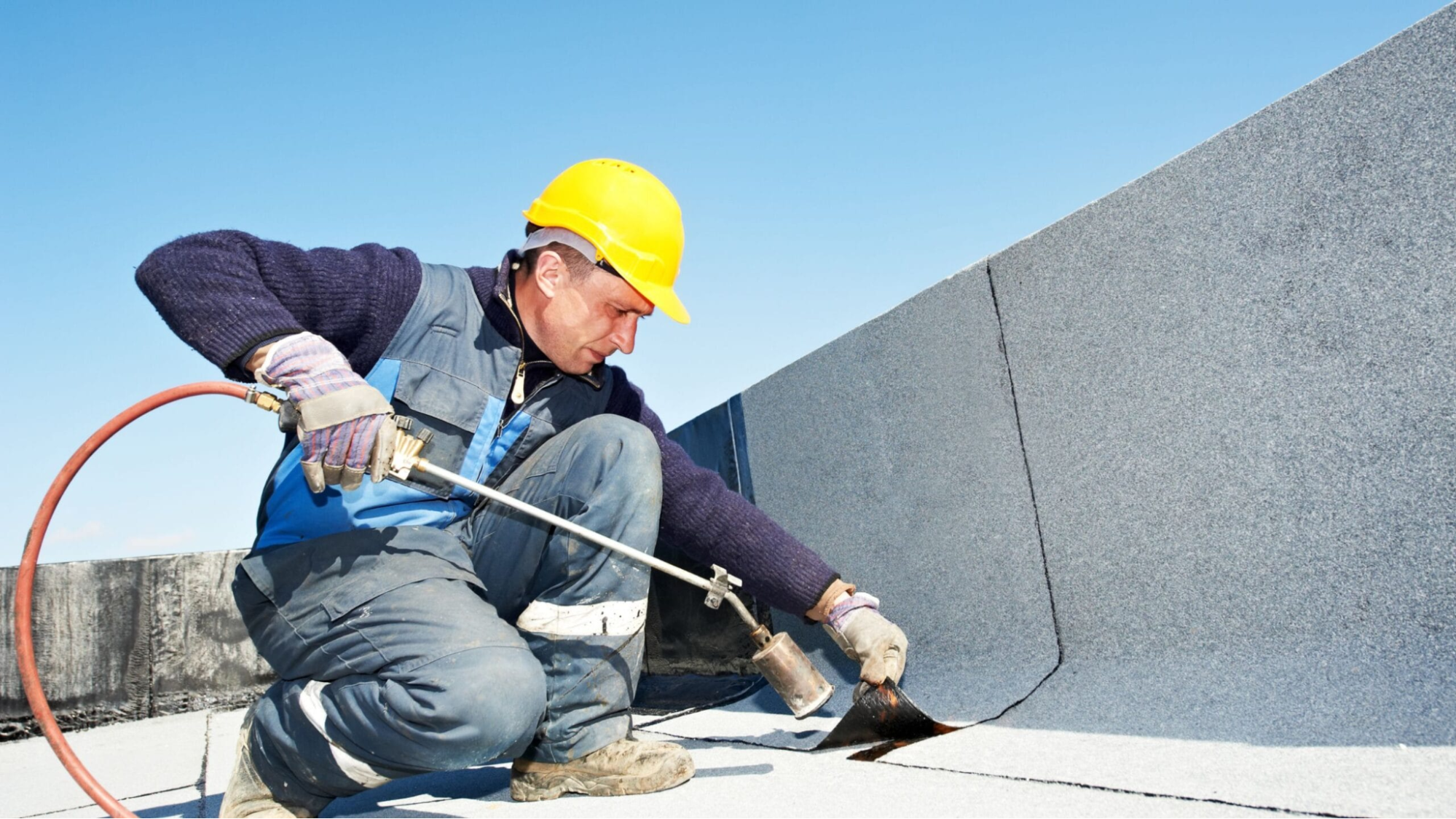
Your commercial roof is one of the most expensive and consequential assets your building has. When something goes wrong, it doesn’t just mean a repair bill. It means potential tenant disruption, interior damage, insurance complications, and lost time that no one has to spare. Choosing the right commercial roofing contractor from the start is how you avoid all of that.
The challenge is that not all roofing companies are built the same, and in Colorado’s active market, building owners and property managers have a lot of options. Some of those options are excellent. Others are not. Knowing how to tell the difference before you sign anything is what this guide is about.
Why Commercial Roofing Contractor Selection Is Different
Hiring a commercial roofer isn’t the same as hiring a residential one. Commercial roofing systems, whether TPO, EPDM, PVC, metal, or modified bitumen, are technically complex and require hands-on experience with flat and low-slope installations, drainage design, rooftop equipment integration, and commercial building codes.
A contractor who does solid residential work but limited commercial experience is a risk on a commercial project. The stakes are higher, the systems are more complex, and the consequences of poor workmanship tend to be more expensive and harder to reverse.
In Colorado specifically, you’re also dealing with a climate that puts commercial roofs through their paces. Hailstorms, heavy snow loads, intense UV exposure at elevation, and freeze-thaw cycles all demand a contractor who understands how these conditions affect material selection, installation details, and long-term performance. Local experience matters here in a way it doesn’t in more forgiving climates.
What to Look for in a Commercial Roofing Contractor
These are the criteria that separate a contractor worth hiring from one that will cost you more in the long run.
Verified Licensing for Your Jurisdiction
Colorado does not have a single statewide roofing license. Licensing is handled at the local level, which means a contractor licensed in Denver isn’t automatically qualified to pull permits in Aurora, Boulder, or Colorado Springs. Before you go any further in your evaluation, confirm that the contractor holds an active license in the specific municipality or county where your building sits. The Colorado Roofing Association maintains a member directory that makes it easy to find and verify licensed commercial contractors operating in your area.
This step is non-negotiable. A contractor who can’t pull a permit in your jurisdiction either isn’t licensed there or has a compliance issue you don’t want to inherit.
Adequate Insurance Coverage
Any commercial roofing contractor you consider should carry both general liability insurance and workers’ compensation coverage, and they should be able to provide current certificates of insurance without hesitation.
For commercial projects in Colorado, general liability coverage of at least $1 million per occurrence is standard. Larger projects or higher-value buildings may warrant $2 to $5 million in umbrella or excess coverage. Workers’ compensation protects you from liability if a worker is injured on your property, which is a real risk in roofing.
Ask for the certificates, verify the policy dates are current, and confirm that the coverage limits are appropriate for the scope of your project.
Demonstrated Commercial Experience
Ask specifically about their commercial roofing work. How many years have they been doing it? What types of systems do they install regularly? Can they provide references from commercial projects of similar scope and complexity to yours?
A contractor with a strong commercial portfolio will be able to point you to completed projects, provide references from property managers or building owners you can actually call, and speak confidently about the systems and materials they work with. If a company’s commercial experience is thin or hard to verify, keep looking.
Manufacturer Certifications
Top roofing manufacturers offer certification programs for contractors who meet their installation training and quality standards. Certified contractors can offer enhanced warranty coverage that non-certified contractors simply can’t access. For building owners investing in a premium roofing system, that warranty coverage is a significant part of the value.
Ask whether the contractor is certified for the specific system you’re considering and what warranty options that certification unlocks. The National Roofing Contractors Association (NRCA) is a good reference point for understanding industry credentialing standards and what to expect from a qualified commercial roofing professional. If you need help evaluating your system options, our commercial roofing services page is a good starting point.
A Clear, Detailed Written Proposal
Any reputable commercial roofing contractor should provide a written proposal that clearly outlines the scope of work, materials being used (including specific product lines and specifications), labor costs, project timeline, permit responsibilities, and warranty terms.
Vague proposals that lack line-item detail make it difficult to compare bids accurately and can lead to scope disputes mid-project. If a contractor’s proposal is light on specifics, ask for more detail before making any decisions. Under Colorado law, roofing contracts above the insurance deductible amount must be in writing and include specific disclosure language, so a contractor who resists putting things in writing is a red flag on multiple levels.
Local Presence and Accountability
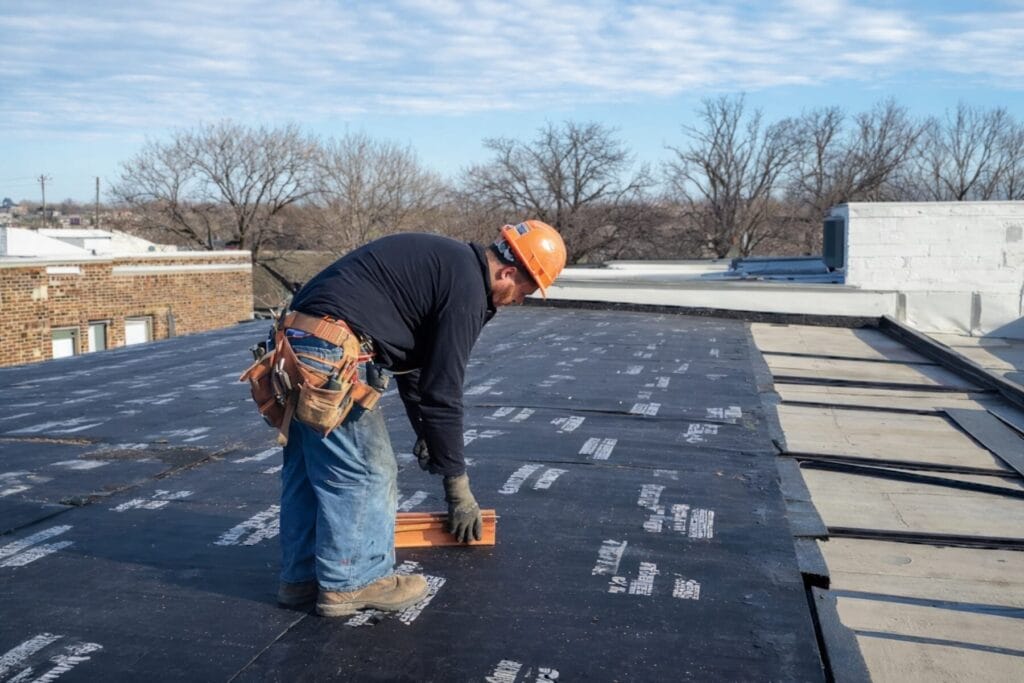
Established local contractors have a reputation to protect in the markets they serve. They know local building departments, local code requirements, and local weather patterns. They have crews that aren’t disappearing after the next storm. And when something needs attention six months after installation, they’re still there to address it.
Be cautious of contractors from outside the region who show up in volume following major hail events. Colorado, and especially the Front Range, attracts out-of-town contractors after significant storm seasons. Some do quality work. Many don’t. The risk of poor workmanship, unresponsive warranty service, or simply not being findable when a problem surfaces is much higher with contractors who don’t have a permanent local presence.
Questions to Ask Before You Hire
A qualified commercial roofing contractor will welcome questions about their credentials and process. Here are the ones worth asking before you commit:
- Are you licensed to pull permits in this specific jurisdiction?
- Can you provide current certificates of general liability and workers’ comp insurance?
- Are you certified by the manufacturer for the system you’re recommending?
- What warranties do you offer, and what’s covered under each?
- Will you be using your own employees or subcontractors, and are subs fully insured?
- Who will be the project supervisor on site, and how is quality controlled?
- Do you offer a preventive maintenance program after installation?
- Can you provide references from commercial projects of similar scope?
Red Flags to Watch For
Beyond the credentials, there are behavioral signals that should give you pause during the contractor evaluation process:
Unusually low bids. When a bid comes in significantly lower than the others, it usually means something is being cut, whether that’s material quality, labor experience, or warranty coverage. Low bids aren’t always a bargain.
Pressure to sign quickly. Legitimate contractors don’t need you to make a decision today. High-pressure tactics, especially in the wake of a storm, are a sign to slow down and be more careful, not less.
Reluctance to pull permits. A contractor who suggests skipping permits to save time or money is asking you to take on liability that belongs to them. Unpermitted work creates problems at inspection, at resale, and in insurance claims.
No written contract or unclear scope. Verbal agreements and vague proposals leave you exposed if something goes wrong. Everything should be in writing before work begins.
Can’t provide insurance documentation. If a contractor can’t produce certificates of insurance immediately upon request, assume they either don’t have adequate coverage or have a lapsed policy.
Use Our Vendor Evaluation Scorecard
If you’re evaluating multiple contractors and want a structured way to compare them, we’ve put together a Commercial Roofing Vendor Evaluation Scorecard that walks you through the key criteria in a side-by-side format. It’s a practical tool for any property manager or building owner who wants to make an objective, well-documented decision rather than relying on gut feel alone.
The Right Contractor Makes All the Difference
The best commercial roofing contractor for your building isn’t necessarily the one with the lowest price or the most aggressive pitch. It’s the one with verified credentials, demonstrated local experience, transparent communication, and a track record of quality work on projects like yours.
Taking the time to evaluate contractors properly before work begins is a straightforward way to protect a significant building asset and avoid the kind of expensive problems that come from hiring the wrong company.
See What Roof Source Brings to the Table
At Roof Source, we’ve built our commercial roofing practice on exactly the kind of accountability, transparency, and local expertise that building owners and property managers in Colorado deserve from a roofing partner. Our team is fully licensed and insured, manufacturer-certified, and committed to clear communication throughout every project.
Explore our commercial roofing services or reach out directly to talk through your building’s needs.
Frequently Asked Questions
How do I choose a good commercial roofing contractor in Colorado?
Start by verifying licensing in your specific jurisdiction, since Colorado has no single statewide roofing license. From there, confirm adequate insurance coverage, ask for commercial references, check manufacturer certifications, and make sure you receive a detailed written proposal before committing to anything.
What’s the difference between a commercial and residential roofing contractor?
Commercial roofing involves different systems, flat and low-slope roof designs, more complex drainage requirements, stricter building codes, and larger project scopes than residential work. A contractor who primarily does residential work may not have the technical experience or equipment to handle a commercial project properly.
How much insurance should a commercial roofing contractor carry?
At minimum, general liability coverage of $1 million per occurrence is standard for commercial roofing in Colorado. Larger projects or higher-value buildings may require $2 to $5 million in umbrella coverage. Workers’ compensation is also required for any contractor with employees working in Colorado.
What does a manufacturer certification mean for my warranty?
Manufacturer certification programs like GAF Master Elite or CertainTeed SELECT ShingleMaster allow certified contractors to offer enhanced warranty coverage that standard contractors can’t. This often means longer coverage periods and more comprehensive protection. For commercial projects, this can be a meaningful part of the total value of the installation.
Should I get multiple bids for a commercial roofing project?
Yes. Getting at least three bids from qualified contractors gives you a meaningful basis for comparison. Make sure each bid covers the same scope of work and materials so you’re actually comparing apples to apples. A significantly lower bid usually signals a difference in materials, labor quality, or warranty terms that won’t be obvious until after the project is complete.
What should a commercial roofing contract include?
At minimum, your contract should include a detailed scope of work, specific material specifications, project timeline, permit responsibilities, payment terms, and warranty information for both labor and materials. Under Colorado law, roofing contracts above the insurance deductible threshold must be in writing and include specific disclosure language.

Published on
July 30, 2026
There are no blocks availables