Insights
How to Protect Your Commercial Roofing System
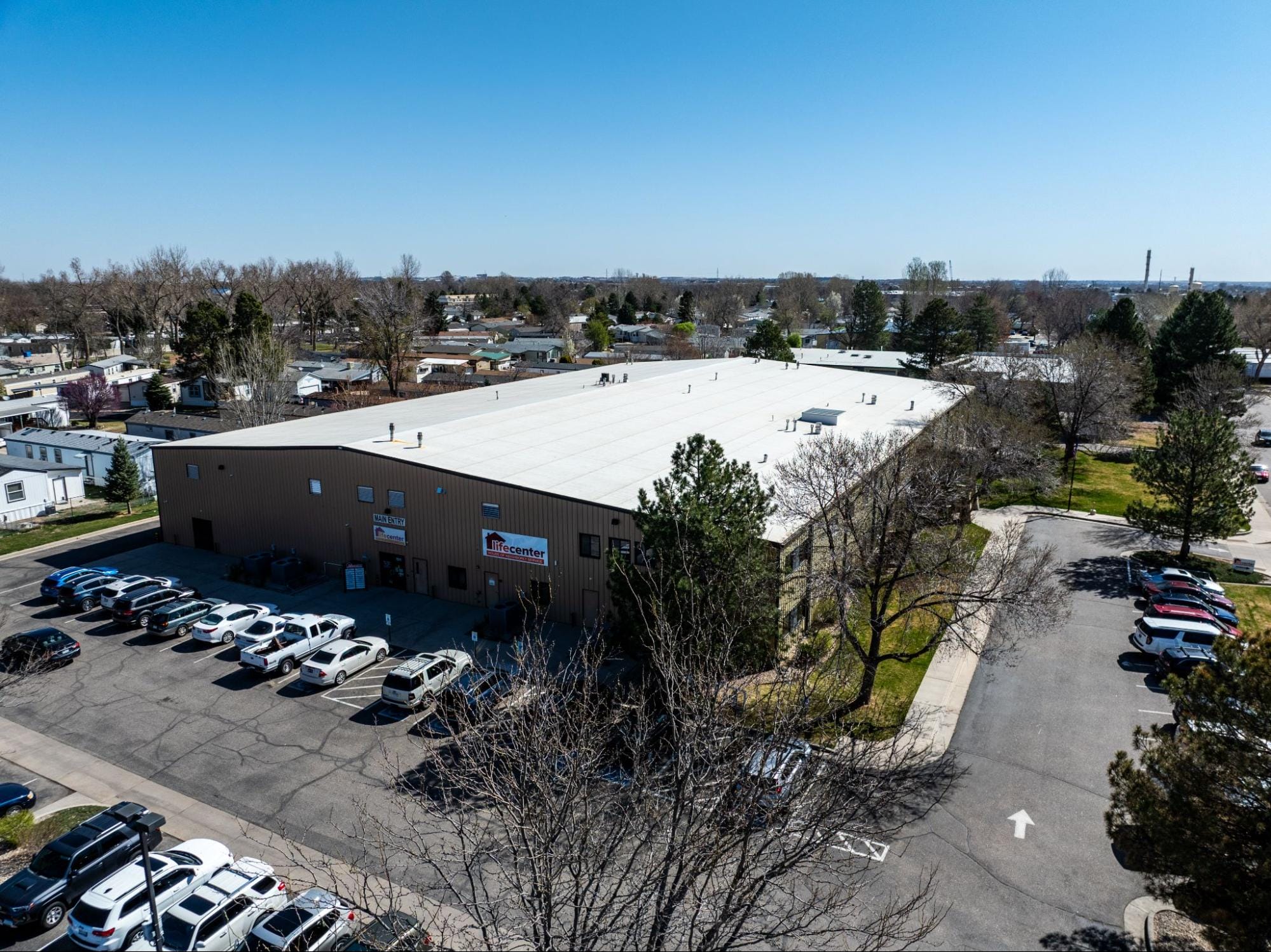
A commercial roof is one of the most significant assets a building owner or property manager is responsible for. It protects your tenants, your inventory, your equipment, and the structural integrity of the entire building. When it’s functioning properly, no one thinks about it. When it fails, everyone knows about it, and fast.
The cost of a full commercial roof replacement runs well into the tens of thousands of dollars, sometimes far beyond that depending on the size and complexity of the system. The good news is that with a consistent, proactive approach to commercial roof maintenance, most of that cost can be pushed well into the future. Well-maintained commercial roofs regularly outlast their projected lifespans. Neglected ones rarely make it to theirs.
This guide covers everything building owners and property managers need to know about protecting a commercial roofing system, from understanding common vulnerabilities to building a maintenance routine that actually works.
Why Commercial Roofs Require a Different Approach
Commercial roofing systems are fundamentally different from residential roofs, and that difference matters when it comes to maintenance.
Most commercial buildings feature low-slope or flat roof designs. Unlike steeply pitched residential roofs that shed water naturally by gravity, flat and low-slope roofs rely entirely on engineered drainage systems to move water off the surface. When those systems get clogged or compromised, water sits. Ponding water is one of the leading causes of commercial roof failure, and it’s almost entirely preventable.
Commercial roofs also tend to see significantly more foot traffic than residential roofs. HVAC technicians, electricians, communications contractors, and facility maintenance crews all access the roof regularly. Every visit is an opportunity for accidental punctures, dropped tools, or improperly sealed penetrations if the right protocols aren’t in place.
Add in the fact that commercial roofing membranes, whether TPO, EPDM, PVC, modified bitumen, or built-up roofing, have specific vulnerabilities related to seam integrity, UV exposure, and thermal expansion and contraction, and it becomes clear that a “check it when something goes wrong” approach simply doesn’t cut it.
In Colorado specifically, commercial roofs face additional pressure from hail, heavy snow loads, intense UV radiation at elevation, and wide temperature swings that stress membranes and flashings over time. A proactive commercial roof maintenance program isn’t optional here. It’s a sound business decision.
The Most Common Commercial Roofing Problems
Understanding what typically goes wrong is the first step toward preventing it. These are the issues that show up most often on commercial roofs and what tends to cause them.
Ponding Water
When water sits on a flat or low-slope roof for more than 48 hours after rainfall, it’s a problem. Ponding accelerates membrane deterioration, increases the risk of leaks, adds structural load to the roof deck, and can attract algae and biological growth that breaks down roofing materials over time.
Ponding is almost always a drainage issue, whether from clogged drains or scuppers, improper roof slope, or sagging caused by structural deflection. Regular drain clearing and periodic inspection of the roof’s slope and drainage paths are the primary defenses.
Membrane Punctures and Tears
The roofing membrane is the waterproofing layer that protects everything below it. Once it’s compromised, water has a path in. Punctures can come from foot traffic, dropped tools, windblown debris, hail impact, or improperly installed equipment.
Even small punctures that don’t immediately cause a visible leak will allow moisture to work its way into the insulation and decking over time, leading to much larger and more expensive repairs. Catching and sealing punctures early is far less costly than addressing the water damage they eventually cause.
Seam and Flashing Failures
Seams, where roofing membrane sections are joined, and flashings, the metal or membrane material that seals transitions around penetrations, are the most common points of failure on commercial roofs. They’re subject to constant movement from thermal expansion and contraction, and over time the bonds can weaken, crack, or separate.
Areas around HVAC units, roof drains, vents, curbs, and parapet walls are particularly vulnerable. Routine inspection of these transition points is one of the highest-value tasks in any commercial roof maintenance program.
Deteriorated or Missing Sealant
Sealant at pipe penetrations, termination bars, counter flashings, and other vulnerable details degrades over time due to UV exposure and thermal cycling. When sealant fails, water finds its way in at precisely the points that were designed to keep it out.
Proactive sealant replacement every two to three years at high-risk areas is a relatively minor expense that protects the integrity of the entire system.
Rooftop Equipment Issues
HVAC units, exhaust fans, satellite dishes, and other rooftop equipment create penetrations in the membrane that require careful waterproofing. Over time, the seals around this equipment can fail, especially if the equipment vibrates, shifts, or is serviced by contractors unfamiliar with roofing systems.
Abandoned or decommissioned equipment is a frequently overlooked risk. Old curbs and penetrations from removed equipment need to be properly closed and waterproofed, not just ignored. An open or poorly sealed penetration from a piece of equipment that was removed five years ago is just as capable of causing a leak as a fresh one.
UV and Heat Damage
In Colorado, high-altitude UV exposure accelerates the degradation of roofing materials faster than at lower elevations. Membranes can become brittle, lose flexibility, and develop surface cracks that compromise their waterproofing capability over time. Reflective roof coatings can help extend material life and improve energy efficiency by reducing heat buildup.
How to Protect Your Commercial Roofing System: Core Maintenance Practices
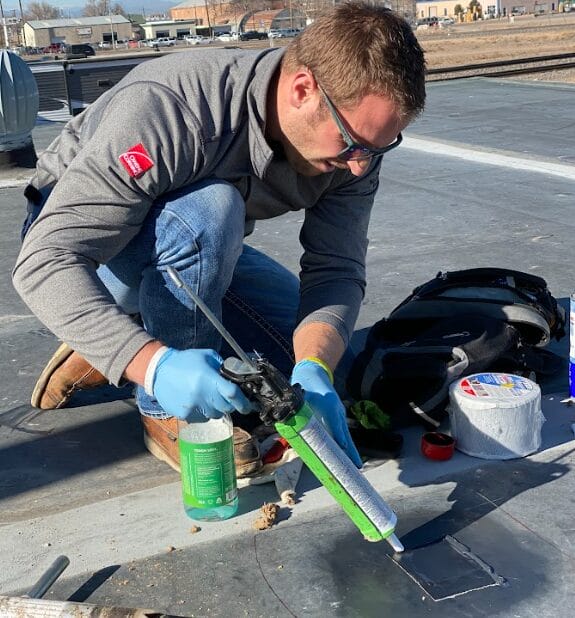
Knowing what can go wrong is only half the equation. Here are the maintenance practices that actually keep a commercial roofing system in good shape year after year.
1. Schedule Bi-Annual Professional Inspections
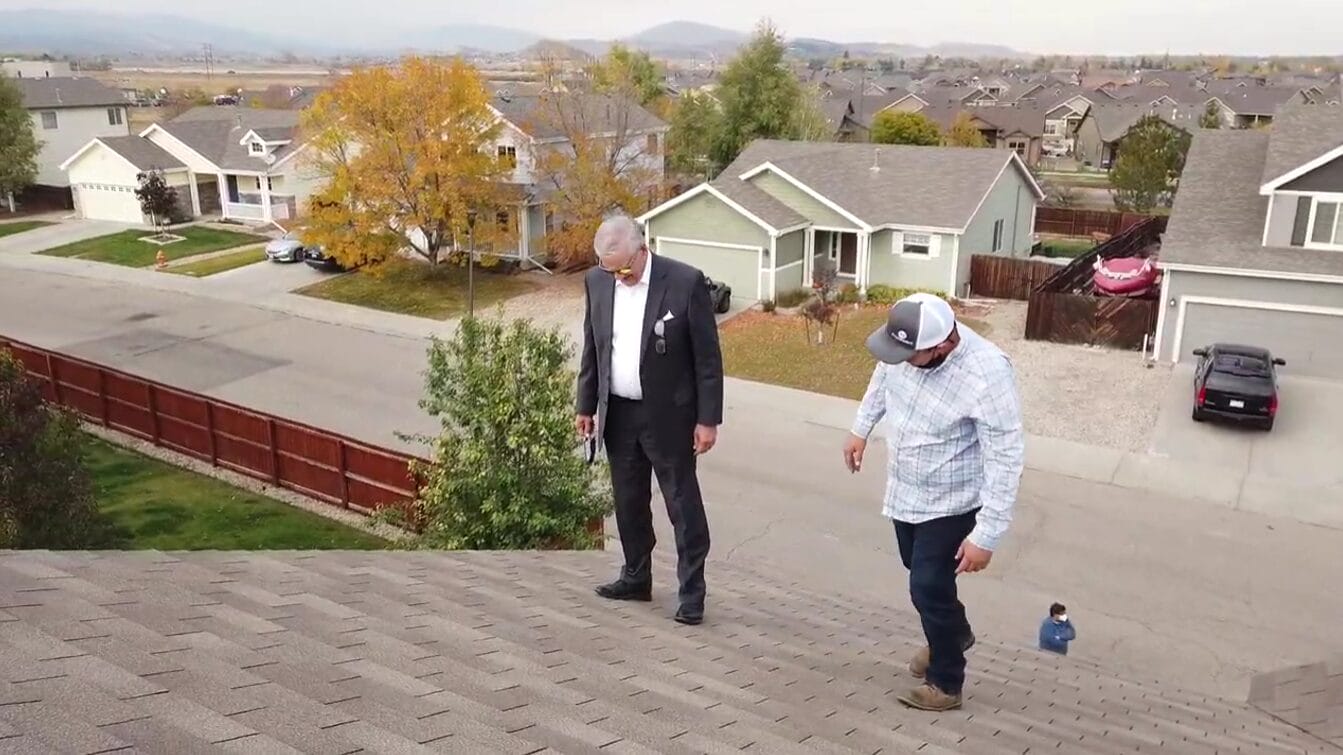
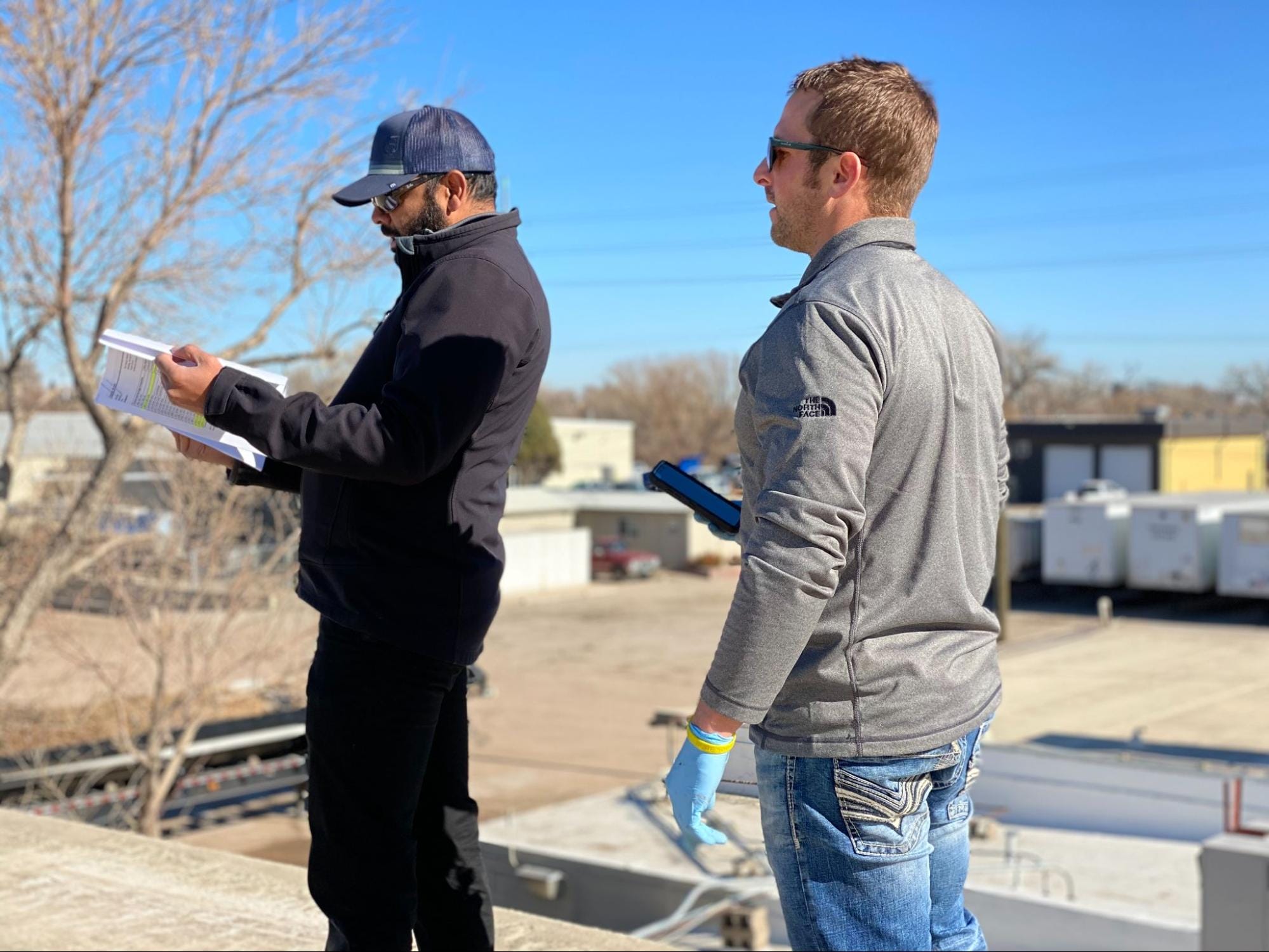
The single most impactful thing a building owner or property manager can do is commit to professional roof inspections twice a year, typically in spring and fall. These inspections should be conducted by a licensed commercial roofing contractor who can get on the roof, document conditions with photographs, and identify issues that aren’t visible from the ground or interior.
A thorough commercial roof inspection covers:
- The full membrane surface for punctures, blistering, cracking, or open seams
- All flashings and transition details around penetrations, curbs, and perimeter edges
- Drainage systems including drains, scuppers, gutters, and downspouts
- Rooftop equipment and the condition of seals around each penetration
- Sealant condition at vulnerable areas
- Signs of ponding or drainage issues
- The condition of any walkway pads or protection boards
Following each inspection, you should receive a written report with photos, a summary of current conditions, any repairs performed on the spot, and recommendations for upcoming capital expenditures. This documentation is also essential for maintaining your manufacturer’s warranty and supporting any future insurance claims.
2. Keep Drainage Systems Clear
Clogged drains are behind a disproportionate share of commercial roof failures. Leaves, debris, dirt, and even plant growth can block drains and scuppers, causing water to back up across the roof surface. In Colorado winters, debris-clogged drains can contribute to ice dam formation and freeze-thaw damage.
Clearing drains should happen at minimum twice a year, and more frequently for buildings surrounded by trees or in areas with heavy debris accumulation. This is a task that can often be handled by building maintenance staff between professional inspections, but your roofing contractor should also verify drainage during each visit.
3. Manage Roof Access and Traffic
Every time someone goes on your roof, there’s potential for damage. That doesn’t mean access should be restricted entirely, but it does mean it should be managed.
Best practices for rooftop traffic management include:
- Installing walk pads or walkway protection boards on routes that receive regular foot traffic, particularly paths from access points to HVAC equipment
- Requiring all contractors who access the roof to be accompanied by or coordinate with a roofing professional when their work involves penetrations, equipment installation, or work near the membrane
- Inspecting the roof after any significant work is performed by mechanical, electrical, or communications contractors
- Maintaining a roof access log so you know who has been on the roof and when
A non-roofing contractor who drills through the membrane for a conduit run without proper waterproofing creates a leak waiting to happen, and it may void your manufacturer’s warranty in the process.
4. Address Minor Issues Before They Become Major Ones
One of the most important principles in commercial roof maintenance is the cost curve: small problems are cheap to fix, and the same problems left unaddressed become exponentially more expensive over time.
A small seam separation caught during a routine inspection might take a technician twenty minutes to repair. The same issue discovered after two winters of water infiltration into the insulation and deck is a significant removal and replacement project.
When your inspection report identifies minor issues, act on them promptly. The repair cost for a proactively addressed problem is almost always a fraction of what it becomes if ignored.
5. Protect Your Manufacturer’s Warranty
Most commercial roofing manufacturers require documented proof of regular professional maintenance as a condition of keeping their warranty valid. If a warranty claim becomes necessary and you can’t demonstrate that the roof received routine inspections and care, you may find yourself without coverage at the worst possible time.
Keep records of every inspection, every repair, and every contractor who accessed the roof. Your roofing contractor should be providing you with documentation after each visit. File it and keep it organized. That paper trail is worth its weight if a warranty situation ever arises.
6. Consider Roof Coatings for Extended Protection
Roof coatings are a cost-effective option for commercial building owners looking to extend the life of an aging but structurally sound roofing system without the expense of a full tear-off and replacement. Coatings provide a seamless, waterproof layer over the existing membrane, reflect UV radiation, and can meaningfully reduce roof surface temperatures in summer.
In Colorado, where UV exposure is elevated due to altitude and reflectivity matters for energy costs during warm months, coatings are worth considering as part of a long-term asset management strategy. A professional roof assessment will tell you whether your system is a good candidate.
Building a Commercial Roof Maintenance Program
Rather than treating roof care as a series of reactive responses, the most effective approach is to establish a structured maintenance program that runs on a predictable schedule. Here’s what a solid commercial roof maintenance calendar looks like:
| Task | Frequency |
|---|---|
| Professional roof inspection | Twice per year (spring and fall) |
| Drain and scupper clearing | Twice per year, plus after major storms |
| Post-storm visual check | After every significant hail or wind event |
| Roof access log review | Ongoing |
| Post-maintenance contractor inspection | After any rooftop work by other trades |
| Sealant replacement at penetrations | Every 2 to 3 years |
| Coating evaluation | Every 5 to 7 years, or as part of strategic planning |
| Full roof condition assessment | Every 3 to 5 years, or before lease renewals |
Having this schedule in writing, with calendar reminders set and a designated point of contact at your roofing company, removes the guesswork and ensures nothing falls through the cracks.
Signs Your Commercial Roof May Need Immediate Attention
Even with a solid maintenance program in place, issues can develop between scheduled inspections. Building staff should be trained to watch for and report the following:
- Water stains, discoloration, or moisture on interior ceilings or walls
- Bubbling, blistering, or visible separation on the roof membrane
- Standing water remaining on the roof more than 48 hours after rain
- Visible damage to flashings, edge metal, or penetration seals
- Unusual odors in the building, which can indicate hidden moisture and mold
- Increased energy costs without explanation, which may signal compromised insulation from moisture infiltration
Any of these should prompt a call to your roofing contractor for an unscheduled inspection rather than waiting for the next planned visit.
What to Look for in a Commercial Roof Maintenance Partner
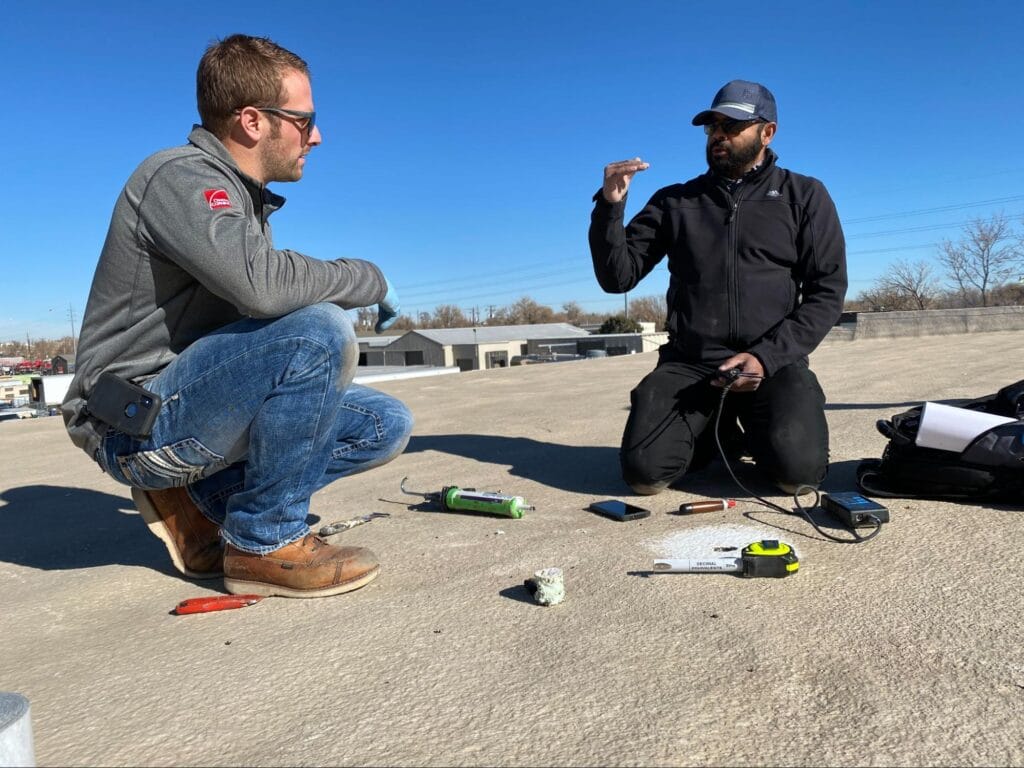
Not every roofing company has the experience and systems in place to provide quality commercial roof maintenance services. When evaluating a contractor, look for:
- Demonstrated experience with your specific roof system type (TPO, EPDM, modified bitumen, metal, etc.)
- Documented inspection reports with photographs provided after every visit
- Clear communication about findings, recommended repairs, and timeline
- Familiarity with manufacturer warranty requirements for your system
- Licensing, insurance, and workers’ compensation coverage
- Local presence and accountability, not a regional contractor passing through after a storm
A good commercial roofing partner functions less like a vendor and more like an asset manager for your building’s most critical component.
Protect Your Investment with Roof Source
At Roof Source, we provide comprehensive commercial roof maintenance services for building owners and property managers across Colorado. From routine bi-annual inspections to roof coatings, repairs, and full replacements, our team has the experience and systems to keep your roofing asset performing at its best.
If it’s been a while since your last professional inspection, or if you don’t currently have a structured maintenance plan in place, now is a good time to change that.
Schedule a Commercial Roof Inspection Today!
Frequently Asked Questions
How often should a commercial roof be inspected?
At minimum, twice a year, typically in spring and fall. In addition to scheduled inspections, you should have the roof checked after any significant storm event and after any work performed on the roof by other contractors.
What is included in commercial roof maintenance services?
A thorough commercial roof maintenance visit includes a full membrane inspection, drainage system check and clearing, flashing and seam examination, sealant assessment, equipment penetration review, minor repairs as needed, and a written report with photographs.
How long does a commercial roof last with proper maintenance?
Most commercial roofing systems are designed to last 15 to 25 years depending on the material. With consistent professional maintenance, it’s realistic to extend that lifespan significantly and in some cases push a well-maintained system well beyond its original warranty period.
Does roof maintenance affect my warranty?
Yes, significantly. Most commercial roofing manufacturer warranties require documented proof of regular professional maintenance. Failing to maintain maintenance records can void your warranty and leave you without coverage when you need it most.
What is ponding water and why does it matter?
Ponding water is standing water that remains on a flat or low-slope roof more than 48 hours after rainfall. It accelerates membrane deterioration, increases leak risk, adds structural load, and can promote biological growth. It’s usually caused by clogged drains, inadequate slope, or structural deflection, all of which can be addressed with proper maintenance.
Is a roof coating a good option for my commercial building?
Roof coatings can be an excellent cost-effective alternative to full replacement for roofs that are aging but structurally sound. They add a seamless waterproof layer, reflect UV radiation, and can extend roof life by several years. A professional inspection will determine whether your system is a good candidate.

Published on
March 26, 2026
There are no blocks availables