Insights
What Are the Latest Trends in Commercial Roofing?
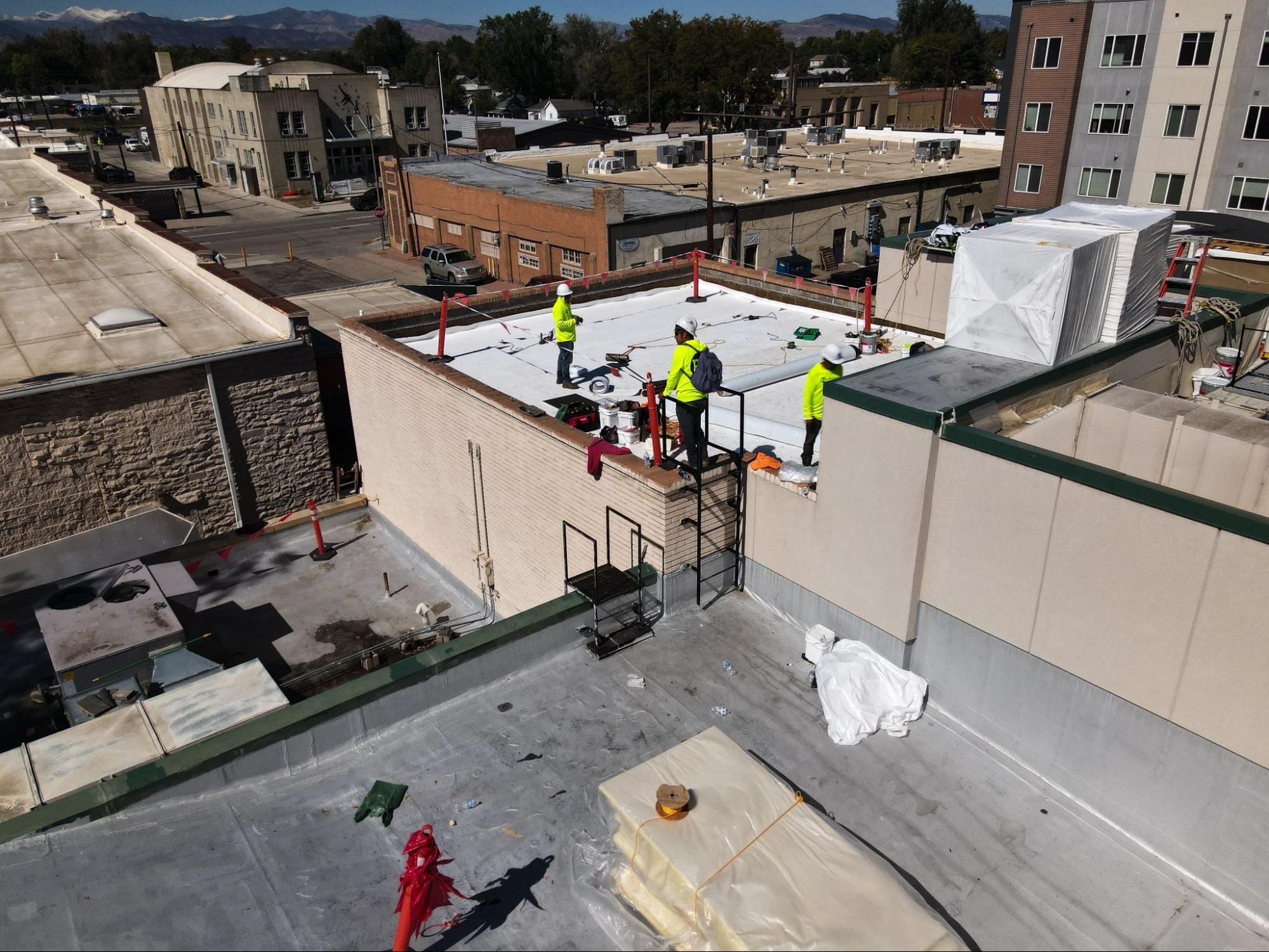
The commercial roofing industry doesn’t stand still. Materials improve and technologies evolve. The way building owners and property managers think about their roofs as long-term assets continues to shift. What was considered standard practice five years ago looks different today. What’s emerging now will shape how commercial buildings are built, maintained, and operated for the next decade.
For building owners and property managers in Colorado, keeping an eye on commercial roofing industry trends isn’t just interesting. It’s practical. The right roofing decisions, made at the right time, can extend asset life, lower operating costs, improve sustainability performance, and reduce the kind of unexpected expenses that derail facilities budgets.
Here’s a look at the trends shaping commercial roofing right now and what they mean for your building.
1. Sustainability Is Moving from a Preference to an Expectation
Sustainable commercial roofing trends have accelerated significantly in recent years, driven by a combination of rising energy costs, tenant expectations, green building certification requirements, and a broader push toward reducing the environmental footprint of commercial real estate.
What this looks like in practice:
Cool roofing and reflective membranes. Reflective TPO and PVC membranes, along with light-colored coatings, reduce heat absorption and lower cooling demand during warm months. In Colorado, where high-altitude sun intensity is significant, reflective roofing can have a meaningful impact on energy consumption and interior comfort.
Roof coatings as a sustainable alternative. Restoring an existing roof with a fluid-applied coating rather than replacing it entirely keeps tons of material out of landfills and extends the useful life of the system. This approach is gaining traction among property managers looking to hit sustainability targets without the full capital expense of a tear-off and replacement.
Green roofs. Vegetative roofing systems, which use layers of growing media and plants installed over a waterproofing membrane, are showing up on more urban commercial buildings. They provide insulation benefits, manage stormwater, reduce urban heat island effect, and can contribute points toward LEED and other green building certifications. While not appropriate for every building or climate, green roofs are an increasingly viable option for the right project.
Solar integration. Solar panels installed on commercial rooftops are becoming a mainstream rather than niche consideration. In Colorado, where solar resources are strong year-round and state incentives support adoption, building owners are evaluating their rooftops as potential energy-generating assets. Working with a roofing contractor who understands how to properly integrate solar without compromising the roof system is essential for this to work well.
2. Roof Restoration Is Replacing Premature Replacement
One of the most significant shifts in commercial roofing is the growing preference for restoration over replacement. For decades, the default response to an aging or leaking commercial roof was to tear it off and start over. That’s changing.
When a commercial roofing system is structurally sound but showing age-related deterioration at the surface level, a professional restoration using fluid-applied coatings or membrane overlays can add 10 to 15 years of service life at a fraction of the cost of full replacement. It also avoids the disruption of a complete tear-off and, as noted above, keeps significant material waste out of landfills.
For property managers responsible for large portfolios, restoration programs are increasingly being built into long-term asset management plans. Rather than waiting for systems to fail, they’re proactively restoring roofs that are still structurally viable, effectively resetting the maintenance clock without triggering a major capital project.
The key is a thorough professional assessment upfront. Not every roof is a good candidate for restoration. If there’s significant moisture in the insulation, structural damage, or widespread membrane failure, replacement is still the right call. But for systems that are aging but intact, restoration is worth evaluating before defaulting to replacement.
3. Technology Is Changing How Roofs Are Inspected and Managed

Commercial roofing industry trends increasingly involve technology, and the inspection and management side of things is where building owners feel this most directly.
Drone inspections. Drones equipped with high-resolution cameras and thermal imaging are making commercial roof inspections faster, safer, and more thorough. Thermal imaging in particular can detect moisture trapped beneath a roof membrane that isn’t yet visible as a surface defect or interior leak, allowing for targeted repairs before a problem becomes serious. These tools also produce detailed photographic documentation that strengthens maintenance records and supports insurance or warranty claims.
Moisture scanning. Electronic leak detection and non-destructive moisture scanning technologies allow contractors to map wet insulation across an entire roof without removing any material. This helps building owners make informed decisions about whether restoration or replacement makes more sense for a given area of the roof.
Roof asset management software. For property managers overseeing multiple buildings, digital platforms that track inspection history, maintenance records, remaining useful life estimates, and upcoming capital needs are becoming standard practice. This shift toward data-driven roof management allows for better budget forecasting and reduces the likelihood of costly reactive repairs.
AI-powered planning tools. Some commercial roofing contractors are beginning to use AI-assisted platforms that analyze roof condition data, historical weather patterns, and material performance data to produce forward-looking maintenance recommendations. These tools are still early in their adoption but represent the direction the industry is heading.
4. Single-Ply Membranes Continue to Dominate, With Improvements
TPO (Thermoplastic Polyolefin) remains the most widely used commercial roofing membrane in the industry, and that dominance isn’t going away. What is changing is the quality and performance of the products themselves.
Manufacturers have invested significantly in improving membrane thickness, seam strength, UV resistance, and long-term flexibility. Products that might have degraded or required re-seaming after 10 to 12 years on older formulations are now performing well into the 20-year range with proper maintenance.
PVC membranes are also gaining ground, particularly in applications where chemical resistance is a factor, and for buildings seeking enhanced fire resistance. EPDM, while losing some market share to TPO and PVC, remains a cost-effective option for certain low-slope applications and continues to have strong performance credentials in cold climates where flexibility at low temperatures matters.
For Colorado building owners, the choice between single-ply membrane systems should take into account freeze-thaw cycling, UV exposure, hail risk, and whether the roof sees heavy foot traffic from rooftop equipment maintenance. A knowledgeable commercial roofing contractor can help match the right system to the right application.
5. Metal Roofing Is Growing in the Commercial Sector
Metal roofing has long been a staple in certain commercial segments, particularly industrial and agricultural buildings. What’s newer is its growing adoption in a broader range of commercial applications, from retail centers and office campuses to multi-family housing and institutional buildings.
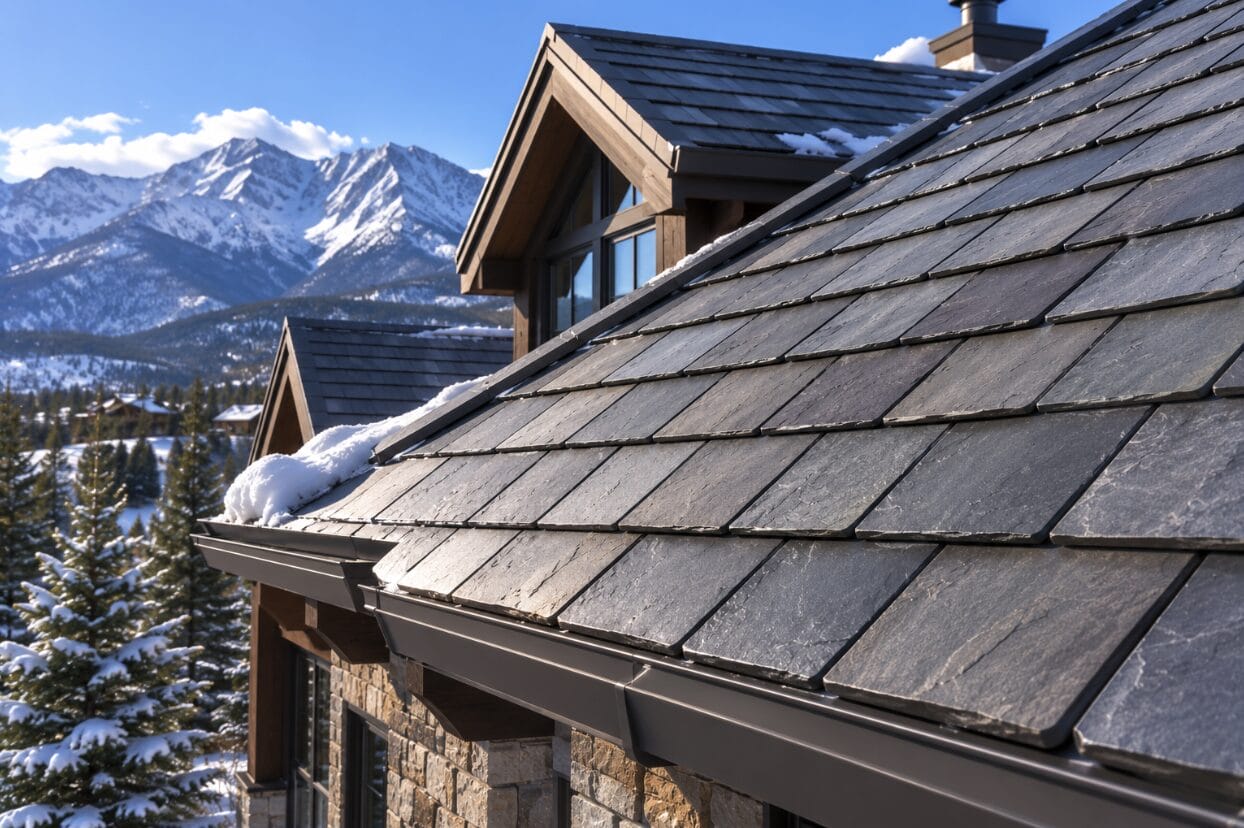
The drivers are straightforward. Standing seam metal roofing offers exceptional longevity, low maintenance requirements, strong resistance to wind uplift and impact, and a clean contemporary aesthetic that pairs well with modern commercial architecture. In Colorado, metal’s ability to shed snow quickly and its fire resistance make it a particularly practical choice for certain applications.
Stone-coated steel and metal panel systems are also showing up more frequently on buildings where the aesthetic needs to complement a specific architectural vision without sacrificing the durability advantages of metal.
The tradeoff is upfront cost. Metal roofing systems carry a higher initial investment than single-ply membranes. But when measured over a 40 to 50-year lifecycle with minimal maintenance, the total cost of ownership often compares favorably.
6. Proactive Maintenance Programs Are Becoming Standard Practice
Perhaps the most important commercial roofing trend for building owners isn’t a material or technology. It’s a shift in mindset from reactive to proactive.
Historically, commercial roofing maintenance was an afterthought until something leaked. The cost of that approach, in emergency repairs, interior damage, tenant disruption, and premature system failure, has pushed more property managers toward structured preventive maintenance programs.
A well-designed commercial roof maintenance program includes bi-annual professional inspections, drain clearing, seam and flashing checks, post-storm assessments, and minor repair work addressed before it escalates. The documentation generated by these programs also protects manufacturer warranties, which typically require evidence of regular professional maintenance to remain valid.
The ROI on proactive maintenance is well-documented. Roofs that receive regular professional care consistently outlast neglected systems, sometimes by a decade or more. For a building owner with a $200,000 to $400,000 roofing asset, extending that asset’s life by even a few years through relatively modest annual maintenance spending is a straightforward financial win.
7. Impact Resistance Is a Higher Priority Than Ever
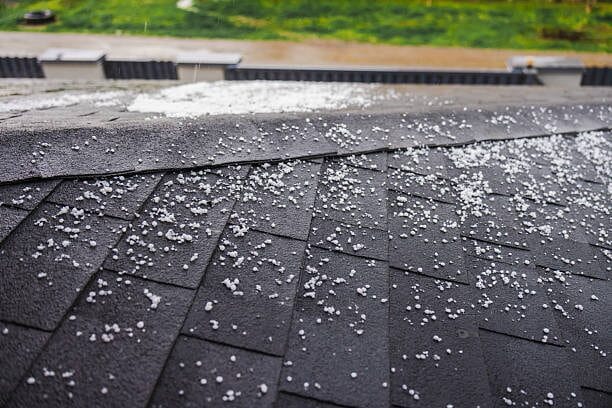
Colorado’s position in the heart of hail country is well-established, and it’s influencing how commercial building owners think about roofing materials. Impact-resistant membranes and metal systems with documented hail resistance ratings are getting more consideration at the specification stage, not just as an afterthought following a claim.
Impact-resistant TPO and EPDM membranes, as well as standing seam metal roofing, can significantly reduce the frequency and cost of storm-related repairs and may qualify buildings for reduced insurance premiums, depending on the carrier. For properties along the Front Range and in areas with documented hail exposure, this is an increasingly practical consideration during any roofing decision.
8. Energy Codes and Building Performance Standards Are Tightening
Building energy codes continue to evolve, and roofing is directly in the crosshairs. Updated codes in many Colorado municipalities are raising minimum insulation requirements for commercial roofs, pushing R-values higher and increasing scrutiny of thermal bridging and air sealing at the roof assembly level.
For building owners planning a roof replacement or significant renovation, understanding the current code requirements in your jurisdiction before starting the project is essential. Work that doesn’t meet current code won’t pass inspection, and retroactively correcting code compliance issues mid-project is expensive.
A reputable commercial roofing contractor will pull permits, stay current on local code requirements, and design the roof assembly to meet or exceed those requirements. This is one more reason why working with an established, licensed contractor matters.
What These Trends Mean for Colorado Building Owners
The through-line across all of these commercial roofing trends is a shift toward longer thinking. Longer planning horizons. Longer asset lifecycles. More intentional decision-making rather than reactive problem-solving.
For Colorado building owners and property managers, that means:
- Evaluating restoration options before defaulting to replacement
- Asking about impact-resistant materials during any re-roofing project
- Considering energy performance as part of the roofing specification
- Establishing a proactive maintenance program if one isn’t already in place
- Working with a contractor who can help you think about your roof as a long-term asset, not just a near-term repair
Stay Ahead with Roof Source
At Roof Source, we keep up with the latest commercial roofing industry trends so our clients don’t have to. Whether you’re evaluating a restoration, planning a replacement, or looking to establish a proactive maintenance program, our team brings the knowledge and local experience to help you make the right call for your building.
Schedule a Commercial Roof Inspection Today!
Frequently Asked Questions
What are the latest trends in commercial roofing?
The major trends shaping commercial roofing right now include a growing emphasis on sustainable materials and energy efficiency, the rise of roof restoration as an alternative to premature replacement, greater use of technology in inspections and asset management, continued dominance of single-ply membranes with improved performance characteristics, growing adoption of metal roofing, and a broader industry shift toward proactive maintenance programs.
What are the most sustainable commercial roofing options?
Reflective single-ply membranes (TPO and PVC), fluid-applied roof coatings, green roofs, and metal roofing systems are among the most sustainable options currently available. Roof restoration is also considered a sustainable choice because it extends existing system life and reduces material waste compared to full tear-off and replacement.
Is TPO still the most popular commercial roofing material?
Yes, TPO remains the leading commercial roofing membrane by market share. It offers a strong balance of performance, cost, and energy efficiency. However, PVC is gaining ground in specific applications, and metal roofing is seeing increased adoption in a broader range of commercial building types.
How is technology changing commercial roofing?
Drones with thermal imaging, electronic leak detection, non-destructive moisture scanning, and digital roof asset management platforms are all making inspections more thorough and maintenance planning more data-driven. These tools allow building owners to catch problems earlier, document conditions more accurately, and make more informed decisions about repair versus restoration versus replacement.
What roofing materials are best for Colorado commercial buildings?
Colorado’s climate, with high hail frequency, significant UV exposure at altitude, heavy snow loads in mountain regions, and wide temperature swings, favors materials with strong impact resistance, UV stability, and flexibility across temperature ranges. Impact-resistant TPO and EPDM membranes, standing seam metal roofing, and modified bitumen systems with appropriate insulation assemblies are among the most frequently specified options for Colorado commercial buildings.
How often should commercial roofs be inspected?
At minimum, twice per year, typically in spring and fall. Additional inspections should follow any significant hail or wind event. Documented inspection records are also important for maintaining manufacturer warranty coverage on most commercial roofing systems.

Published on
April 3, 2026
There are no blocks availables