Insights
TPO Roofing: The Complete Commercial Guide
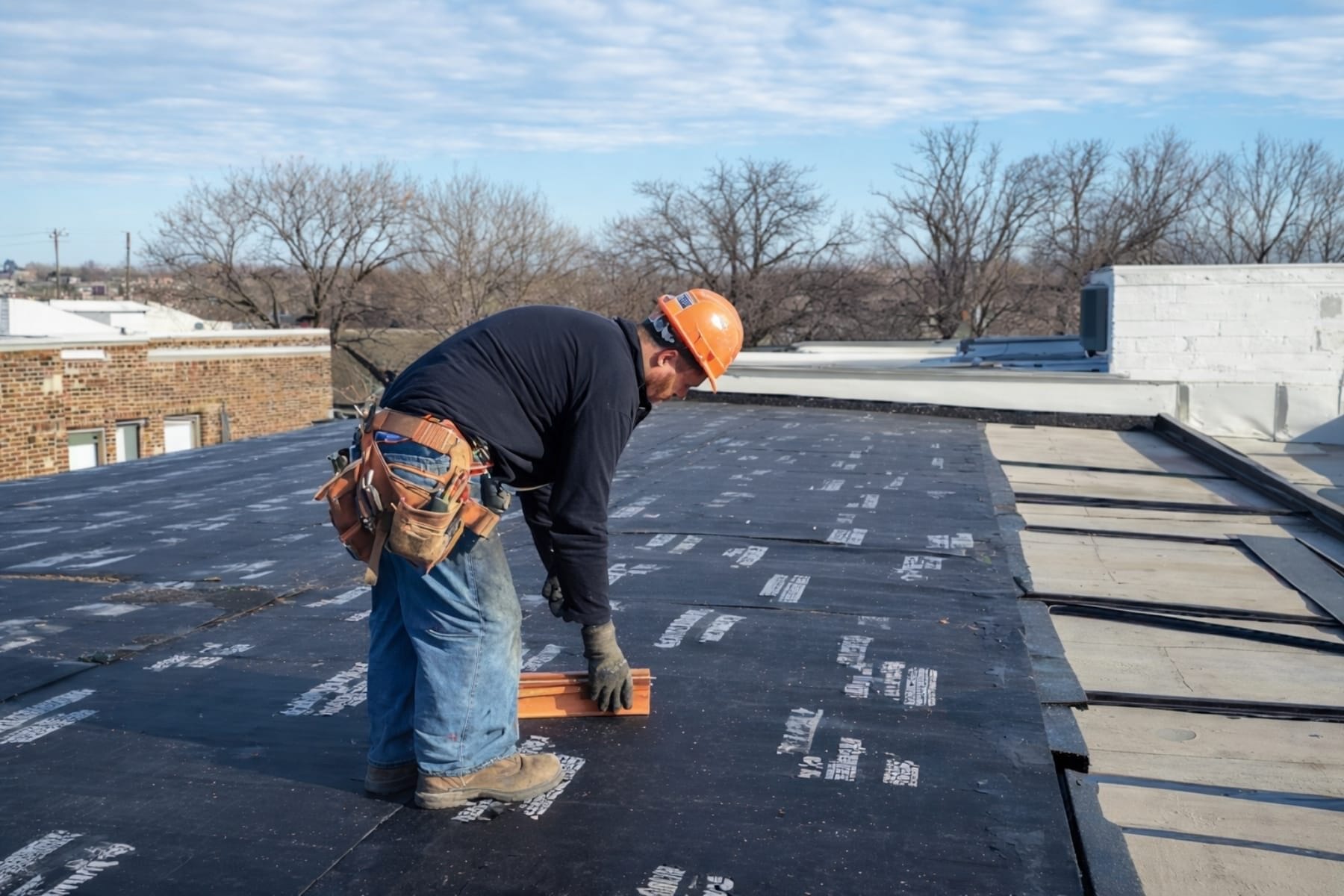
If you manage or own a commercial building with a flat or low-slope roof, chances are you’ve heard about TPO. It’s the most widely used commercial roofing membrane in the country, and for good reason. It offers a strong combination of performance, energy efficiency, and cost-effectiveness that’s hard to beat in most commercial applications.
But “widely used” doesn’t mean it’s right for every building or every situation. Like any roofing system, TPO has specific strengths, real limitations, and details that matter a lot during installation. This guide covers everything you need to know about TPO roofing, from what it is and how it’s installed to cost, colors, warranty, common problems, and how it performs in Colorado’s demanding climate.
What Is TPO Roofing?
TPO stands for Thermoplastic Polyolefin. It’s a single-ply roofing membrane made from a blend of polypropylene and ethylene-propylene rubber, reinforced with a polyester scrim for added strength. The result is a flexible, heat-weldable sheet membrane that can be installed across large flat or low-slope roof surfaces with relatively few seams.
TPO membranes are manufactured in rolls and come in a standard white finish, though other colors are available. The white surface is one of TPO’s most practical features. It reflects sunlight rather than absorbing it, which helps reduce heat buildup in the building and lowers cooling demand during warm months. White TPO membranes commonly meet ENERGY STAR cool roof requirements, making them a practical choice for building owners focused on energy performance.
TPO first gained traction in the commercial roofing market in the 1990s and has grown steadily ever since. It now accounts for a significant share of the commercial roofing market, driven largely by its competitive price point relative to PVC and its energy performance advantages over EPDM.
TPO Membrane Thickness: What You Need to Know
One of the first decisions in any TPO installation is membrane thickness, and it’s one that building owners should pay attention to. TPO membranes are typically available in three standard thicknesses:
- 45 mil is the entry-level option and the thinnest commonly used membrane. It meets minimum performance standards but offers the least durability and puncture resistance.
- 60 mil is the most widely specified thickness for commercial installations. It provides a meaningful improvement in durability, puncture resistance, and seam strength over 45 mil at a modest cost increase.
- 80 mil is the premium option. It offers the highest durability, the best resistance to foot traffic and puncture damage, and typically qualifies for the most comprehensive manufacturer warranties.
For most Colorado commercial buildings, 60 mil is the practical baseline. Buildings with high rooftop traffic from HVAC or other service technicians, or buildings in high-hail-exposure areas, should give serious consideration to 80 mil for the added protection.
Thicker membranes also tend to carry longer and more comprehensive warranties, which factors into total cost of ownership over the life of the system. Carlisle SynTec, one of the leading commercial TPO manufacturers, offers a useful reference point for understanding how thickness tiers correspond to warranty and performance specifications across the industry.
TPO Roofing Installation
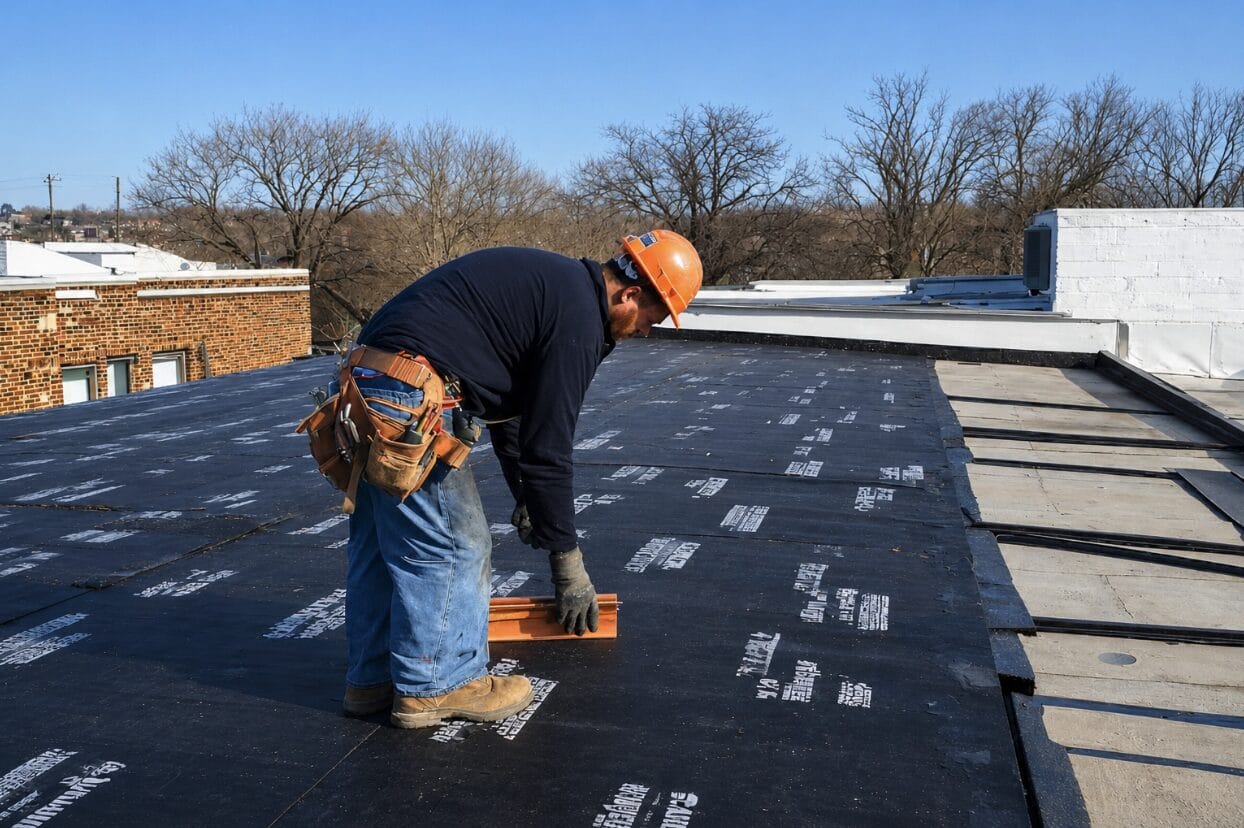
TPO installation involves several key steps, and the quality of the installation matters as much as the quality of the membrane itself. A top-tier membrane installed poorly will underperform. A standard membrane installed well will last.
The Installation Process
- Tear-off and substrate preparation: The existing roofing material is typically removed down to the roof deck, which is then inspected for soft spots, rot, or damage. Any compromised decking is replaced before proceeding.
- Insulation installation: TPO membranes are not insulated on their own, so a separate insulation layer, typically polyisocyanurate (polyiso), is installed over the roof deck before the membrane goes down. Insulation thickness is specified to meet local energy code requirements, which in Colorado have been trending upward in recent years.
- Cover board installation: A cover board, typically high-density polyiso or gypsum, is often installed over the insulation layer to provide a smooth, stable surface for the membrane and improve puncture resistance.
- Membrane attachment: There are three primary attachment methods for TPO:
- Mechanically attached uses screws and plates to fasten the membrane to the substrate at the laps. It’s the most common method and works well in most applications.
- Fully adhered uses bonding adhesive to attach the membrane across its full surface area. It provides stronger wind uplift resistance and is often preferred in high-wind areas or on buildings where aesthetics matter more.
- Ballasted uses river rock or pavers to weigh the membrane down. It’s less common in Colorado because of the additional roof load, but is used in some applications.
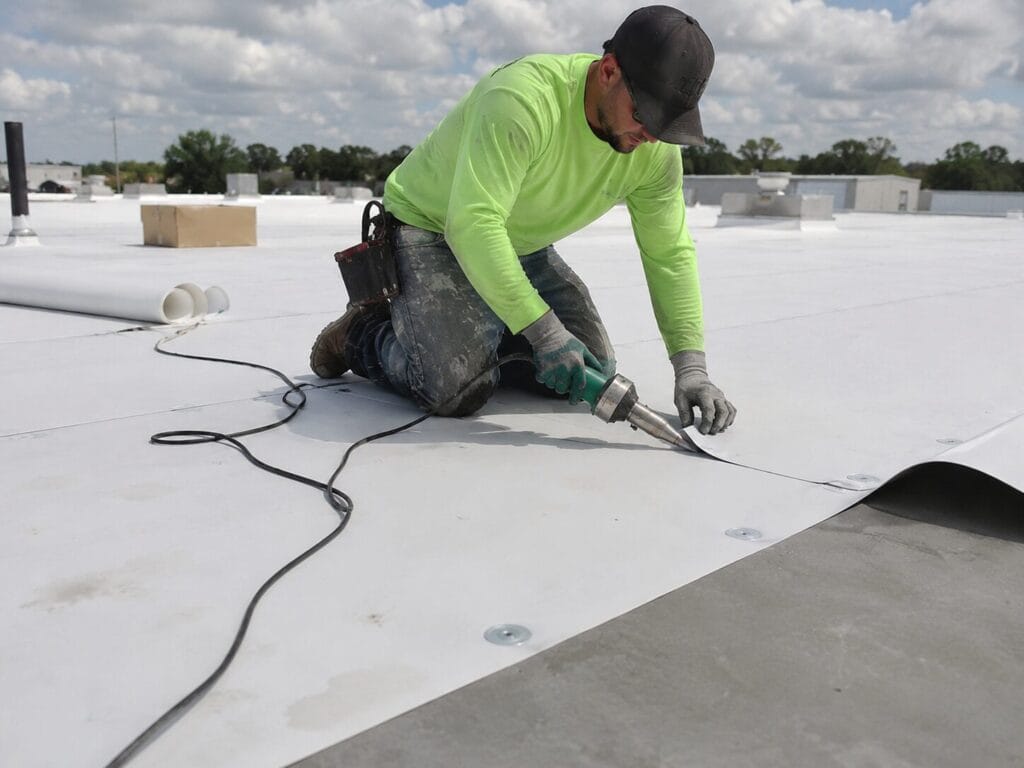
- Seam welding: This is where TPO’s thermoplastic nature becomes an advantage. Seams where membrane sheets overlap are heat-welded using a hot-air gun, fusing the two layers together into a bond that, when done correctly, is stronger than the membrane itself. Seam quality is one of the most critical factors in TPO system performance.
- Flashing and detailing: Transitions around parapet walls, HVAC curbs, drains, vents, and other penetrations are carefully detailed with TPO flashing material, also heat-welded in place.
TPO Roofing Cost
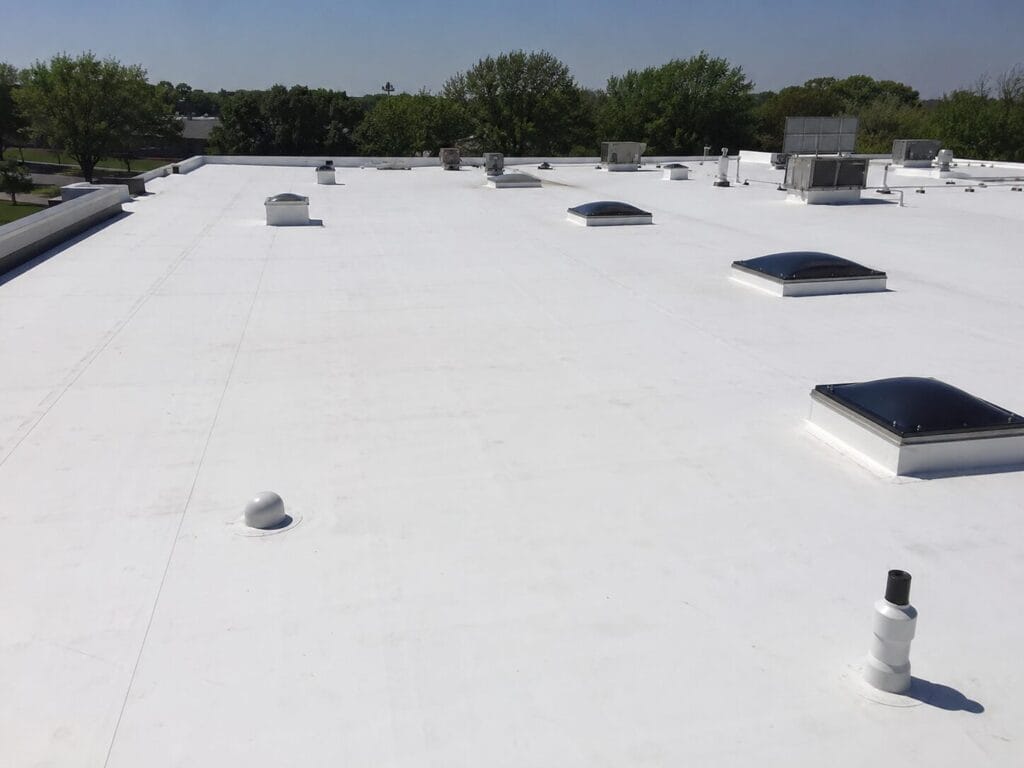
Alt text: White TPO membrane installed on a commercial flat roof with skylights and rooftop equipment.
TPO is one of the more cost-effective commercial roofing options available, which is a significant part of its appeal. That said, “cost-effective” doesn’t mean cheap, and the range in TPO pricing is wide enough that it deserves a closer look.
Installed cost for a TPO roofing system in Colorado typically ranges from $5 to $12 per square foot, depending on factors including membrane thickness, attachment method, insulation R-value, roof complexity, building access, and local labor rates. This range can shift on either side depending on project specifics.
For reference, a 10,000 square foot commercial roof might run anywhere from $50,000 to $120,000 installed. That’s a wide range, which is why getting detailed proposals from qualified contractors matters more than going by a rule-of-thumb number.
What drives cost up:
- Thicker membranes (60 mil vs. 45 mil vs. 80 mil)
- Fully adhered vs. mechanically attached installation
- Higher insulation R-value requirements
- Complex roof geometry with more penetrations and detailing
- Tear-off and disposal of existing roofing material
- Decking repairs discovered during tear-off
What drives cost down:
- Simple, unobstructed roof with minimal penetrations
- Recover installation over existing roof (where code allows)
- Mechanically attached attachment method
- Thinner membrane specification
The best way to understand the true cost for your building is a professional inspection and a detailed, itemized proposal from an experienced commercial roofing contractor.
TPO Roofing Colors
White is by far the most common TPO color, and for good reason. The bright white surface reflects solar radiation effectively, which helps reduce heat absorption and lower cooling costs during warm months. In Colorado, where high-altitude sun intensity is significant, reflective roofing can have a meaningful impact on building energy performance.
That said, TPO is available in other colors, most commonly:
- Gray provides a less stark appearance than white and still offers reasonable reflectivity, though not as high as white.
- Tan/beige is occasionally specified for aesthetic reasons where the roof is visible from adjacent buildings or elevated areas.
It’s worth noting that color affects warranty terms and energy performance ratings with many manufacturers. White TPO typically qualifies for the highest reflectivity ratings and the broadest range of warranty options. Non-white colors may have more limited warranty coverage or require additional specification steps, so it’s worth discussing color choices with your contractor before finalizing specifications.
TPO Roofing Warranty
Warranties on TPO systems vary significantly by manufacturer, membrane thickness, and whether the contractor is a certified installer for that manufacturer’s products. Understanding what you’re actually getting in a warranty before you commit to a system is important.
Manufacturer warranties cover defects in the roofing materials themselves. Coverage periods typically range from 10 to 30 years depending on the manufacturer, membrane thickness, and installer certification level. Thicker membranes generally qualify for longer coverage periods.
Workmanship warranties are separate from manufacturer warranties and cover the quality of the installation. These are provided by the roofing contractor and typically range from 2 to 10 years. The best contractors stand behind their work with longer workmanship warranties.
Key warranty considerations:
- Manufacturer warranties on TPO systems almost universally require installation by a certified contractor. If a non-certified contractor installs your roof, you may not have meaningful manufacturer warranty coverage regardless of what the sales pitch implied.
- Most warranties require documented proof of regular professional maintenance to remain valid. Skipping inspections and maintenance can void coverage at the worst possible time.
- Read the exclusions carefully. Many warranties exclude damage from ponding water, which means maintaining proper drainage is essential for keeping warranty coverage intact.
- Some manufacturers offer “no-dollar-limit” (NDL) warranties at higher certification tiers that cover the full cost of repair or replacement without depreciation. These are worth asking about for larger projects.
TPO Common Roofing Problems
TPO is a solid system, but it’s not without its vulnerabilities. Understanding the common failure points helps building owners know what to watch for and why maintenance matters.
1. Seam Failures
The seams are the most common point of failure in any TPO installation. Improperly welded seams that weren’t fused at the right temperature or speed can appear structurally sound initially but fail over time as thermal cycling causes movement. Seam integrity should be checked during every professional inspection.
2. Punctures and Tears
TPO is more puncture-resistant than EPDM but not impervious. Foot traffic from rooftop service technicians, dropped tools, windblown debris, and hail impact can all create punctures. Thicker membranes (60 and 80 mil) are significantly more resistant to this type of damage than 45 mil.
3. Shrinkage
Some TPO membranes, particularly older formulations, are susceptible to shrinkage over time. As the membrane contracts, it puts stress on seams, flashings, and terminations, which can eventually lead to separation or tearing. Newer formulations from reputable manufacturers have largely addressed this issue, but it’s a reason to pay attention to brand and product specification.
4. UV degradation
While TPO is marketed as UV-resistant, all membranes degrade with long-term sun exposure. In Colorado, high-altitude UV intensity accelerates this process. Over time, membranes can become brittle, lose flexibility, and develop surface crazing that compromises waterproofing capability. Regular inspections catch this early.
5. Ponding water
Flat and low-slope roofs are inherently susceptible to ponding, and water that sits for more than 48 hours after a rain event accelerates membrane deterioration, increases leak risk, and can void manufacturer warranties. Maintaining clear drains and addressing any low spots during re-roofing is critical.
6. Poor installation quality
A significant share of TPO problems trace back to installation quality rather than material failure. Improperly welded seams, inadequate flashing details, and skipped steps during installation create vulnerabilities that may not become apparent until months or years later. Choosing a certified, experienced contractor is the most effective way to avoid installation-related problems.
How TPO Performs in Colorado
Colorado’s climate puts commercial roofing systems through a demanding annual cycle, and TPO handles most of it well with a few caveats worth understanding.
Hail Resistance
Colorado sits in one of the highest hail frequency zones in the country, and hail is one of the most common causes of TPO damage. Thicker membranes (60 and 80 mil) hold up meaningfully better than 45 mil under hail impact. Some manufacturers have also introduced impact-resistant TPO products that offer enhanced hail resistance. For buildings on the Front Range and in other high-exposure areas, membrane thickness and hail resistance should be part of the specification conversation.
UV Exposure
Colorado’s high-altitude UV intensity is real. TPO’s reflective white surface helps by rejecting solar radiation rather than absorbing it, but the membrane itself still experiences UV-driven degradation over time. Regular inspections and prompt attention to any surface changes extend membrane life.
Freeze-thaw Cycling
TPO is thermoplastic, which means it softens with heat and stiffens with cold. The repeated expansion and contraction from Colorado’s wide temperature swings puts stress on seams and flashing details over time. Properly installed seams handle this well; marginal seams may not.
Snow Loads
TPO is not a structural material, so snow load concerns are really about the roof assembly as a whole rather than the membrane specifically. What snow does affect is drainage. Heavy snowmelt can overwhelm drains, and ice dam formation at the roof perimeter can back water under membrane edges if flashing details aren’t watertight.
Energy Performance
This is where TPO genuinely shines in Colorado. High-altitude sun intensity is elevated year-round, and a white reflective membrane can meaningfully reduce cooling loads in summer. For buildings that are occupied and air-conditioned, this translates to real energy savings.
For a broader look at how TPO fits into the current commercial roofing landscape, our guide to the latest commercial roofing trends covers where the industry is headed and how building owners are thinking about material selection today.
TPO vs. Other Commercial Roofing Systems
TPO doesn’t exist in a vacuum. Here’s a quick comparison against the other common single-ply and low-slope options:
| System | Typical Lifespan | Relative Cost | Key Strengths | Key Limitations |
|---|---|---|---|---|
| TPO | 20–30 years | Moderate | Energy efficiency, cost-effective, weldable seams | Quality varies by manufacturer, hail sensitivity at lower thicknesses |
| EPDM | 20–30 years | Moderate | Cold flexibility, proven track record | Black surface absorbs heat, adhesive seams less durable than welded seams |
| PVC | 20–30 years | Higher | Chemical resistance, durable welded seams | Higher upfront cost |
| Modified Bitumen | 15–20 years | Moderate | Multi-ply redundancy, handles foot traffic well | Shorter lifespan, heavier material |
| Metal (Standing Seam) | 40–50+ years | Higher | Longevity, hail resistance, low maintenance | Highest upfront cost |
For most standard commercial buildings in Colorado, TPO at 60 mil is a strong default choice. Buildings with high chemical exposure may be better served by PVC. Buildings where longevity and minimal maintenance are the top priorities should consider standing seam metal. Buildings in high-hail zones should prioritize membrane thickness and consider impact-resistant options.
Is TPO Right for Your Building?
TPO is a strong fit for most commercial flat and low-slope roofs in Colorado, but the right answer depends on your specific building, budget, and priorities. The most important variable isn’t which membrane you choose but how well it’s installed and maintained.
At Roof Source, our commercial roofing team installs TPO and other single-ply systems across Colorado, and we’re happy to help you evaluate which system makes the most sense for your building.
Schedule a Commercial Roof Inspection Today!
Frequently Asked Questions
What is TPO roofing used for?
TPO is primarily used on commercial, industrial, and multi-family buildings with flat or low-slope roofs. It’s designed to be installed over a separate insulation layer and provides a waterproof, UV-reflective surface membrane.
How long does a TPO roof last?
A well-installed and properly maintained TPO roof typically lasts 20 to 30 years in Colorado. Lifespan is influenced by membrane thickness, installation quality, UV exposure, and maintenance frequency.
What thickness TPO membrane should I specify?
60 mil is the recommended baseline for most Colorado commercial buildings. Buildings with high rooftop traffic or significant hail exposure should consider 80 mil. 45 mil is generally not recommended for Colorado conditions given the UV intensity and hail frequency.
What colors does TPO roofing come in?
White is the standard and most common color, offering the highest reflectivity and broadest warranty coverage. Gray and tan/beige are also available but may have more limited warranty options depending on the manufacturer.
What are the most common TPO roofing problems?
Seam failures, punctures from foot traffic or hail, UV degradation, and ponding water are the most frequently encountered issues. Most are preventable with proper installation quality and consistent professional maintenance.
How much does TPO roofing cost in Colorado?
Installed TPO costs in Colorado typically range from $5 to $12 per square foot depending on membrane thickness, attachment method, insulation requirements, and project complexity. Getting a detailed proposal from a qualified contractor is the best way to understand the cost for your specific building.
Does TPO hold up to Colorado hail?
TPO handles moderate hail reasonably well, particularly at 60 and 80 mil thickness. Thicker membranes provide significantly better impact resistance than 45 mil. Some manufacturers offer impact-resistant TPO formulations that provide additional protection in high-hail areas.
What does a TPO warranty cover?
Manufacturer warranties cover material defects and typically range from 10 to 30 years depending on membrane thickness and installer certification level. Workmanship warranties from the contractor cover installation quality and are separate. Both require regular documented maintenance to remain valid.

Published on
June 5, 2026
There are no blocks availables