Insights
Signs You Need a New Roof in Colorado
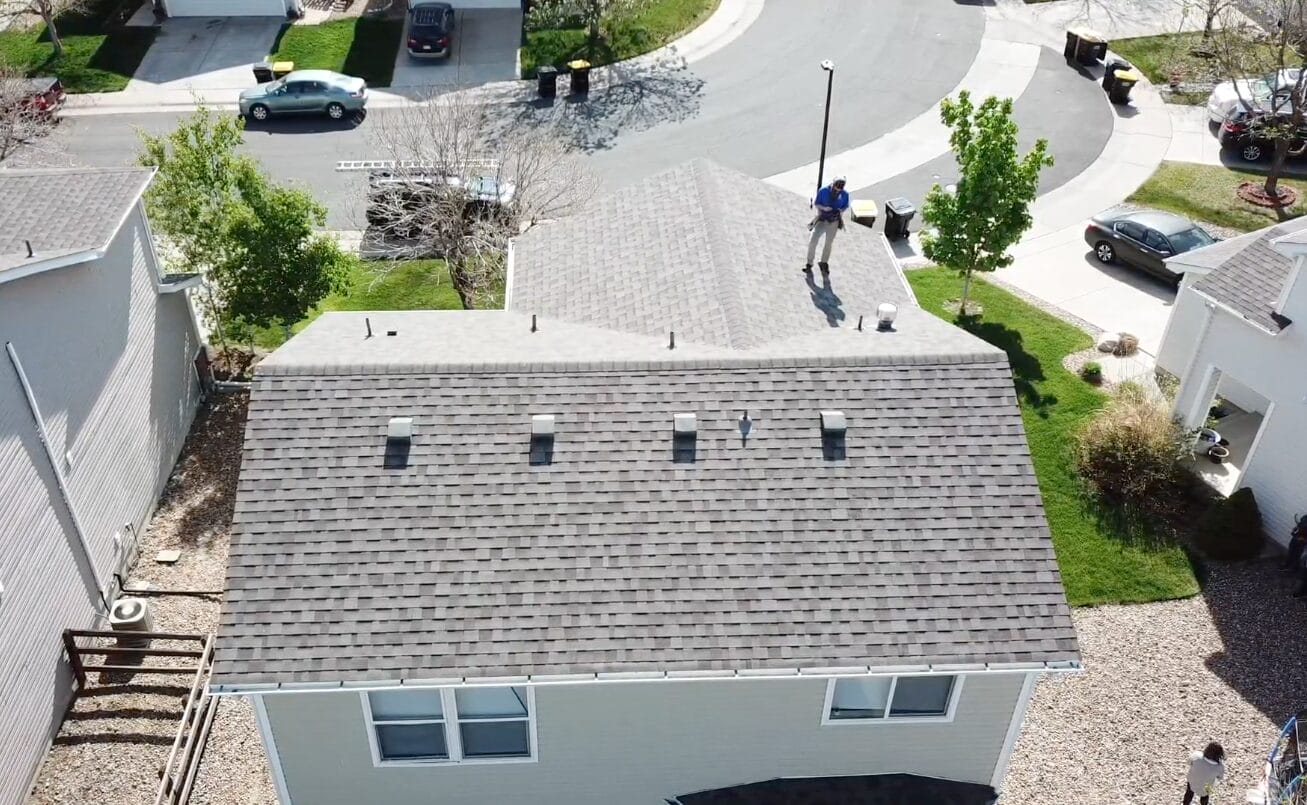
Most homeowners don’t think about their roof until something goes obviously wrong. A water stain appears on the ceiling, a shingle blows into the yard, or the insurance adjuster shows up after a hailstorm. By that point, the roof has usually been trying to tell you something for a while.
The tricky part is knowing what to look for before things get to that stage. Colorado’s climate is hard on roofs in ways that aren’t always obvious from the ground. Hail can crack shingles without leaving a visible hole. UV exposure at altitude slowly dries out asphalt over years. Freeze-thaw cycles chip away at flashing seals one winter at a time. None of those show up as a drip on your ceiling right away, but they’re all working toward one.
This guide walks you through the most common signs you need a new roof, what each one means, and when an inspection makes sense before the decision gets made for you.
Start with the Age of Your Roof
Before you look at a single shingle, the most useful question you can ask is how old your roof is. Age doesn’t determine everything, but it sets the context for everything else.
Most asphalt shingle roofs in Colorado are designed to last 15 to 25 years under normal conditions. Colorado’s conditions aren’t normal. High UV exposure at elevation, repeated hail seasons, and freeze-thaw cycling through spring and fall all accelerate the aging process. A roof that might last 25 years in a mild climate could realistically perform for 18 to 20 here without intervention.
If your roof is approaching or past the 15-year mark and showing any of the signs below, replacement is likely the more practical long-term decision over repeated repairs. If it’s under 10 years old and well-maintained, the same signs may point to targeted repairs instead.
For a full breakdown of what to expect from different roofing materials in Colorado, our guide to roof lifespan in Colorado covers the numbers in detail.
Signs You Need a New Roof: What to Look For
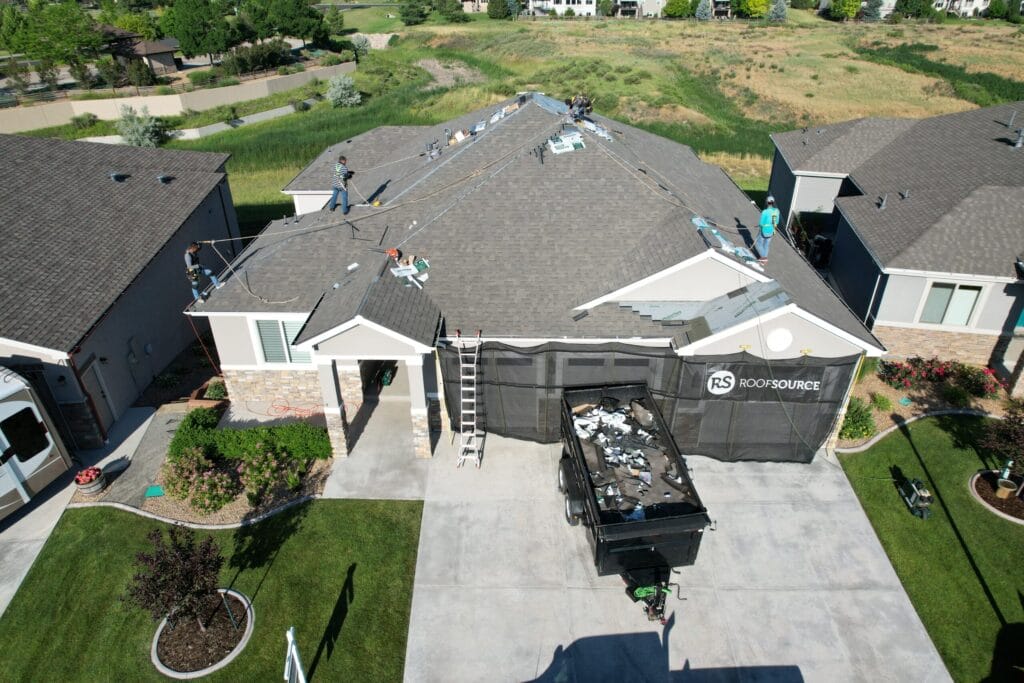
Some of these are visible from the ground. Others require a closer look. All of them are worth taking seriously when you spot them.
1. Curling or Cupping Shingles
Shingles that are curling at the edges or cupping upward in the center are past their effective lifespan. Both are signs that the asphalt layer has dried out and lost its flexibility, usually from years of UV exposure and thermal cycling.
Curled shingles no longer lie flat against the roof deck, which means wind can get underneath them more easily and water doesn’t shed the way it’s designed to. In Colorado, where afternoon wind gusts are common and hailstorms move fast, a roof full of curling shingles is a roof that’s one storm away from a much bigger problem.
2. Missing or Cracked Shingles
Missing shingles are the most visible sign of roof trouble and one of the most urgent. An exposed section of roof deck, even a small one, is an open door for water intrusion. If shingles are blowing off in normal wind conditions, the sealant strips have failed and the roof is no longer performing as a system.
Cracked shingles are a different but related issue. Cracking happens when asphalt becomes brittle with age and can no longer flex under thermal movement. It’s common in older Colorado roofs that have been through many seasons of expansion and contraction. Unlike curling, which is gradual, cracking can happen quickly during a cold snap or a sudden freeze following a warm stretch.
3. Granule Loss
Asphalt shingles are coated with mineral granules that protect the underlying asphalt from UV degradation. Over time, those granules loosen and wash away. When they go, the asphalt accelerates its deterioration rapidly.
The easiest place to spot granule loss is in your gutters. A small amount of granules over time is normal, but if you’re seeing heavy deposits after rain, or if shingles are showing bare, dark patches where the asphalt is exposed, the roof is well into its decline.
Hail accelerates granule loss significantly. A single significant storm can strip years’ worth of granules from a shingle surface, which is one reason a professional inspection after any major hail event is worth scheduling even if nothing looks obviously wrong from the ground.
4. Sagging Roof Sections
A sagging roof is one of the more serious signs on this list because it indicates a structural problem, not just surface wear. Sagging can mean the roof decking has deteriorated from moisture exposure, that the underlying rafters or supports have weakened, or that excessive snow load has caused structural stress over time.
This isn’t something to monitor and revisit later. A sagging section of roof warrants an immediate professional inspection to determine how far the damage extends and what’s required to address it safely.
5. Daylight Through the Roof Boards
If you can see light coming through the roof from inside your attic, water can get in the same way. This is worth checking on your own by going into the attic on a bright day and looking for light penetration, particularly around the ridge, valleys, or anywhere a vent or penetration exists.
While you’re up there, also look for dark staining, soft or discolored wood, or any sign of moisture on the insulation. These are indicators that water has already been getting in, even if it hasn’t made its way to your ceiling yet.
6. Water Stains on Ceilings or Walls
Interior water stains are a sign that the roof has already failed in at least one location. The source isn’t always directly above the stain since water travels along rafters and decking before it finds a low point to drip from, so the actual entry point may be some distance away.
A water stain doesn’t automatically mean you need a full replacement. Sometimes it’s a failed flashing seal or a single deteriorated pipe boot rather than widespread shingle failure. The only way to know for certain is a professional inspection that can trace the source and assess the extent of any damage to the underlying structure.
7. Flashing Failures
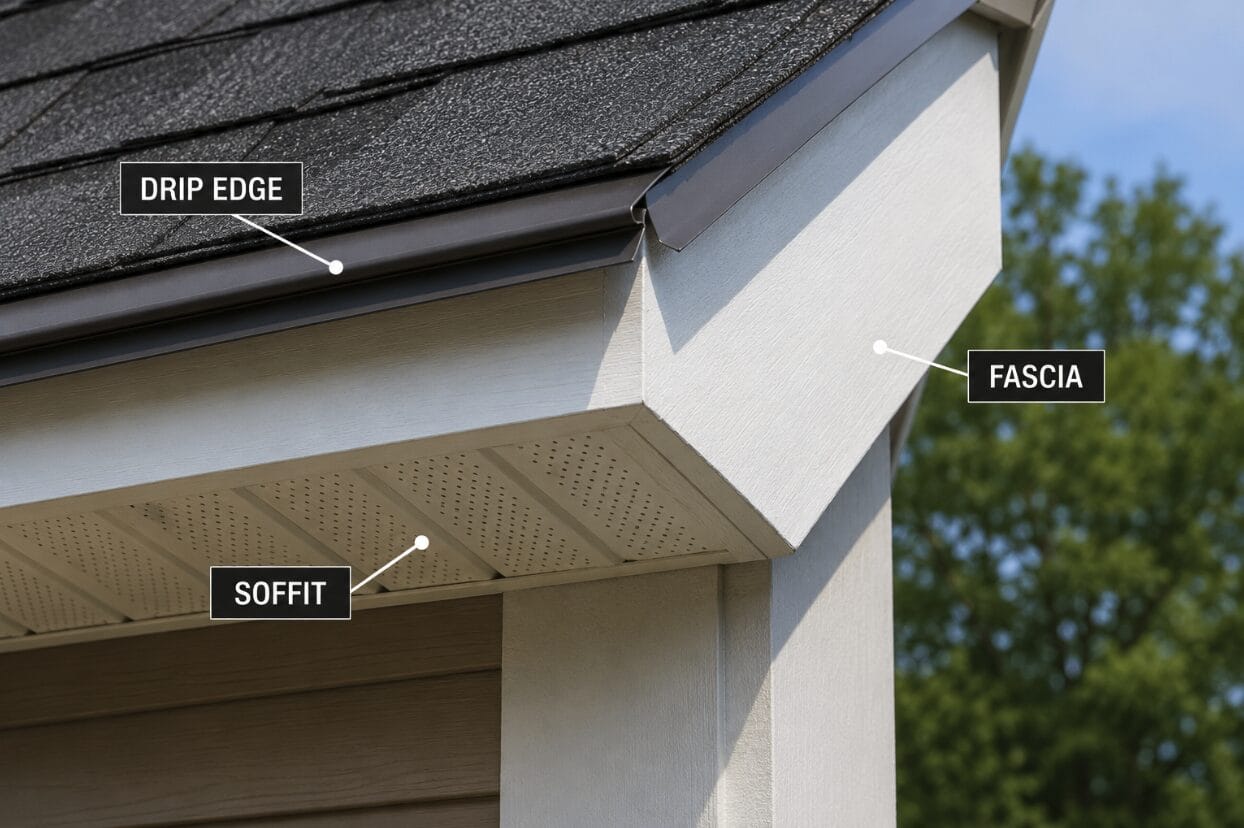
Flashing is the metal material that seals transitions around chimneys, skylights, vents, valleys, and roof edges. It’s one of the most common sources of roof leaks and one of the most frequently overlooked during a casual visual check.
In Colorado, freeze-thaw cycling is particularly hard on flashing seals. As temperatures fluctuate dramatically between day and night, the metal expands and contracts repeatedly, eventually working the sealant loose or cracking it entirely. Lifted, cracked, or corroded flashing around any penetration is a legitimate warning sign that deserves attention before water finds its way in.
8. Moss, Algae, or Biological Growth
Dark streaking on roof shingles is typically algae growth, while thick green or black patches are usually moss. Both are more common on north-facing slopes or in shaded areas where moisture lingers longer after rain.
Moss is the more damaging of the two because it retains moisture against the shingle surface, which accelerates deterioration and can work roots under the shingle edges over time. Algae staining is primarily cosmetic but indicates conditions that favor moisture retention.
Neither necessarily means immediate replacement, but both are worth addressing promptly and are a sign to schedule an inspection to evaluate the condition of the shingles underneath.
9. Rising Energy Bills Without a Clear Cause
A roof that’s no longer providing adequate insulation or ventilation can show up in your utility bills before it shows up anywhere else. When the thermal barrier between your living space and the outside world is compromised, your HVAC system works harder to maintain temperature.
If your heating or cooling costs have been creeping up and you haven’t changed your habits or appliances, the attic is worth checking. Compressed, moisture-damaged, or inadequate insulation is sometimes the direct cause, but so is a roof that’s been allowing slow moisture infiltration into the insulation layer for an extended period.
10. The Roof Has Failed Before
A history of repeated leaks or repairs is worth factoring into your thinking. A single repair on a younger roof in otherwise good condition is expected. A roof that has needed repairs every year or two, particularly if those repairs keep occurring in different areas, is telling you something. At some point the cost and disruption of ongoing repairs exceeds what a replacement would have cost, and the sooner you recognize that crossover, the better the financial decision.
Repair vs. Replace: How to Think About It
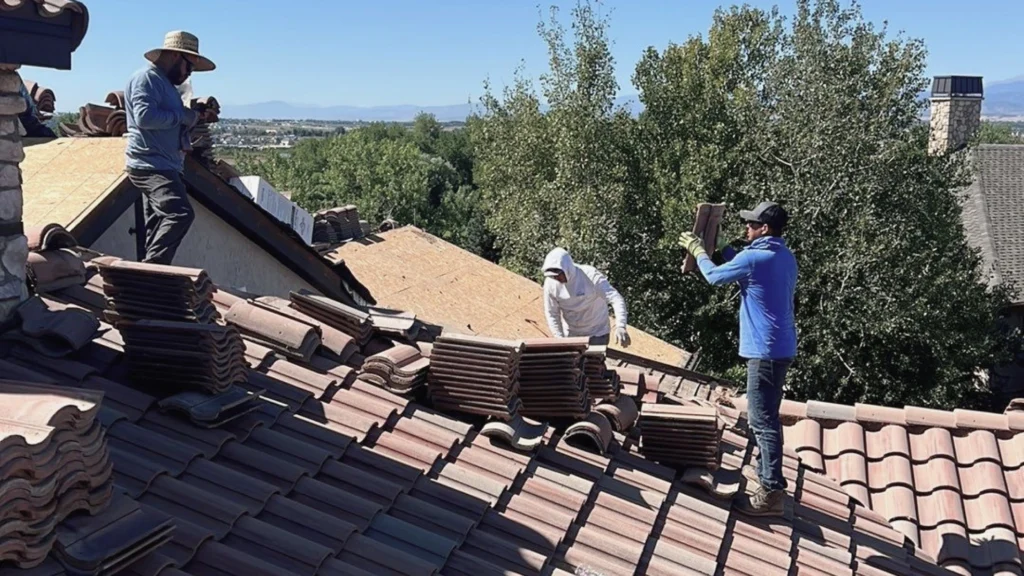
Not every sign on this list means you need a full replacement. Age, extent of damage, and overall roof condition all factor into the decision.
Repairs tend to make sense when damage is isolated to a small area, the rest of the roof is in solid shape, and the roof still has meaningful life left in it. Replacement tends to make more sense when damage is widespread, the roof is approaching or past its expected lifespan, or the cost of repairs is catching up to what a new roof would cost over the next few years.
One thing to keep in mind: if your roof replacement is being driven by storm damage, your homeowner’s insurance may cover a significant portion of the cost. That changes the financial picture considerably. For a realistic look at what replacement costs in Colorado, our guide to new roof costs in Colorado breaks it down by material, home size, and the variables that drive prices up or down.
When to Get a Professional Inspection
The honest answer is that most homeowners aren’t in a position to make a confident repair-vs.-replace call on their own. The signs above give you a framework for knowing when something’s worth investigating, but the actual assessment requires getting on the roof, checking decking condition, evaluating flashing integrity, and looking at things that simply aren’t visible from the ground or even from inside the attic.
A professional inspection is worth scheduling if:
- Your roof is 15 years or older
- You’ve had any significant hail or wind events in the past year
- You’re seeing any of the signs listed above
- You’re planning to sell your home and want to understand its condition before listing
- You haven’t had an inspection in the past year
An inspection doesn’t commit you to anything. It gives you accurate information to make a decision from, which is considerably better than guessing or waiting for the ceiling to tell you.
Not Sure Where Your Roof Stands?
If any of the signs above sound familiar, the next step isn’t a replacement quote. It’s an honest assessment of what’s actually going on up there.
At Roof Source, our inspections are thorough, documented, and designed to give you a clear picture of your roof’s condition without any pressure toward a particular outcome. If repairs are the right call, we’ll tell you. If replacement makes more sense, we’ll explain why and walk you through your options.
Schedule Your Free Roof Inspection Today!
Frequently Asked Questions
What are the most common signs you need a new roof?
The most frequent indicators are curling or missing shingles, heavy granule loss in gutters, water stains on interior ceilings or walls, sagging roof sections, and a roof that’s approaching or past its expected lifespan. In Colorado, hail damage is also a significant trigger that isn’t always visible without a professional inspection.
How do I know if I need a repair or a full replacement?
Age and extent of damage are the two biggest factors. Isolated damage on a younger, otherwise sound roof often warrants repair. Widespread deterioration or a roof that’s 15 or more years old in Colorado’s climate typically makes replacement the better long-term investment. A professional inspection is the most reliable way to know which situation you’re in.
How long does a roof last in Colorado?
Most asphalt shingle roofs in Colorado perform well for 15 to 25 years depending on material quality, installation, maintenance, and exposure to hail and UV. Colorado’s climate tends to shorten lifespans compared to milder regions. Our roof lifespan guide covers the numbers by material and region in more detail.
Can I inspect my own roof?
You can do a visual check from the ground and inspect the attic for light penetration or moisture signs, which are both useful starting points. But a thorough inspection requires getting on the roof and evaluating things like flashing integrity, seam condition, and decking quality that aren’t visible otherwise. For anything beyond a preliminary look, a professional inspection is worth it.
What happens if I ignore the signs and don’t replace my roof?
Deferred maintenance on a roof rarely stays contained. Small issues allow water infiltration that damages decking, insulation, and interior finishes over time. What might have been a straightforward replacement becomes a replacement plus significant structural and interior repairs. The cost of waiting almost always exceeds the cost of acting when the signs first appear.
Does homeowner’s insurance cover roof replacement in Colorado?
If damage is caused by a covered event like hail or wind, most standard Colorado homeowner’s policies will cover part or all of the replacement cost, minus your deductible. Damage from normal wear and tear is typically not covered. Our roof insurance claim guide walks through the process in detail.

Published on
September 3, 2026
There are no blocks availables