News
Roof Inspection Cost & What’s Included
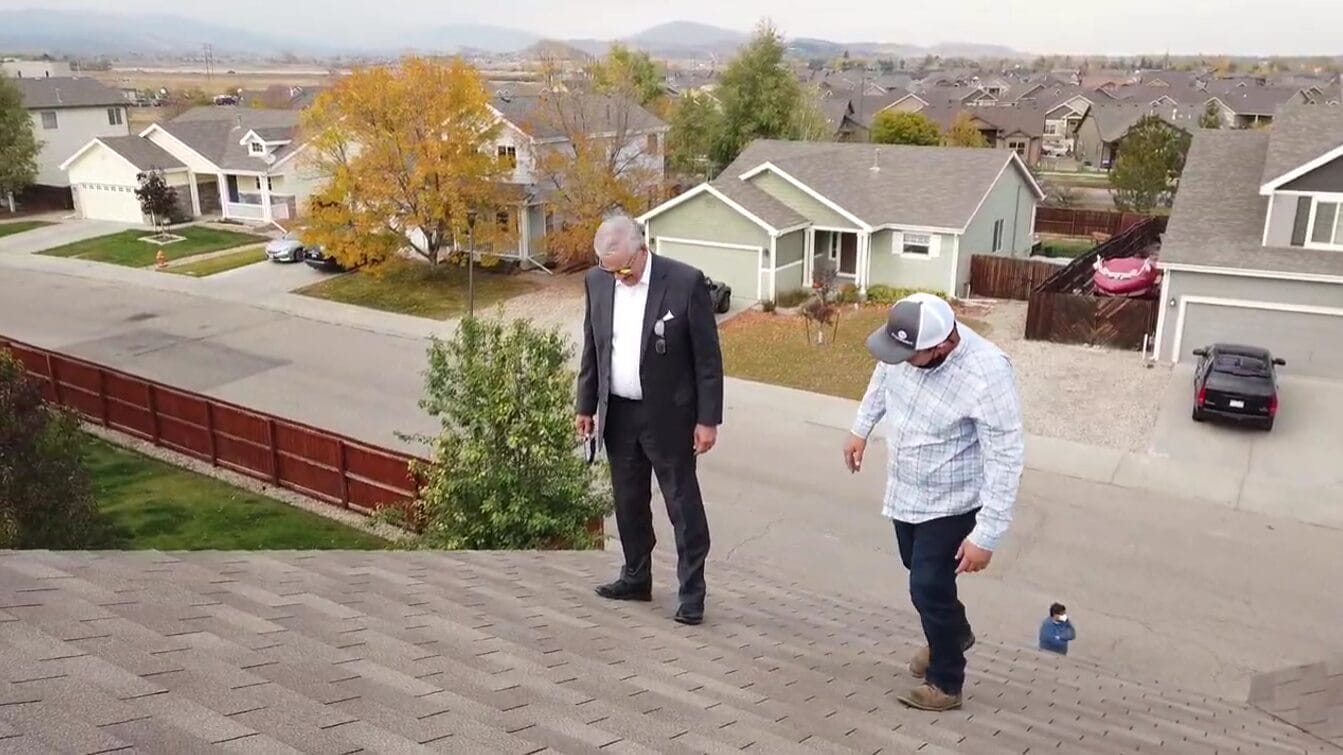
Most roof problems don’t announce themselves right away. You might first notice a water stain on the ceiling, a loose shingle after a windstorm, or damage left by hail. An inspection can help spot trouble before a small repair turns into a much bigger job.
If you’re thinking about scheduling a roof inspection, it helps to know what you’ll pay, what the roofer will check, and what you’ll get afterward. Here’s what Colorado homeowners should know.
How Much Does a Roof Inspection Cost?
The price depends on your roof’s size, pitch, condition, and the kind of inspection you request. The figures below are general estimates, not a quote for your specific home.
Inch Calculator’s 2026 cost guide lists a national average of about $225, with costs ranging widely based on the inspection method and roof complexity.
The Pricer puts many standard inspections around $250 to $300 nationally. A straightforward visual check generally costs less than an inspection that includes specialty equipment.
Colorado prices can vary by market, travel distance, and access. Ask what the quoted fee includes, especially if you need attic photos or a formal written report.
| Inspection Type | Typical Cost Range | Best For |
|---|---|---|
| Basic visual inspection | $150 to $300 | Routine annual maintenance |
| Comprehensive inspection (visual + attic) | $250 to $450 | Pre-purchase, post-storm, aging roofs |
| Drone inspection | $150 to $400 | Steep or difficult-to-access roofs |
| Infrared/thermal imaging | $400 to $900 | Detecting hidden moisture without removing material |
| Post-storm insurance inspection | Often free (contractor-provided) | After hail or wind events |
What Affects the Cost of a Roof Inspection?
Not every inspection is priced the same, and knowing what drives cost helps you understand what you’re paying for.
Roof Size
Larger roofs take more time to inspect thoroughly. A single-story ranch home with a simple gable roof costs less to inspect than a two-story home with multiple dormers, valleys, and penetrations. Most inspections are priced per visit rather than per square foot, but size and complexity are baked into the contractor’s time estimate.
Roof Pitch and Accessibility
Steep roofs require more time, more caution, and sometimes additional safety equipment. A roof with a 4/12 pitch that a technician can walk comfortably costs less to inspect than a 12/12 steep slope that requires harnesses and roof jacks. Difficult access conditions, such as heavy landscaping, limited yard clearance, or multi-story heights, can also push inspection costs upward.
Inspection Type
A basic visual inspection from the roofline and ground is the least expensive option. Adding an attic inspection, drone photography, or infrared thermal imaging increases both thoroughness and cost. For most routine maintenance inspections, a comprehensive visual inspection including the attic is the right balance of cost and coverage. Infrared inspections are most valuable when moisture infiltration is suspected but not yet visibly apparent.
Roof Age and Condition
Older roofs or roofs showing obvious deterioration may take more time to document thoroughly. A technician inspecting a 20-year-old roof with multiple problem areas will spend more time than one inspecting a 5-year-old roof in solid condition.
Geographic Location
Labor rates vary by market. Denver metro area inspections tend to run at or above national averages. More rural Colorado locations may run slightly lower but can sometimes carry a travel fee for contractors coming from a distance.
What’s Included in a Professional Roof Inspection?
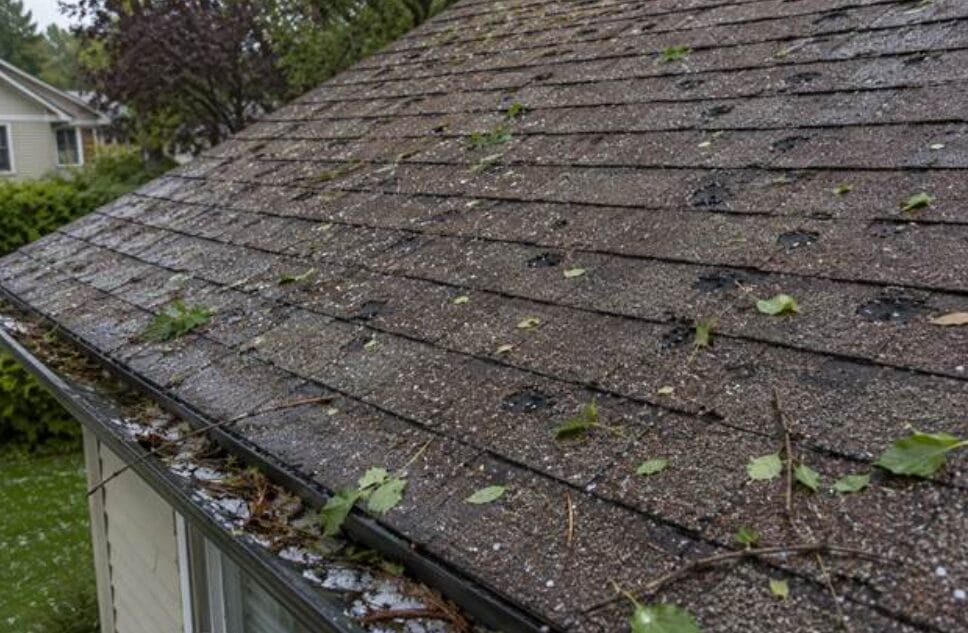
A thorough professional roof inspection covers far more than a quick look at the shingles from the driveway. Here’s what a comprehensive inspection should include.
Exterior Roof Surface
The inspector accesses the roof and evaluates the full surface condition, including:
- Shingle condition: curling, cracking, missing tabs, granule loss, bruising, or impact marks
- Overall wear pattern and estimated remaining useful life
- Ridge cap condition
- Visible signs of previous repairs and their quality
Flashing and Seals
Flashing around chimneys, skylights, vents, valleys, and roof edges is examined for lifting, cracking, corrosion, or separation from its substrate. Flashing failures are among the most common sources of roof leaks and deserve close attention.
Pipe Boots and Penetrations
Rubber pipe boots around plumbing vents degrade over time and are a frequent source of leaks. A good inspection checks each penetration for cracking, separation, or deterioration.
Gutters and Drainage
Gutters and downspouts are checked for proper attachment, drainage function, and signs of impact damage. Granule accumulation in gutters is noted as an indicator of shingle wear. Drainage paths are evaluated for anything that might cause ponding or water intrusion at the roofline.
Soffits, Fascia, and Ventilation
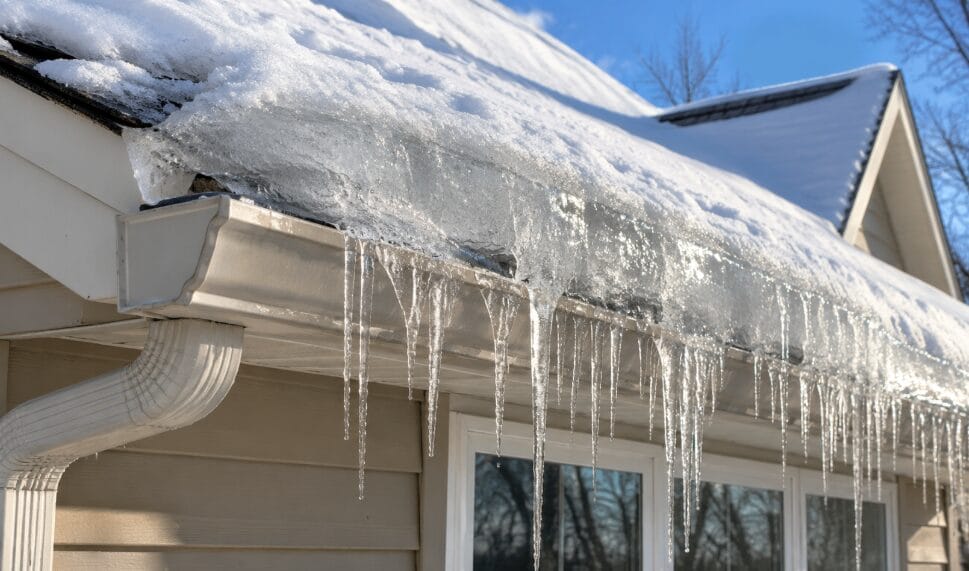
The underside of the roof overhang, the fascia boards, and the soffit vents are checked for rot, moisture damage, pest intrusion, and proper ventilation function. Blocked soffit vents can contribute to attic moisture problems and ice dam formation in winter.
Attic Inspection (Comprehensive Inspections)
A full inspection includes access to the attic to check:
- Proper ventilation (intake and exhaust balance)
- Insulation condition and coverage
- Decking condition from the underside (soft spots, staining, mold)
- Signs of daylight penetration or moisture infiltration
- Rafter and structural member condition
The attic is where problems that haven’t yet made it to your ceiling often show up first. Skipping it means missing half the picture.
Written Report and Documentation
A professional inspection should produce a written report with photographs documenting current conditions, any issues found, recommended repairs, and the inspector’s assessment of remaining useful life. This report is valuable for your own records, for insurance purposes, and for resale documentation.
Free Roof Inspections: What to Know
Many Colorado roofing contractors offer free inspections, particularly after storm events. This is a legitimate and common practice, and there’s nothing wrong with taking advantage of it. A reputable contractor will give you an honest assessment regardless of whether they’re charging for it.
A few things worth understanding about free inspections:
They’re typically visual inspections rather than full comprehensive assessments. If you need a detailed written report for a real estate transaction, an insurance dispute, or a warranty claim, a paid inspection from an independent inspector may provide more thorough documentation.
The contractor providing a free inspection has an interest in selling you work. That doesn’t make the inspection dishonest, most reputable contractors will tell you if your roof is in good shape, but it’s worth understanding the dynamic.
For post-storm assessments where you’re evaluating potential insurance claims, a free inspection from your roofing contractor combined with the insurance company’s adjuster visit gives you a good baseline for comparison.
When Should You Schedule a Roof Inspection?
Annually
The NRCA (National Roofing Contractors Association) recommends professional roof inspections at least once per year for most residential roofs. In Colorado, twice per year, spring and fall, is the more practical standard given the state’s hail season and the wear that freeze-thaw cycling puts on roofing materials over winter.
After Any Significant Storm
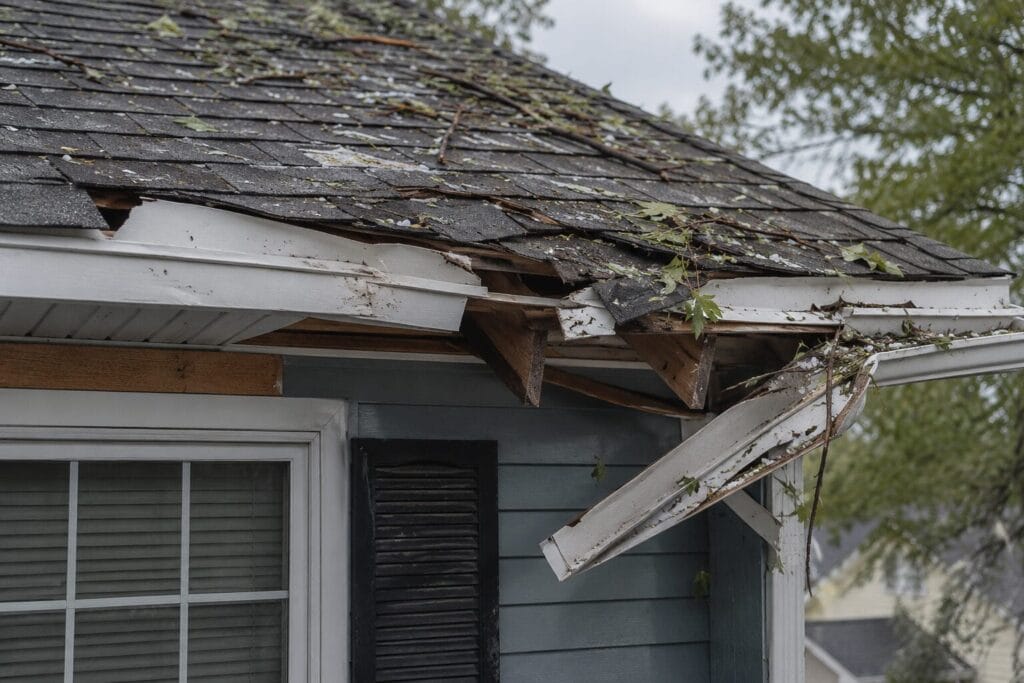
After hail events producing 1-inch or larger hailstones, or after high winds that may have lifted or displaced shingles, a post-storm inspection is worth scheduling even if nothing looks obviously wrong from the ground. Hail damage in particular is often not visible without getting on the roof.
When Your Roof Is 10 Years or Older
Roofs don’t fail all at once. Problems develop gradually, and an inspection on an older roof establishes a baseline condition that helps you plan and budget for eventual replacement rather than reacting to a failure.
Before Buying or Selling a Home
A roof inspection is a standard part of the home-buying process. As a buyer, it gives you clear information about the roof’s condition and estimated remaining life before closing. As a seller, a pre-listing inspection lets you address issues proactively rather than having them surface as negotiating points during a transaction.
If You’re Noticing Any Warning Signs
Water stains on ceilings or walls, granules in gutters, visible curling or missing shingles, or unexplained increases in heating or cooling costs are all reasons to schedule an inspection sooner rather than later.
Our guide to signs you need a new roof covers the full list of what to watch for.
Roof Inspection vs. Roof Certification
These are sometimes confused, so it’s worth clarifying the difference.
A roof inspection assesses current condition and documents findings. It’s a diagnostic tool.
A roof certification is a document, usually required by insurance companies or mortgage lenders, stating that a roof is in acceptable condition and has a minimum number of years of useful life remaining. Certifications typically cost $100 to $300 and are issued by a licensed roofing contractor after a thorough inspection. Not every inspector offers certification, and not every inspection produces one automatically.
If you need a roof certification for a real estate transaction or insurance requirement, confirm this upfront when scheduling so the contractor comes prepared to provide the documentation.
Is a Roof Inspection Worth the Cost?
The math on this is straightforward. A professional inspection runs $150 to $450 for most Colorado homes. A roof replacement runs $10,000 to $25,000 or more. A water damage remediation project from a leak that was developing for two years before it showed up on the ceiling can easily run several thousand dollars on top of whatever roofing repairs are needed.
Catching a failing flashing seal, a cracked pipe boot, or early-stage shingle deterioration during an inspection and addressing it for a few hundred dollars is almost always less expensive than dealing with what those issues become when left alone. That math holds regardless of whether the inspection itself is free or costs $300.
Schedule Your Roof Inspection with Roof Source
At Roof Source, our inspections are thorough, documented, and honest. Whether you’re due for a routine annual check, dealing with potential storm damage, or trying to understand the condition of a roof before a real estate transaction, we’ll give you a clear picture of where things stand and what, if anything, needs attention.
Schedule Your Roof Inspection Today!
Frequently Asked Questions
How much does a roof inspection cost in Colorado?
Most Colorado homeowners pay between $150 and $450 for a professional roof inspection, depending on the inspection type, roof size, and complexity. Post-storm inspections are frequently offered at no charge by roofing contractors. Advanced inspection methods like infrared thermal imaging run higher.
What does a roof inspection include?
A comprehensive roof inspection covers the full shingle surface, flashing and seals around all penetrations, gutters and drainage, soffits and fascia, ventilation, and an attic assessment. It should conclude with a written report and photographs documenting current conditions and any issues found.
How often should I get a roof inspection in Colorado?
At minimum, once per year. Twice per year, spring and fall, is the more practical standard in Colorado given the state’s hail season and the wear that winter freeze-thaw cycling puts on roofing materials. Additional inspections after significant storm events are also worth scheduling.
Are free roof inspections legitimate?
Yes, free inspections from roofing contractors are a legitimate and common practice, particularly after storm events. A reputable contractor will give you an honest assessment. For formal documentation purposes, such as real estate transactions or insurance disputes, a paid independent inspection may provide more thorough written documentation.
What is the difference between a roof inspection and a roof certification?
A roof inspection assesses and documents current condition. A roof certification is a formal document, typically required by insurers or lenders, stating the roof is in acceptable condition with a minimum remaining useful life. Certifications usually cost $100 to $300 and must be issued by a licensed contractor after a thorough inspection.
Do I need a roof inspection after a hailstorm?
Yes. Hail damage is frequently not visible from the ground and can compromise shingles without creating obvious holes or interior leaks. A professional inspection after any storm producing 1-inch or larger hailstones is worth scheduling to assess damage and document findings for a potential insurance claim.

Published on
October 23, 2026
There are no blocks availables