News
Roof Financing Options in Colorado: How to Pay for a New Roof
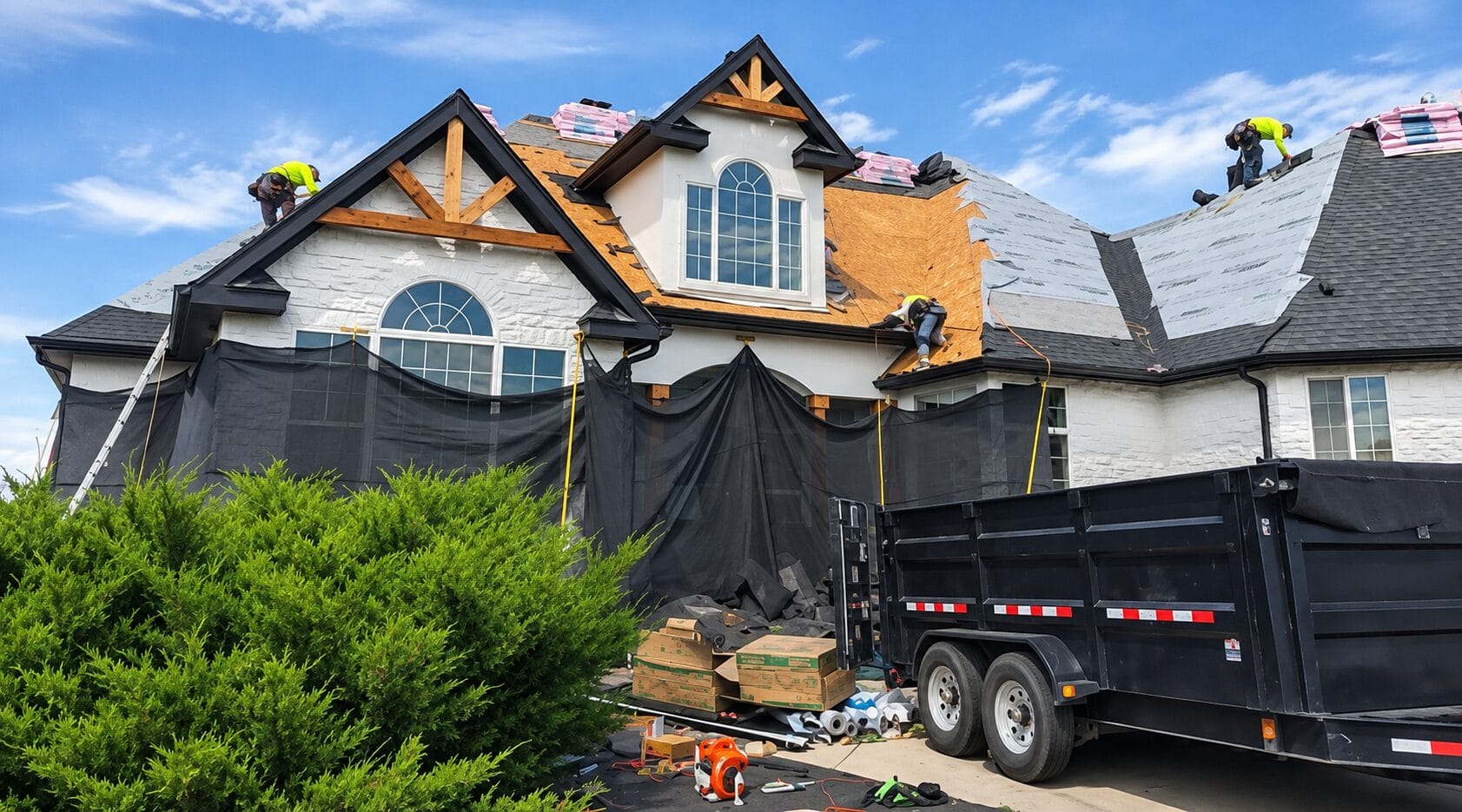
A new roof is one of the largest single investments most homeowners and commercial property owners make. Depending on the size of your building, the materials you choose, and the scope of the project, you could be looking at anywhere from $10,000 to well over $50,000. That’s not a number most people have sitting in a checking account, and it doesn’t need to be.
There are more ways to finance a roof replacement in Colorado than most people realize, and the right option depends on your credit profile, how much equity you have in your property, how quickly you need the work done, and if insurance is already covering part of the cost. This guide walks through the realistic financing paths for Colorado homeowners and commercial property owners, so you can compare them side by side before you sign anything.
Why Roof Financing Is Worth Understanding Before You Need It
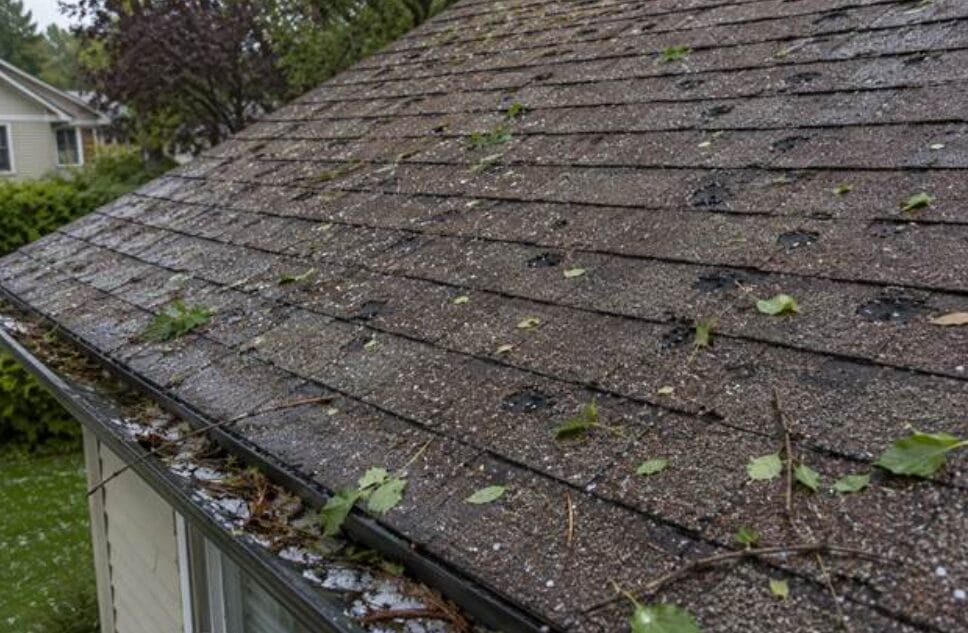
Most people don’t start thinking about roof financing until they’re already in the middle of a project, a storm has just come through, or a contractor has handed them an estimate that’s larger than expected. At that point, decisions get made quickly and not always wisely.
Understanding your financing options ahead of time puts you in a stronger position. You’ll know what questions to ask, what terms to watch out for, and which financing path fits your situation without locking you into something that costs significantly more over the long run than it needed to.
For Colorado homeowners in particular, hail season comes around every year. Having a sense of how you’d finance a roof replacement before the storm arrives means one less thing to figure out in the middle of an already stressful situation.
Roof Financing Options For Colorado Homeowners
1. Contractor-Offered Financing
Many roofing contractors, including those serving the Colorado market, offer in-house financing or work with third-party lending partners to provide payment plans at the point of sale. These programs vary widely in terms and quality.
The appeal is convenience. You get your financing and your contractor in one conversation, approvals can be fast, and monthly payment options make the project feel more manageable. Some programs offer promotional periods with deferred interest or low introductory rates.
The caution is that contractor financing tends to carry higher interest rates than what you’d get through a bank, credit union, or home equity product on your own. Promotional “no interest” offers often convert to high-rate debt if the balance isn’t paid off within the promotional window, and those rates can be significant.
If your contractor offers financing, get the full terms in writing before agreeing to anything. Check the APR after any promotional period ends, any prepayment penalties, and what happens if you miss a payment. Compare those terms against at least one other option before committing.
2. Home Equity Loan
A home equity loan lets you borrow a lump sum against the equity you’ve built in your home, repaid at a fixed interest rate over a set term, typically 5 to 20 years. Because your home serves as collateral, interest rates are generally lower than unsecured financing options, and the loan amount available is often larger.
For homeowners who have been in their Colorado home for several years and have meaningful equity built up, a home equity loan is often one of the most cost-effective ways to finance a large roofing project. The fixed rate and fixed payment make budgeting straightforward.
The tradeoff is that your home is collateral. If you default, you could lose your home. The application process also takes longer than contractor financing or a personal loan, which may not work if you need the project done quickly after storm damage.
3. Home Equity Line of Credit (HELOC)
A HELOC works similarly to a home equity loan but functions more like a revolving credit line. You’re approved for a maximum amount and can draw from it as needed during a set draw period, paying interest only on what you’ve borrowed. After the draw period ends, you repay the principal plus interest over a repayment term.
HELOCs often come with variable interest rates, which means your payment can change as rates fluctuate. That’s worth factoring into your decision, particularly in a rate environment that isn’t stable.
For homeowners who aren’t sure exactly how much the project will cost, or who want flexibility to cover both a roof replacement and other home improvement projects from the same credit line, a HELOC can be a practical choice. For a project with a known, fixed cost, a home equity loan is usually simpler.
4. Personal Loan
Personal loans are unsecured, meaning they don’t require your home as collateral. They’re faster to approve than home equity products and don’t put your property at risk. Interest rates vary significantly based on your credit score, but for borrowers with strong credit, personal loan rates can be competitive with other options for smaller projects.
Personal loans are a reasonable fit for smaller roofing projects, repairs rather than full replacements, or homeowners who don’t have significant equity to draw from. For larger replacements, higher rates and lower borrowing limits usually make home equity the better choice if you have it.
5. FHA Title I Home Improvement Loan
The FHA Title I program allows homeowners to borrow up to $25,000 for home improvements without requiring equity in the property. Because the loan is government-insured, lenders can offer it to homeowners who may not qualify for conventional products, and the loan doesn’t require your home as collateral for amounts up to $7,500.
This can be a useful option for homeowners who are earlier in their homeownership and haven’t built significant equity yet, or for those whose credit profile makes conventional financing harder to access. The downside is that Title I loans are only available through FHA-approved lenders, which narrows your options, and the $25,000 cap may not cover a full replacement on a larger Colorado home.
6. Homeowner’s Insurance
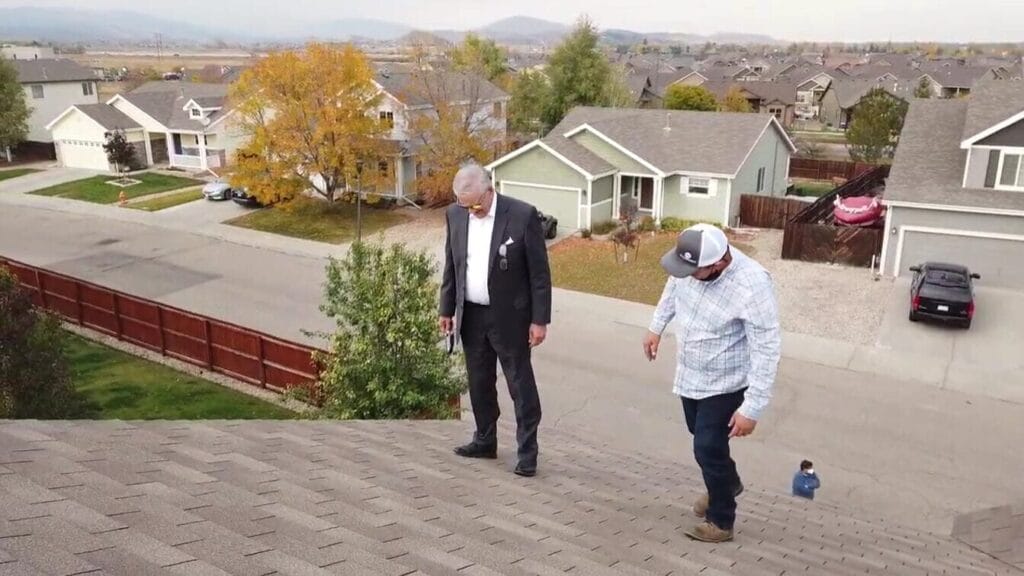
This one deserves its own entry because it’s the most commonly overlooked “financing” option for Colorado homeowners dealing with storm damage. If your roof replacement is driven by hail or wind damage, your homeowner’s insurance policy may cover a significant portion or all of the replacement cost, minus your deductible.
Before exploring any financing product, check if your roof damage qualifies as a covered insurance event. Filing a claim first, getting the settlement, and then financing only the gap between the settlement and your actual cost is a much better position than financing the full project and then recovering insurance money separately.
Colorado policies frequently carry a separate wind and hail deductible that can be substantial, so understanding your deductible situation is an important first step. For a full walkthrough of how Colorado roof insurance claims work, our roof insurance claim guide covers the process in detail.
7. Cash-Out Refinance
A cash-out refinance replaces your existing mortgage with a new, larger one and gives you the difference in cash. If your home has appreciated significantly, this can unlock a large amount of capital at mortgage rates, which are usually lower than most other financing options.
The tradeoff is meaningful. You’re resetting your mortgage term, potentially paying closing costs, and extending the period over which you’re paying interest on your home. In a higher interest rate environment, a cash-out refinance that replaces a lower existing rate with a higher one can cost significantly more over time than other options.
Cash-out refinancing makes the most sense when mortgage rates are favorable relative to your current rate, when you need a large amount, and when you have other home improvement goals beyond the roof that justify the transaction costs.
Roof Financing For Commercial Properties In Colorado
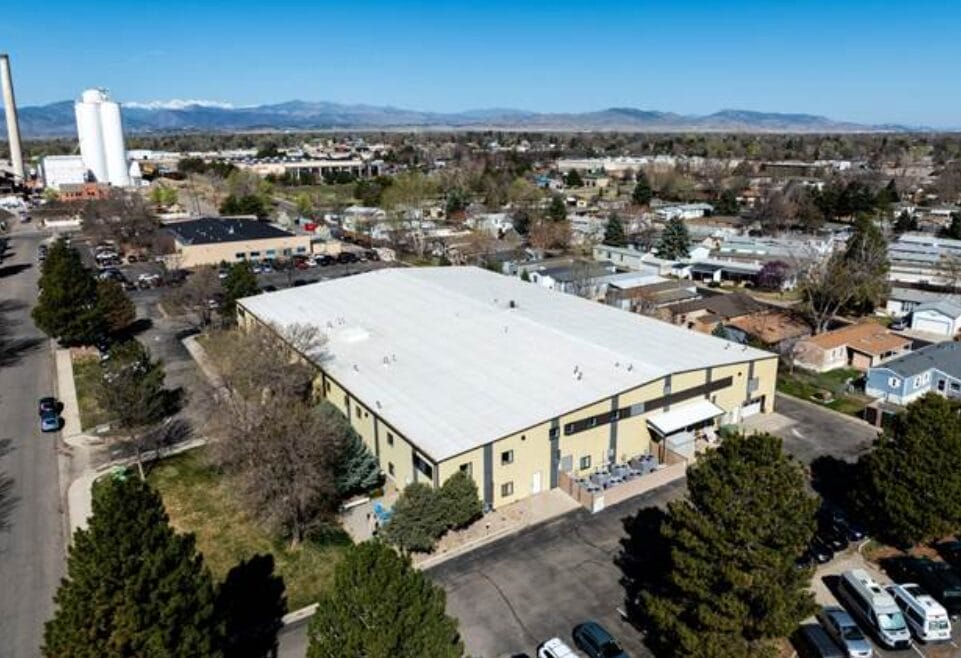
Commercial roof financing works differently from residential financing, with its own loan products, larger amounts, and separate underwriting criteria.
Commercial Property Equity Financing
Like a home equity loan, commercial property owners can borrow against the equity built up in their building. Commercial equity loans and lines of credit are available through banks and commercial lenders, typically at rates tied to the prime rate or SOFR. These are often the most cost-effective financing option for established commercial property owners with meaningful equity.
SBA Loans
The Small Business Administration offers loan programs that can be used for commercial property improvements, including roofing. The SBA 504 loan program in particular is designed for long-term fixed asset improvements and can be a useful source of capital for business owners who own their commercial property. SBA loans require working with an approved lender and have longer approval timelines, but the rates and terms are often favorable compared to conventional commercial financing.
Equipment and Property Improvement Financing
Some commercial lenders offer dedicated property improvement financing that treats roofing as a capital improvement to the building. These products are typically structured with fixed terms and rates, and approval is based on the property’s value and the owner’s financial profile rather than personal credit alone.
Insurance Coverage
Just as with residential properties, commercial roofing replacements driven by storm damage may be partially or fully covered by commercial property insurance. The claims process for commercial properties follows similar principles to residential claims but often involves larger settlement amounts and more complex adjuster negotiations. Documenting damage thoroughly and working with an experienced contractor who understands the commercial claims process is particularly important for larger commercial projects.
Comparing Your Options: A Quick Reference
| Financing Type | Best For | Typical Rate | Speed | Home at Risk? |
|---|---|---|---|---|
| Contractor financing | Quick approval, small to mid projects | Moderate to high | Fast | No |
| Home equity loan | Large projects, fixed budget | Low to moderate | Moderate | Yes |
| HELOC | Flexible needs, multiple projects | Variable | Moderate | Yes |
| Personal loan | Smaller repairs, no equity | Moderate to high | Fast | No |
| FHA Title I | Low equity, moderate projects | Moderate | Moderate | No (under $7,500) |
| Insurance claim | Storm-damaged roofs | N/A (deductible only) | Variable | No |
| Cash-out refinance | Large amount, favorable rates | Low (mortgage rate) | Slow | Yes |
| SBA loan (commercial) | Business-owned property improvements | Low to moderate | Slow | Depends |
What To Watch Out For
Regardless of which financing path you choose, a few red flags are worth keeping in mind.
Deferred interest promotions. “No interest for 18 months” sounds attractive but can be a trap. If the balance isn’t paid in full by the end of the promotional period, many of these products charge all the deferred interest retroactively at a high rate. Read the fine print carefully.
Prepayment penalties. Some financing products charge a fee if you pay off the balance early. If you’re planning to pay down the loan quickly, confirm there’s no penalty for doing so.
Contractor pressure to finance immediately. A reputable contractor will give you time to review your financing options without pressuring you to sign a financing agreement on the spot. If you feel rushed, that’s worth paying attention to.
Financing the full amount when insurance applies. If storm damage is involved, work through your insurance claim before committing to financing. Financing a project that insurance will partially cover means paying interest on money you didn’t need to borrow.
Talk To Roof Source About Your Options
At Roof Source, we work with homeowners and commercial property owners across Colorado on projects of all sizes, and we understand that the financing piece is often as important as the roofing decision itself. Dealing with storm damage and an insurance claim? Planning a replacement or working on a commercial roof? We can help you think through the full picture.
Get in Touch with Roof Source Today!
Frequently Asked Questions
What are the best roof financing options in Colorado?
The best option depends on your situation. Homeowners with significant equity typically get the best rates through a home equity loan or HELOC. Those with storm damage should file an insurance claim before pursuing financing. Homeowners without equity can look at personal loans or FHA Title I programs. Commercial property owners have additional options through commercial equity financing and SBA loans.
Can I finance a roof replacement through my roofing contractor?
Many roofing contractors offer financing through lending partners. It’s convenient but often carries higher interest rates than bank or credit union options. Always compare the full terms, including the APR after any promotional period, against at least one other financing option before committing.
Does homeowner’s insurance cover roof replacement in Colorado?
If the damage was caused by a covered event like hail or wind, most standard Colorado homeowner’s policies cover partial or full replacement cost minus your deductible. Colorado policies often carry a separate wind and hail deductible. Confirming your coverage before pursuing financing is always the right first step.
What is an FHA Title I loan for roof replacement?
The FHA Title I program allows homeowners to borrow up to $25,000 for home improvements without requiring home equity as collateral. It’s available through FHA-approved lenders and can be a useful option for homeowners earlier in their ownership who haven’t built significant equity yet.
How much does a new roof cost in Colorado?
Costs vary significantly based on home size, roof complexity, and material choice. For a detailed breakdown, our guide to new roof costs in Colorado covers the full range with Colorado-specific pricing context.
Can commercial property owners finance a roof replacement?
Yes. Commercial property owners have access to commercial equity loans, SBA loan programs, and dedicated property improvement financing. Commercial roofing projects driven by storm damage may also be covered by commercial property insurance. The right path depends on the property’s equity position, the owner’s financial profile, and the scope of the project.

Published on
October 8, 2026
There are no blocks availables