Insights
Colorado Roof Maintenance: What Every Homeowner Needs to Know
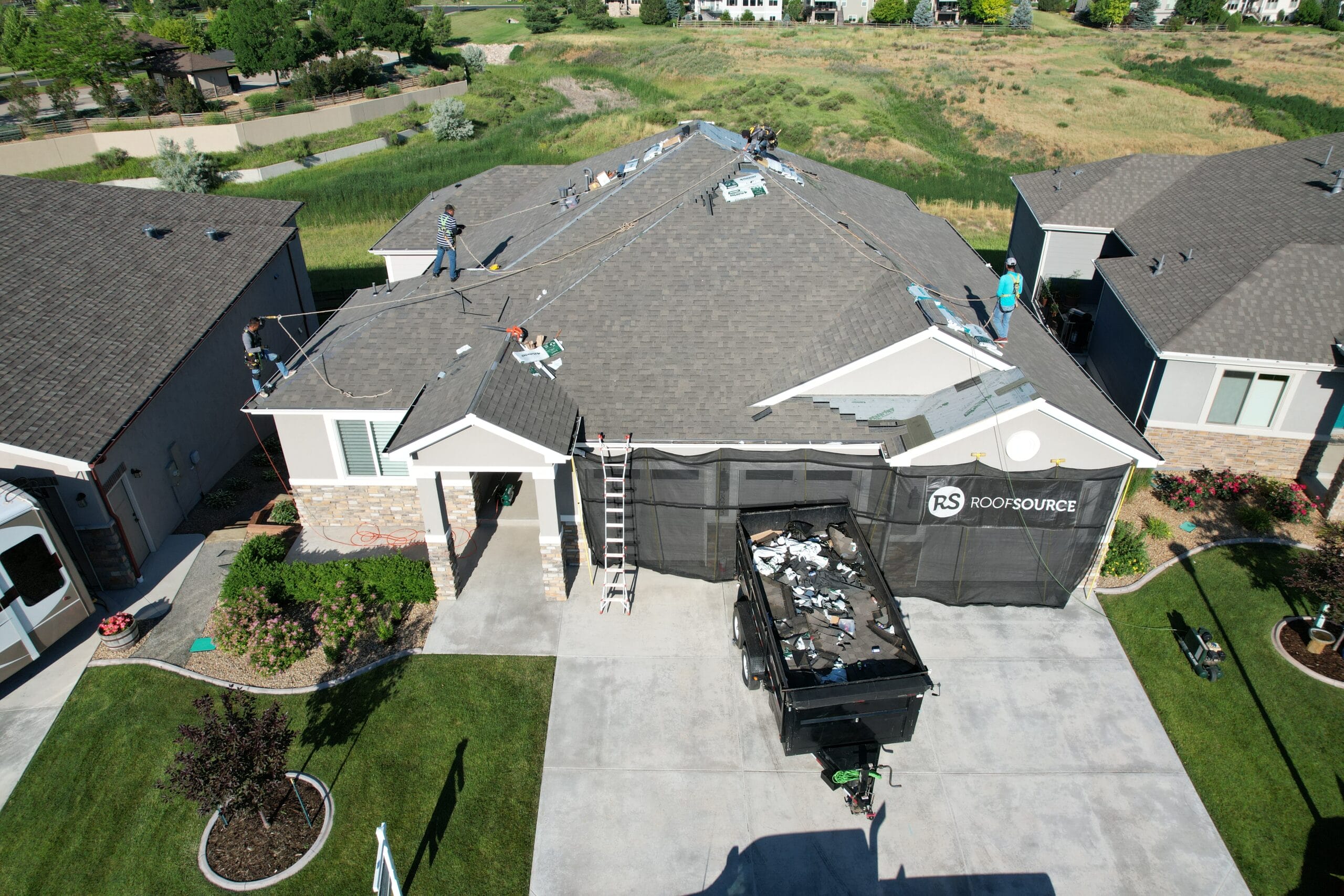
Your roof takes a beating in Colorado. Between hailstorms that roll through the Front Range without warning, heavy snow loads in the mountains, intense UV exposure at elevation, and freeze-thaw cycles that can work away at materials season after season, Colorado is genuinely one of the toughest climates a roof can face.
The good news is that most of the damage roofs sustain here is preventable, or at least manageable, with a consistent approach to maintenance. Understanding what to look for, when to act, and when to call a professional can add years to your roof’s life and save you a significant amount of money in the long run.
This guide covers everything Colorado homeowners need to know about residential roof maintenance, including seasonal tasks, warning signs, common repairs, and how to know when it’s time to stop patching and start planning for a replacement.
Why Roof Maintenance Matters More in Colorado
Most roofing materials are designed to handle average weather conditions. Colorado’s conditions are anything but average.
The state experiences some of the highest hail frequency in the country, with the Front Range sitting squarely in what insurance companies sometimes call “Hail Alley.” On top of that, high-altitude homes deal with UV radiation that breaks down roofing materials faster than at lower elevations. Winter brings heavy snow loads, ice dams, and freeze-thaw cycles that cause repeated stress on shingles, flashing, and underlayment.
The result is that roofs here often age faster than their rated lifespan suggests. A standard asphalt shingle roof might be rated for 25 to 30 years, but without proper maintenance, Colorado’s climate can shorten that considerably. Regular roof maintenance and repair can close that gap, helping your roof reach or even exceed its expected lifespan.
Seasonal Roof Maintenance in Colorado
One of the most effective things a homeowner can do is build a seasonal maintenance routine. Colorado’s distinct seasons each bring their own set of roofing risks, and addressing them proactively keeps small issues from turning into expensive ones.
Spring: Post-Winter Assessment
Spring is one of the most important times of year for home roof maintenance. After months of snow, ice, and freezing temperatures, your roof may have taken damage that isn’t immediately obvious from the ground.
Spring maintenance should include:
- A visual inspection from the ground. Walk the perimeter of your home and look for missing, curling, or lifted shingles. Check for areas where shingles appear darker or discolored, which can indicate moisture.
- Gutter cleaning. Gutters packed with debris from winter can cause water to back up under the roofline. Clear out leaves, needles, and any remaining ice melt residue.
- Checking for granule loss. Look in your gutters and at the base of your downspouts. Excessive granule buildup after winter is a sign your shingles are wearing out.
- Inspecting flashing around chimneys, skylights, and vents. Freeze-thaw cycles can loosen or crack flashing seals. These areas are among the most common entry points for water.
- Scheduling a professional inspection. A licensed roofer can spot things from up close that aren’t visible from the ground, including soft spots in the decking, compromised underlayment, and early signs of damage that haven’t surfaced inside the home yet.
Summer: Storm Season Preparation
Colorado summers bring intense afternoon thunderstorms, hail, and high winds. The best time to prepare for storm season is before it starts.
Summer maintenance tasks include:
- Trimming overhanging branches. Tree limbs that hang over your roof can scrape shingles during windstorms or come down entirely in severe weather. Keep branches trimmed back to reduce that risk.
- Checking attic ventilation. Proper ventilation is critical for preventing heat buildup in summer, which can prematurely age shingles from the inside out. Make sure ridge vents and soffit vents are clear and functioning.
- Documenting your roof’s current condition. Photos taken before storm season are valuable if you need to file an insurance claim after a hail event. They establish a clear baseline.
- Post-storm checks. After any significant hailstorm or high-wind event, do a visual scan of your roof and property. If you find shingle debris in the yard, dents on metal vents or gutters, or visible missing shingles, it’s time to call a roofer for a professional assessment.
Fall: Getting Ready for Winter
Fall is your last window to address any lingering issues before Colorado winters put your roof to the test. This is arguably the most important seasonal maintenance window for homes in higher elevations or areas with heavy annual snowfall.
Fall maintenance should include:
- Clearing the roof of debris. Leaves, pine needles, and other debris trap moisture against your roofing material, which accelerates deterioration. Get them off the roof before the first snowfall.
- Cleaning gutters and downspouts. Clear gutters are essential for proper drainage. When water can’t move freely off the roof, it backs up under shingles and causes damage that shows up as a leak later.
- Inspecting pipe boots and flashing seals. Rubber pipe boots around roof penetrations degrade over time and are one of the most common sources of roof leaks. Fall is a good time to inspect and replace any that are cracked or pulling away.
- Checking attic insulation. Proper insulation prevents the heat loss from the living space that causes ice dams to form along the eaves during winter.
Winter: Monitoring and Snow Management
In most cases, the best winter roof maintenance strategy is staying off the roof entirely. However, there are things you can monitor from the ground.
- Watch for ice dams. An ice dam forms when heat escaping through the roof melts snow, which then refreezes at the colder eave line. The telltale sign is a ridge of ice along the lower edge of the roof, sometimes with icicles. Left unaddressed, ice dams can force water up under shingles and into the home.
- Monitor snow load on low-pitched roofs. Most residential roofs in Colorado are built to handle typical snow loads, but unusually heavy or wet snowfall can stress the structure. If you’re seeing visible sagging or hearing unusual creaking, call a professional.
- Avoid DIY snow removal. Improperly removing snow from a roof with shovels or rakes can damage shingles and create liability risks. If snow removal is necessary, hire a professional with the right tools and techniques.
Common Roof Repairs in Colorado
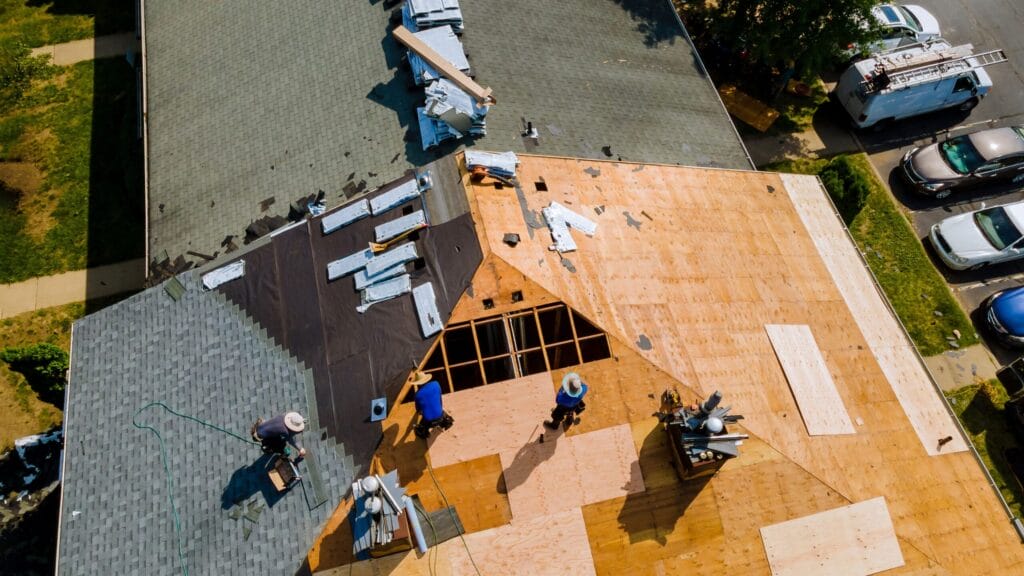
Even with solid preventive maintenance, Colorado’s climate means some repairs are nearly inevitable over a roof’s lifetime. Here’s what homeowners should be aware of.
Hail Damage
Hail is the most common cause of roof damage in Colorado. Depending on the size of hailstones and wind conditions, impact can range from minor granule loss to cracked or punctured shingles. The tricky part is that hail damage isn’t always obvious from the ground. Small impacts can compromise the structural integrity of a shingle without creating visible holes.
After any significant hailstorm, a professional inspection is worth scheduling. A trained roofer can identify impact damage and give you documentation to support an insurance claim if one is warranted.
Shingle Wear and Curling
Asphalt shingles naturally wear over time, but Colorado’s high UV exposure accelerates the process. When shingles start to curl at the edges or show significant granule loss, they’re no longer providing full protection. Depending on the extent, this may mean replacing individual sections or preparing for a full roof replacement.
Flashing Failures
Flashing is the metal material used to seal transitions around chimneys, skylights, vents, valleys, and walls. It’s one of the most important components of a watertight roof, and also one of the most commonly overlooked. When flashing corrodes, lifts, or separates from its seal, water finds its way in. This is especially common after freeze-thaw cycles.
Pipe Boot Deterioration
Rubber pipe boots are the collars that seal around plumbing vents and other roof penetrations. They typically last 10 to 15 years before the rubber begins to crack and pull away. Deteriorated pipe boots are one of the leading causes of residential roof leaks and are a relatively inexpensive fix when caught early.
Ice Dam Damage
When ice dams go unaddressed through the winter, the backed-up water can force its way under shingles and into the roof deck, causing moisture damage, rot, and interior water stains. Repairing ice dam damage typically involves addressing both the immediate water intrusion and the underlying cause, usually inadequate insulation or ventilation.
Gutter-Related Damage
Clogged or sagging gutters don’t just affect drainage. When gutters pull away from the fascia due to ice or debris weight, they can take roofing material with them. Keeping gutters properly maintained and securely attached is a simple way to avoid unnecessary roof damage.
How Do I Know If My Roof Needs Replacing?
This is one of the most common questions homeowners ask, and it’s not always a straightforward answer. Repair versus replacement comes down to a few key factors.
Consider replacement when:
- Your roof is approaching or past its expected lifespan. Most asphalt shingle roofs in Colorado perform well for 15 to 25 years, depending on material quality and maintenance history.
- Damage is widespread rather than isolated. When multiple areas of the roof are compromised, repairs become a patchwork solution that often costs more over time than a full replacement.
- You’re seeing signs of moisture damage in the attic or on interior ceilings. Water intrusion that has reached the decking or structure requires more than a surface repair.
- The roof has experienced significant hail damage across a large area. Insurance may cover replacement in this scenario, which changes the financial calculus considerably.
- Shingles are granule-depleted, curling, or brittle across the entire surface.
Repair may be sufficient when:
- Damage is limited to a small, well-defined area.
- The rest of the roof is in solid condition with several years of life remaining.
- The issue is isolated to flashing, pipe boots, or gutters rather than the roofing material itself.
When in doubt, a professional inspection is the most reliable way to assess where your roof stands. A reputable roofer will give you an honest assessment rather than pushing for a replacement when repairs will do.
Roof Maintenance Checklist for Colorado Homeowners
Use this checklist as a reference for staying on top of your home’s roof year-round.
| Task | When |
|---|---|
| Visual inspection from ground level | Every season |
| Clean gutters and downspouts | Spring and Fall |
| Clear roof debris (leaves, needles) | Fall |
| Inspect flashing around penetrations | Spring and Fall |
| Check and replace pipe boots as needed | Every 10-15 years or as part of spring inspection |
| Trim overhanging tree branches | Late spring or early summer |
| Inspect attic ventilation and insulation | Spring and before winter |
| Schedule professional roof inspection | At least once per year, after major storms |
| Document roof condition with photos | Before storm season |
| Post-storm damage check | After hail or high-wind events |
When to Call a Professional
Some roof maintenance tasks are reasonable for a homeowner to handle, like cleaning gutters from a ladder or doing a visual inspection from the ground. But anything that requires getting on the roof, assessing structural components, or making repairs should be left to a licensed professional.
Roofing is physically demanding and genuinely dangerous work. Beyond the safety risks, improper repairs can void manufacturer warranties, create new leak pathways, and lead to more expensive problems down the road.
If you’re noticing any of the following, it’s time to pick up the phone:
- Water stains on ceilings or walls
- Visible missing, cracked, or curled shingles
- Granules accumulating in gutters or at downspouts
- Ice dams forming along the roofline
- Sagging areas on the roof surface
- Unexplained increases in heating or cooling costs, which can signal poor attic ventilation
Protect Your Investment with Roof Source
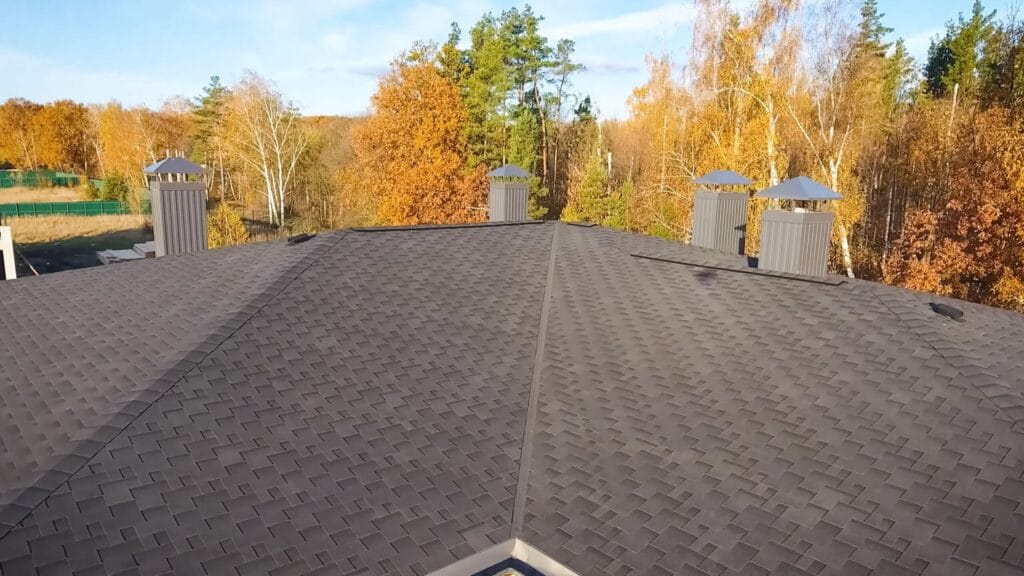
Keeping up with roof maintenance and repair in Colorado isn’t just about avoiding leaks. It’s about protecting the value of your home, keeping your family comfortable, and avoiding the kind of deferred maintenance that turns a manageable repair into a full-scale replacement.
At Roof Source, we offer professional roof inspections, preventative maintenance, and repair services for homeowners across Colorado. Whether you’re due for a routine inspection or dealing with storm damage, our team is ready to help.
Schedule Your Roof Inspection Today!
Frequently Asked Questions
How often should I have my roof inspected in Colorado?
At a minimum, once a year. Most roofing professionals recommend scheduling inspections in both the spring and fall to catch seasonal damage before it gets worse. You should also schedule an inspection after any significant hailstorm or wind event.
What is the most common roof repair in Colorado?
Hail damage is the most frequently reported roofing issue in Colorado, followed by flashing failures, worn pipe boots, and gutter-related damage. The Front Range in particular sees high hail activity, making impact-resistant shingles a worthwhile consideration for homeowners in those areas.
Can I do my own roof maintenance?
Some tasks, like gutter cleaning and ground-level visual checks, are reasonable DIY projects. Anything that involves getting on the roof, making repairs, or assessing structural components should be handled by a licensed roofing contractor for both safety and warranty reasons.
How do I know if my roof needs replacing or just repairing?
The key factors are the age of the roof, the extent of the damage, and whether deterioration is isolated or widespread. A professional inspection will give you the clearest picture. Generally speaking, if your roof is nearing the end of its expected lifespan and showing broad deterioration, replacement is often the more cost-effective long-term decision.
Does homeowner’s insurance cover roof damage in Colorado?
It depends on the cause. Damage from hail, wind, and certain storm events is typically covered under standard homeowner’s insurance policies. Damage resulting from wear and tear or lack of maintenance usually is not. After any storm event, it’s worth contacting your insurer and scheduling a professional inspection to document any damage.
What causes ice dams on Colorado roofs?
Ice dams form when heat escaping from the living space warms the roof deck, melting snow that then refreezes at the colder eave line. The root cause is usually inadequate attic insulation or ventilation. Addressing those underlying issues is the most effective long-term solution.

Published on
March 5, 2026
There are no blocks availables