Insights
How Long Does a Roof Last in Colorado?
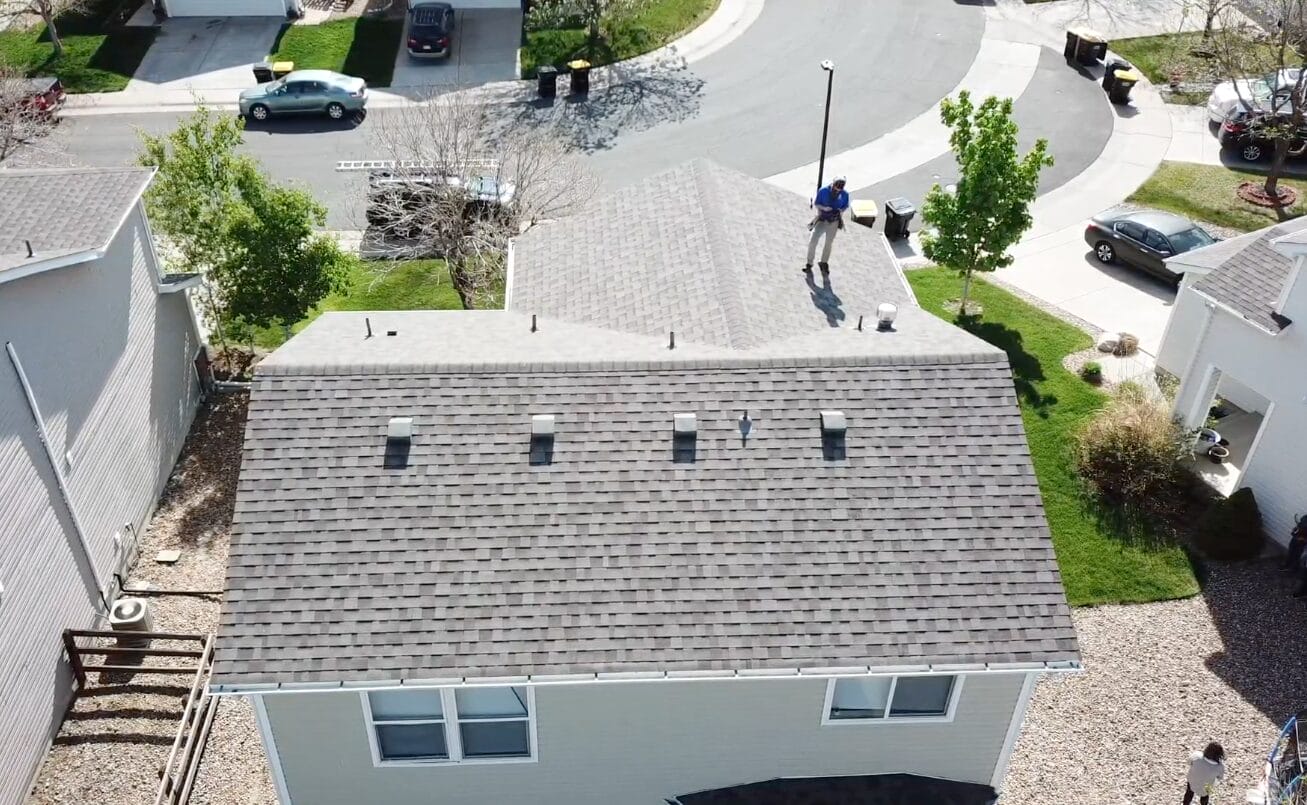
Colorado’s stunning views and diverse seasons come with a price: rapidly changing weather that can take a toll on your home’s roof. From hailstorms and heavy snow to intense UV exposure at high altitudes, the Centennial State is tough on roofing materials. So, how long does a roof last in Colorado?
The short answer: it depends. Let’s break down the factors that influence roof longevity and how to plan for the future.
4 Key Factors That Influence Roof Lifespan in Colorado
Several elements work together to determine how long a roof will last in the Colorado climate. These four stand out as the most important.
1. Harsh Weather Conditions
Colorado homes face year-round weather extremes. Spring hailstorms, summer wind and UV exposure, autumn rains, and heavy winter snow all affect roof longevity. Hail is particularly destructive along the Front Range, with higher elevations experiencing frequent freeze-thaw cycles.
These stresses weaken roofing materials, cause granule loss, and contribute to premature aging of roofs.
2. UV Exposure
The state’s high elevation intensifies solar radiation. Prolonged UV exposure dries out asphalt shingles, makes sealants brittle, and breaks down protective layers more quickly. South-facing slopes are especially vulnerable, often aging faster than other roof sections.
3. Roof Design and Pitch
Roofs with a low slope or poor drainage system tend to collect snow and standing water. Without proper waterproofing, this moisture can seep beneath the surface, leading to rot, mold, and deterioration. Roofs with steep pitches naturally shed snow and water more efficiently, often lasting longer.
4. Installation Quality and Maintenance
A roof is only as good as its installation. Poor workmanship, such as improperly aligned shingles or insufficient flashing, can lead to early failure. Regular preventative maintenance, like cleaning debris, checking for damage after storms, and maintaining attic ventilation, significantly extends a roof’s life and performance.
Average Lifespan by Roofing Material in Colorado
Not all roofing materials perform equally in Colorado’s tough climate. Here’s how long you can expect common options to last, along with important considerations.
Asphalt Shingles
Standard Lifespan: 15–25 years
Impact-Resistant (Class 4): 20–30 years
Asphalt shingles remain the most common residential roofing material in Colorado. They’re affordable, easy to install, and widely available. However, standard shingles can crack or lose granules when exposed to hail or extreme UV radiation. Upgrading to Class 4 impact-resistant shingles offers better protection and longer service life, making them a worthwhile investment for Colorado homeowners.
Metal Roofing
Lifespan: 40–70 years
Metal roofing systems offer excellent durability in Colorado’s demanding environment. They’re resistant to fire, snow, and hail, and their smooth surface allows snow to slide off easily, reducing snow load. When installed correctly, metal roofs also provide superior wind resistance and energy efficiency. However, they require professional installation to avoid issues like oil-canning or noise.
Metal roofing systems offer excellent durability in Colorado’s demanding environment. They’re resistant to fire, snow, and hail, and their smooth surface allows snow to slide off easily, reducing snow load. When installed correctly, metal roofs also provide superior wind resistance and energy efficiency. However, they require professional installation to avoid issues like oil-canning or noise.
Concrete or Clay Tile
Lifespan: 50+ years
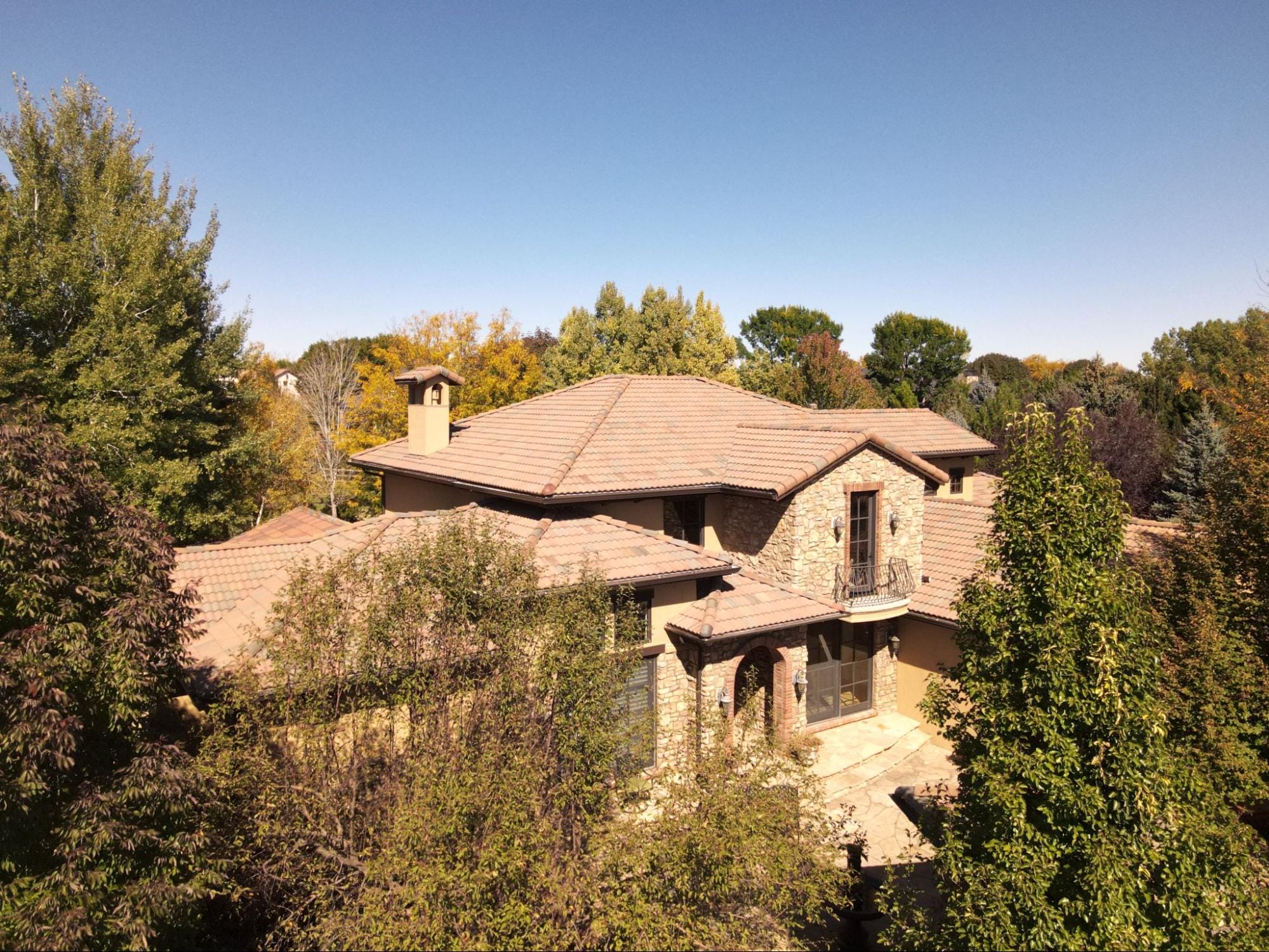
These heavy-duty tiles are prized for their durability and aesthetics, especially in Mediterranean or Southwestern-style homes. Concrete and clay tiles are naturally fire-resistant and stand up well to UV exposure. Still, their weight means homes need reinforced structural framing. They’re also more brittle under hail impact, so repairs may be necessary over time.
Slate
Lifespan: 75–100+ years
Slate offers unmatched longevity and an upscale appearance. It’s incredibly durable under most conditions, though its high cost and weight make it less common in Colorado homes. More importantly, slate can be susceptible to hail damage due to its brittleness, making it better suited for regions with lower impact risk.
Synthetic Roofing (Composite Shingles)
Lifespan: 30–50 years
Synthetic shingles mimic the look of natural materials like slate or wood shake while offering enhanced performance. Many synthetic products are engineered for impact and UV resistance, making them an ideal fit for Colorado’s variable climate. They are lighter in weight, often recyclable, and typically come with long warranties that add peace of mind.
Regional Expectations Across Colorado
Roofing performance and challenges can vary widely depending on the region. Here’s what Colorado homeowners should expect based on local climate and elevation.
Front Range (Denver, Boulder, Fort Collins)
High hail risk means shingles tend to wear out faster. Upgrading to Class 4 impact-resistant products is highly recommended.
Mountain Areas (Vail, Aspen, Breckenridge)
Snow load is a key concern. Metal roofs are favored due to their snow-shedding properties and resistance to ice dams.
Southern Colorado (Colorado Springs, Pueblo)
Prolonged sun exposure can dry and crack standard shingles over time. Materials with UV resistance are essential.
Signs Your Roof May Be Nearing the End of Its Life
- Curling, cracked, or missing shingles
- Bald spots from granule loss
- Water stains or leaks inside the home
- Sagging roof lines or soft areas
- Rising energy bills from poor insulation
How to Extend Your Roof’s Lifespan
Taking proactive steps can add years to your roof’s life and protect your home from unexpected repairs.
Annual Inspections
Schedule a professional roof inspection annually and after severe storms. This helps catch early signs of damage such as lifted shingles, cracked flashing, or soft spots, before they lead to leaks or structural issues. Routine inspections are especially critical in hail-prone or high-altitude areas, where damage often goes unnoticed until it becomes a bigger problem.
Maintain Gutters and Drainage
Clogged gutters can lead to water pooling on your roof and around the foundation. Clean your gutters regularly, especially during fall, to remove leaves, pine needles, and other debris. Downspouts should direct water away from the home. For homes with surrounding trees, gutter guards may also be worth considering.
Manage Snow Load
Excessive snow can put thousands of pounds of pressure on your roof. In mountain regions, use a roof rake to safely remove heavy snow from the edges of your roof after storms. Pay attention to areas prone to ice dams, as melting and refreezing water can push moisture beneath shingles. Proper attic insulation can also help reduce snow buildup.
Ventilation and Insulation
Your attic plays a key role in roof health. Without balanced ventilation, moisture can build up inside and contribute to mold, mildew, and wood rot. Good insulation helps regulate indoor temperatures, reduces the risk of ice dams, and keeps shingles from overheating during hot summers. A well-ventilated attic prolongs the life of both roofing materials and structural components.
Prompt Repairs
Even a minor leak or missing shingle can escalate into major damage over time. Make it a habit to check your roof after strong wind, hail, or heavy snowfall. When issues are found, act fast. Timely repairs prevent water intrusion, preserve your roof’s structural integrity, and often cost far less than larger fixes down the road.
Published on
January 7, 2026
There are no blocks availables