Insights
How Much Does a New Roof Cost in Colorado?
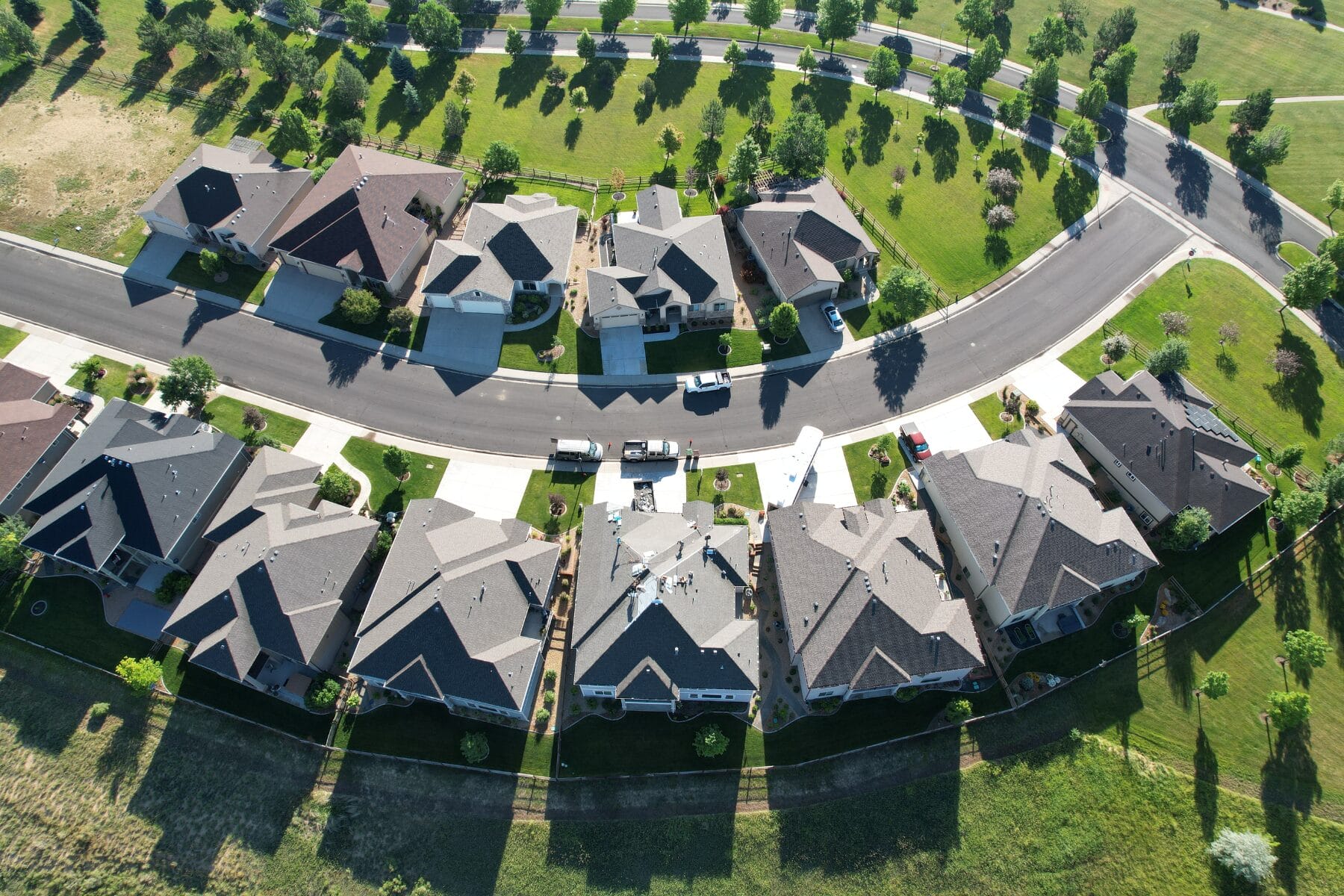
Replacing your roof is a significant investment, and understanding what drives the cost can help you plan and budget with confidence. For homeowners in Colorado, roof replacement costs vary widely based on several key factors, including location, materials, and home-specific details.
Instead of focusing on exact dollar amounts, this guide explores what influences the total cost so you can make informed decisions.
What Impacts the Cost of a New Roof in Colorado?
The average cost of a new roof in Colorado isn’t one-size-fits-all. Here are the primary factors that affect pricing:
Roof Size and Pitch
The larger your roof, the more shingles, underlayment, and flashing you’ll need, increasing both material costs and the time required to complete the job.
A steep pitch adds another layer of complexity. It requires specialized safety equipment and slows down the crew’s movement, both of which raise labor costs. Complex roof geometries or designs with multiple peaks and valleys may further affect the total expense.
Roofing Materials
Your choice of roofing material has one of the biggest impacts on your final cost. Here’s a breakdown of common residential roofing materials and what to expect:
- Asphalt Shingles: The most budget-friendly and commonly used material in Colorado, averaging $3.50 to $5.50 per square foot installed. Asphalt offers decent durability and ease of installation.
- Metal Roofing: A more durable and energy-efficient option, metal roofing is $7 to $12 per square foot installed on average. It’s resistant to snow, hail, and fire; ideal for Colorado’s climate extremes.
- Synthetic/Composite Roofing: Designed to mimic natural slate or shake, synthetic options are lightweight, durable, and require minimal maintenance. These materials can cost $8 to $14 per square foot installed.
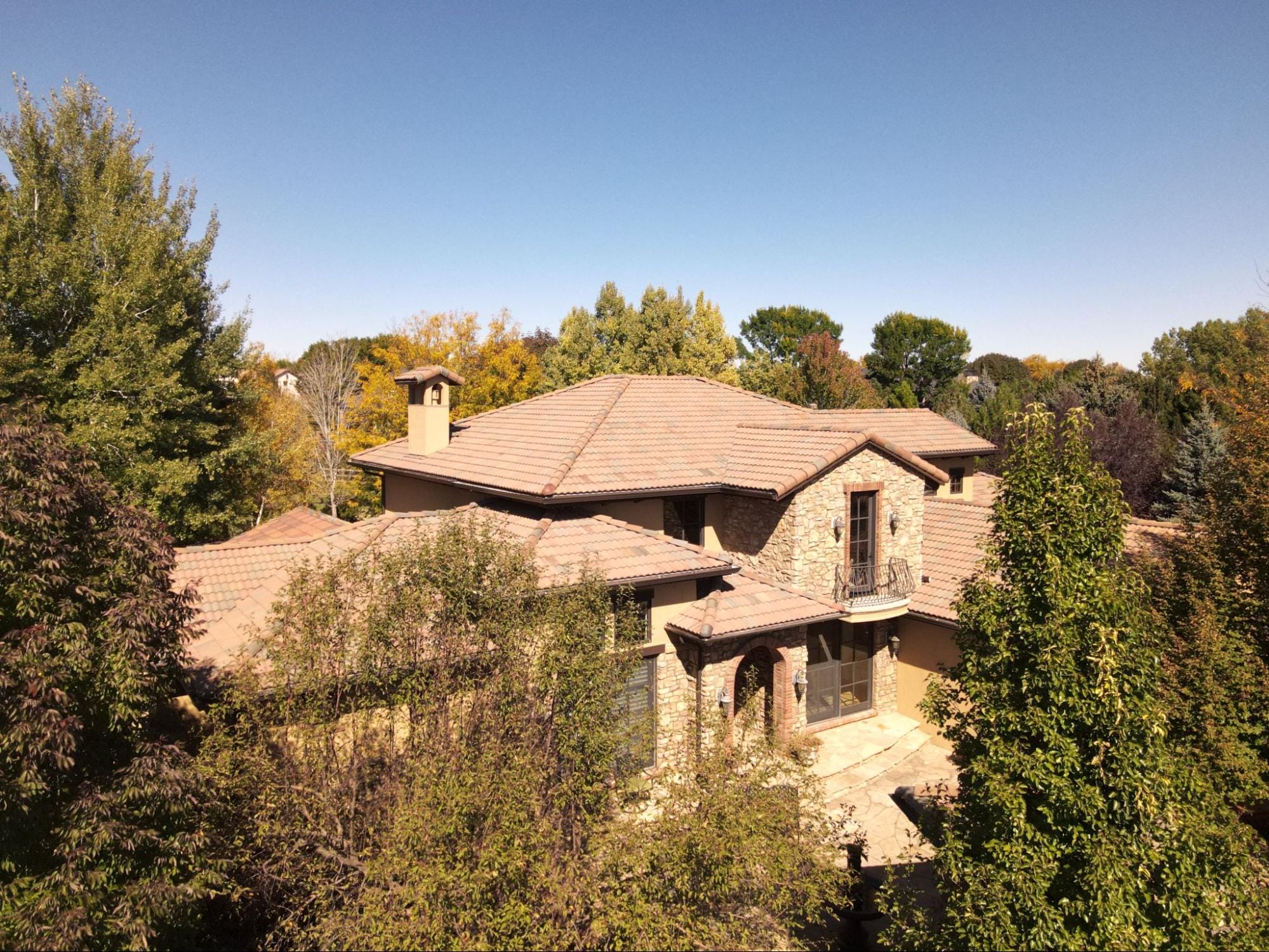
- Tile Roofing (Clay or Concrete): More of a high-end material that performs well in harsh weather and adds a distinctive architectural look. Averaging $10 to $18, Tile is heavier and may require structural reinforcement.
Ultimately, material choice significantly affects your initial investment, expected lifespan, curb appeal, and resale value.
Based off of these ranges, you can expect an estimated roof replacement to fall between these ranges:
| Home Square Footage |
Avg. Roof Replacement Cost (Asphalt) |
Avg. Roof Replacement Cost (Metal) |
Avg. Roof Replacement Cost (Synthetic) |
Avg. Roof Replacement Cost (Tile) |
|---|---|---|---|---|
| 1,000 | $4,680 | $9,430 | $11,500 | $15,160 |
| 1,500 | $7,020 | $14,145 | $17,250 | $22,740 |
| 2,000 | $9,360 | $18,860 | $23,000 | $30,320 |
| 2,500 | $11,700 | $23,575 | $28,750 | $37,900 |
| 3,000 | $14,040 | $28,290 | $34,500 | $45,480 |
| 3,500 | $16,380 | $33,005 | $40,250 | $53,060 |
Removal of Existing Roofing
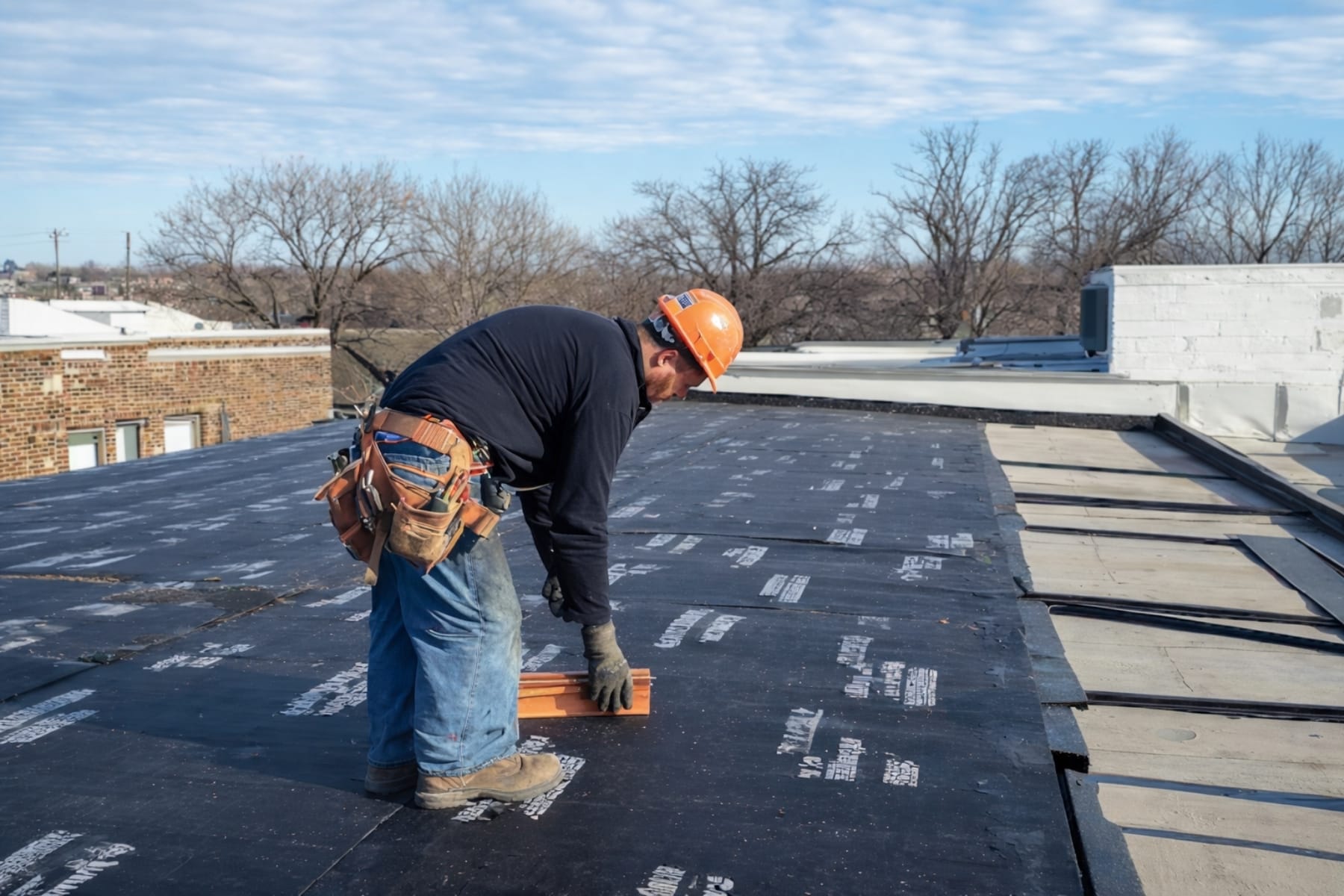
Tearing off an old roof adds cost, especially if your home has multiple layers of shingles, underlying water damage, or structural concerns. Disposal of old materials, hauling, and landfill fees can all contribute to the total cost. If decking repairs are required, costs may rise even further.
Roof Complexity
Roofs with features like valleys, dormers, skylights, or chimneys require more time, planning, and precision during both removal and installation. These details often demand additional flashing, sealing, and custom fitting, increasing both labor hours and materials needed.
Homes with difficult roof access, landscaping obstacles, or located in hard-to-reach areas may incur higher labor fees due to staging or equipment needs.
Permits and Local Code Requirements
Colorado municipalities, including Denver and Colorado Springs, have varying permit fees, inspection timelines, and unique building codes that may affect both your budget and project schedule.
In areas prone to wildfires or located at high elevations, homeowners may be required to use Class A fire-rated materials or UV-resistant underlayments. Some HOAs also enforce specific aesthetic or material guidelines that can impact your choices.
Labor Rates in Colorado
Labor costs fluctuate based on contractor availability, time of year, and the local economy. Urban hubs like Denver, Boulder, and Fort Collins typically command higher labor rates due to demand and cost of living, while smaller towns may have more competitive pricing.
Additionally, roofing projects during peak seasons, such as late spring through early fall can come with premium labor fees due to high scheduling volume.
Average Roof Replacement Costs Across Colorado
While actual numbers vary, online estimates and industry sources suggest that most homeowners in Colorado can expect a roof replacement to fall within a broad range. Factors like material type and roof size make a big difference:
- Asphalt shingles: Lower cost, shorter lifespan (15–25 years)
- Metal roofing: Higher upfront cost, but lasts 40+ years
- Tile or slate: Premium materials with premium pricing
Homeowners in Denver or Colorado Springs may pay slightly more than those in rural areas due to regional labor and code requirements.
Regional Cost Comparisons
If you’re wondering how Colorado stacks up against neighboring states, you’re not alone. Understanding how roof replacement prices compare can offer a helpful frame of reference:
- Utah & Wyoming: These states often report slightly lower average replacement costs due to more relaxed permitting requirements and lower labor demand.
- New Mexico: Comparable to southern Colorado markets, especially in rural areas where material costs and contractor rates tend to be lower.
- Arizona: Prices may vary more widely depending on urban density, but materials like tile are more common due to the hot, dry climate.
- Kansas & Nebraska: In areas with similar weather patterns and seasonal storms, roof replacement costs are often on par with Colorado, especially for asphalt shingles.
Overall, Colorado’s roofing costs are considered moderate to high due to elevation-specific material needs, hail zone considerations, and strong seasonal demand.
Special Considerations for Colorado Homes
Colorado’s unique climate introduces roofing challenges not present in other states:
Hailstorms
Impact-resistant shingles or reinforced materials may be required, especially in the Front Range. Insurance carriers may also influence material selection.
Snow Load and Ice Dams
Roofs in mountainous areas need to withstand heavy snow accumulation. Ventilation and insulation are critical to preventing freeze-thaw damage.
High Elevation UV Exposure
At higher altitudes, materials degrade faster due to increased UV exposure. This makes selecting durable materials and UV-rated underlayment especially important.
Additional and Hidden Costs to Watch For
While most homeowners budget for visible costs like shingles and labor, many projects come with additional expenses that can impact the final bill:
- Structural Repairs: During tear-off, contractors may discover rotted decking, sagging rafters, or other underlying structural damage that must be addressed before new materials can be installed.
- Ventilation Upgrades: Adequate ventilation is essential for extending the life of your roof and meeting code. Upgrades may be necessary to reduce moisture buildup and improve attic airflow.
- Permitting and Inspections: Fees vary by city, and some municipalities require multiple inspection visits. These steps ensure compliance but can add time and expense.
- Code Compliance Upgrades: Homes with older roofs may require new fire-rated materials, underlayment, or additional ice and water shields to meet modern codes.
- Waste Disposal and Cleanup: Debris removal, dumpster rentals, and thorough site cleanup are often line items not included in base quotes.
Factoring in these hidden costs can help you avoid budget overruns and ensure a smoother project experience.
5 Tips for Budgeting Your Roof Replacement
Roof replacement is a major investment, and being financially prepared can help you avoid sticker shock and stay within budget. Here are a few essential strategies to guide your planning:
1. Get Multiple Estimates
Request quotes from at least three reputable roofing contractors. This allows you to compare not only the pricing but also the scope of services offered, timelines, and warranties.
2. Clarify What’s Included
Review every quote carefully. Ensure it outlines all materials, underlayment, ventilation upgrades, warranties, labor charges, and cleanup responsibilities. Transparency here can prevent costly surprises later.
3. Plan for Surprises
Even with a thorough inspection, some damage may be hidden until the old roof is removed. Budget a contingency fund of 10–15% for unexpected repairs like decking replacement or structural reinforcement.
4. Ask About Financing
Many roofing companies offer flexible financing options, including low-interest payment plans or seasonal promotions. Ask what’s available so you don’t delay urgent repairs due to budget constraints.
5. File Insurance if Applicable
If your roof was damaged by hail, wind, or storms, check your homeowner’s policy. You may be eligible for partial or full reimbursement, significantly reducing your out-of-pocket costs.
Get a Custom Quote

Every roof is different, and the only way to know your true replacement cost is to get a professional inspection and quote. Local roofers understand Colorado’s climate, permitting requirements, and structural challenges.
Need help budgeting for a new roof?
Request a personalized estimate from Roof Source and explore the best options for your home.
Schedule Your Roof Inspection Today!
Frequently Asked Questions
How much does a roof cost in Colorado?
It depends on your roof’s size, complexity, and material. Average estimates range widely but typically fall between $10,000–$25,000 for residential asphalt shingle roofs.
What’s the average cost of roof replacement in Denver?
In metro areas like Denver, labor rates may push pricing higher. Expect a slightly higher range due to permit costs and demand.
Is insurance likely to cover my roof replacement?
If damage is due to hail, wind, or other covered events, your homeowner’s policy may pay partially or in full.
Do materials affect long-term value?
Yes, metal and premium shingles last longer and may improve energy efficiency, while also increasing your home’s resale value.
Published on
January 28, 2026
There are no blocks availables