Insights
Can You Put Shingles on a Flat Roof?
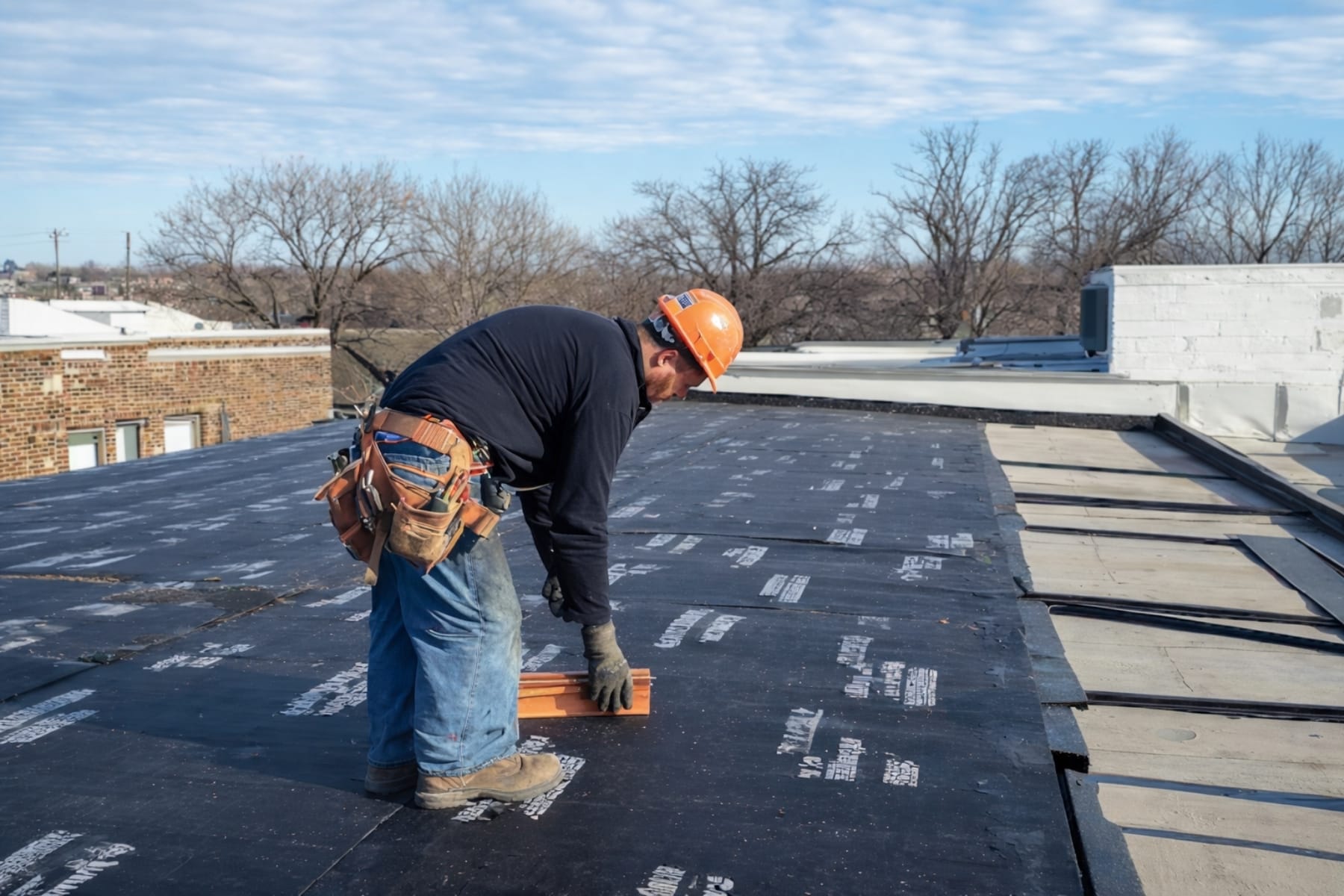
Short answer: no, shingles aren’t built for flat roofs, and installing them can lead to major issues like leaks, rot, and premature failure. Here’s what you need to know before making a costly mistake.
Short answer: no, shingles aren’t built for flat roofs, and installing them can lead to major issues like leaks, rot, and premature failure. Here’s what you need to know before making a costly mistake.
Why Roof Pitch Matters
One of the first things a roofing contractor considers is roof pitch. This measurement determines how steep the roof is and what materials are actually suitable. Roof pitch is typically expressed as a ratio, such as 4:12, meaning the roof rises 4 inches for every 12 inches of horizontal span.
Any roof with a pitch lower than 2:12 is generally considered a flat or low-slope roof. At this pitch or below, water no longer drains efficiently by gravity alone. That’s a problem for shingles, which rely entirely on slope and layering to shed water. Without proper drainage, moisture builds up, causing long-term damage and structural decay.
Understanding pitch helps avoid premature roof failure. Installing the wrong material on the wrong slope is one of the most common and most expensive mistakes building owners make.
Why Shingles and Flat Roofs Don’t Mix
While asphalt shingles are reliable and attractive for sloped roofs, they simply don’t work the same way on flat surfaces. Here’s why:
Drainage Fails
Shingles are water-shedding, not waterproof. When laid flat, water pools slowly seeping between seams. This can lead to interior leaks and material breakdown. Without adequate slope, even a brand-new shingle roof is vulnerable.
Reduced Lifespan
A shingle roof can last 20–30 years on a slope. Install them on a flat surface, and they might not last 5 years. Constant moisture, UV exposure, and freeze-thaw cycles accelerate wear. Adhesives weaken, underlayment saturates, and damage sets in faster than you’d expect.
Warranty is Void
Manufacturers design shingles for pitched applications. Use them on a flat roof, and you’ll likely lose warranty coverage, meaning repairs come out of pocket. Some manufacturers even specify a minimum slope requirement in their installation guidelines.
Common Problems When Shingling a Flat Roof
Thinking of trying it anyway? Here’s what you risk:
- Chronic leaks in ceilings and walls
- Mold and mildew buildup in your attic
- Decking rot and structural weakening
- Insurance issues or failed roof inspections
Even if the roof looks fine at first, hidden moisture damage builds up quickly beneath the surface. The cost to repair water damage can far exceed the original installation price.
5 Better Materials for Flat Roofs

So if shingles are off the table, what’s the right move? Flat and low-slope roofs require materials that are waterproof, not just water-shedding. These options are built to seal out moisture, resist UV damage, and expand/contract with temperature changes.
1. TPO (Thermoplastic Polyolefin)
This single-ply white membrane is one of the most popular materials for flat roofing thanks to its energy efficiency and affordability. TPO is heat-welded at the seams to create a watertight seal, making it highly resistant to leaks. Its reflective surface helps reduce cooling costs in hot climates, and its lightweight structure makes installation easier. It’s ideal for both residential and light commercial applications.
2. EPDM (Rubber Membrane)
EPDM is a synthetic rubber roofing material known for its durability and flexibility. It comes in large sheets, which minimizes seams and potential leak points. Black in color, EPDM absorbs heat, making it better suited for colder climates. It’s simple to install, often lasts 25–30 years, and resists UV damage, punctures, and weathering.
3. Modified Bitumen
Modified bitumen is a layered, asphalt-based system reinforced with polyester or fiberglass. It can be installed using torch-down or cold adhesive methods. Its strength lies in the heat-welded seams, which form a waterproof barrier. It also offers strong resistance to foot traffic and is a solid choice for building owners who want a balance of cost, performance, and ease of repair.
4. Built-Up Roofing (BUR)
BUR systems consist of alternating layers of asphalt and felt, finished with gravel or a reflective coating. Known for their strength and long lifespan, BUR roofs are exceptionally resistant to water and heavy use. While they are heavier and take longer to install, they’ve been used successfully for over a century on flat and low-slope buildings.
5. Standing Seam Metal (Low Slope Only)
Standing seam metal roofing is a sleek, long-lasting option for low-slope (not fully flat) roofs. These panels lock together with raised seams that help direct water away from the surface. Though not suitable for zero-pitch roofs, this material works well on slightly pitched surfaces and offers excellent durability and resistance to the elements, along with a modern look.
How to Choose the Right Roofing System
Not all flat roofs are the same, and choosing the right material depends on a few important factors. A roofing solution that works for one roof or building may not be ideal for another, so it’s essential to match the roofing system to your specific needs:
- Your climate (snow load, rainfall, UV exposure, and temperature swings)
- Your budget (both initial cost and long-term maintenance savings)
- How long you plan to own the property (short-term vs. long-term value)
- Maintenance expectations (some materials require more upkeep than others)
For example, if you’re in a hot climate and want to improve energy efficiency, TPO may be the ideal choice thanks to its reflective properties. If you’re looking for proven durability with low upkeep, BUR has decades of success behind it. Modified bitumen may suit those who need a flexible, reinforced solution for moderate climates.
The best course of action is to speak with a qualified roofing contractor who can assess your structure, identify specific risks, and help guide you toward the right fit in terms of material, performance, and return on investment.
Maintenance Tips for Flat Roofs
Flat roofs need consistent upkeep to avoid costly surprises. Here are a few best practices:
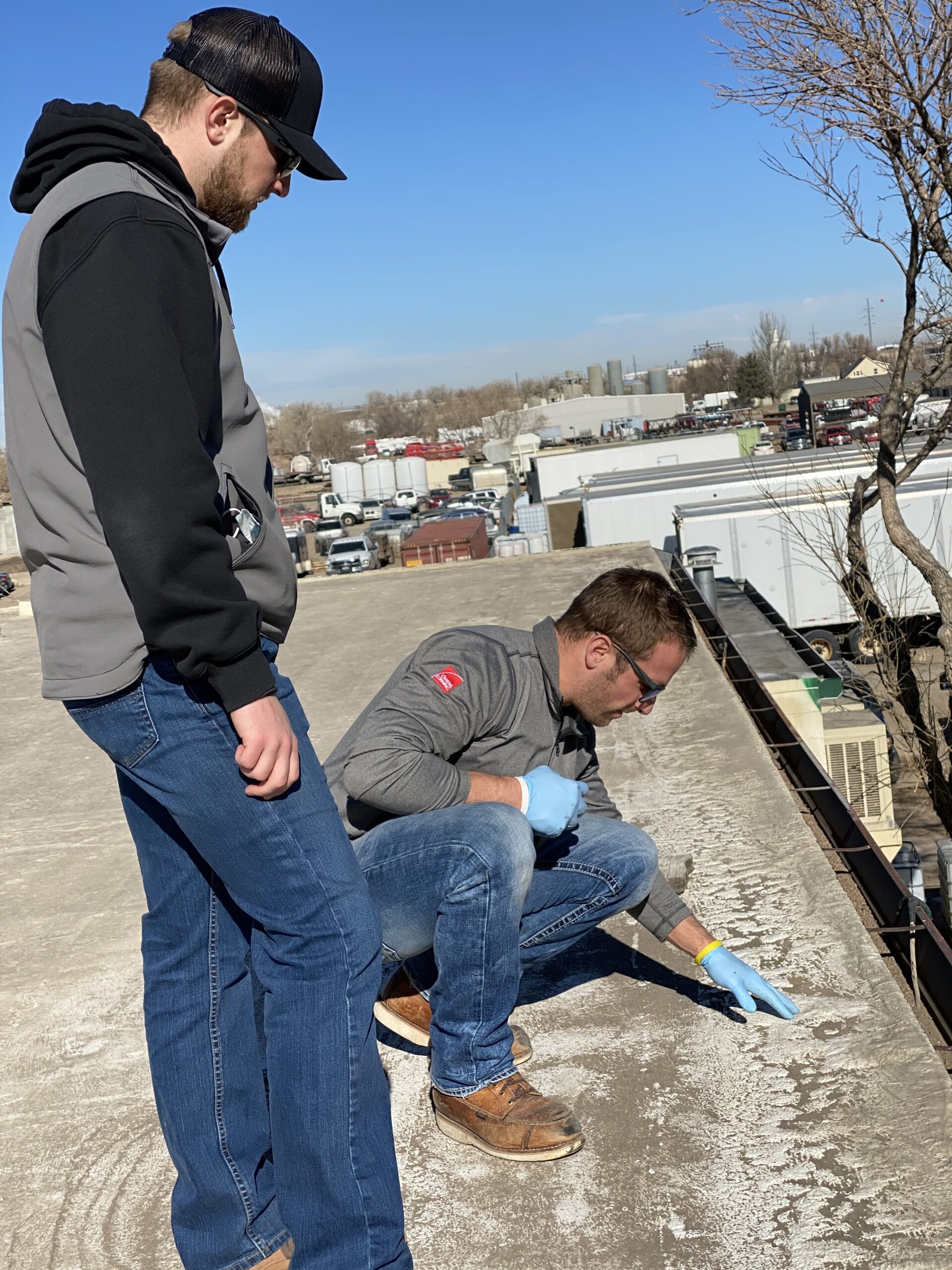
- Inspect twice per year for cracks, blisters, or drainage issues
- Clear all drains, scuppers, and gutters regularly
- Limit foot traffic, use walk pads or boards
- Address any pooling water or minor damage early
Unlike pitched roofs, flat roofs can’t rely on gravity to carry water away. Proactive maintenance can add years to the life of your roof and prevent major damage.
Final Verdict: Don’t Put Shingles on a Flat Roof
Can you put shingles on a flat roof? Technically yes. Should you? Absolutely not.
Flat roofs require specialized systems that protect against standing water. Shingles aren’t up to the task. Choosing the right material now can save thousands on future repairs and give your building lasting protection.
Need help with a flat roof replacement or repair?
Our expert team at Roof Source can inspect your property and recommend the best-fit solution. We specialize in low-slope and flat roof systems that are built to perform and built to last.
Published on
January 21, 2026
There are no blocks availables