Insights
Denver, CO Roofing Codes: What Homeowners Need to Know
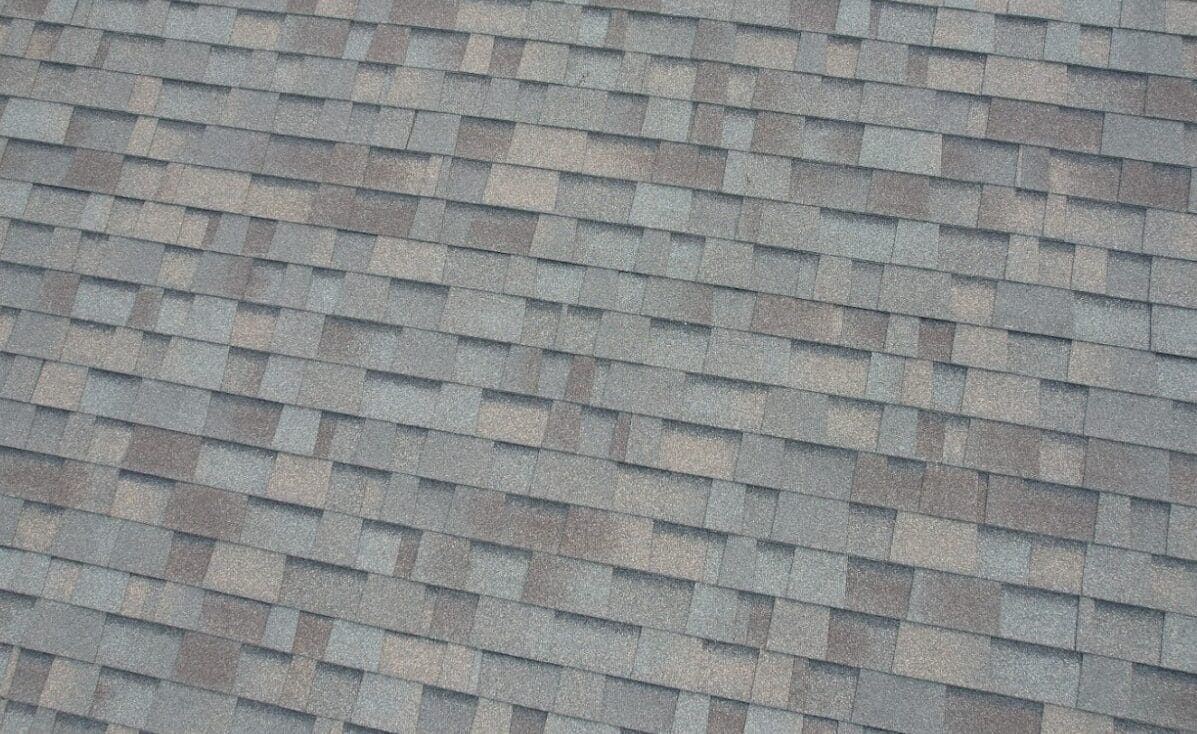
Installing or replacing a roof in Denver isn’t as simple as picking materials and scheduling a crew. The City and County of Denver enforces strict roofing codes to ensure that all structures can withstand the area’s climate, including snow, hail, wind, and temperature swings.
Whether you’re a homeowner tackling your first roof project or a contractor working locally, it’s important to understand Denver’s building code requirements.
Overview of Denver Roofing Codes
Denver follows the 2018 International Residential Code (IRC) and International Building Code (IBC), each customized with city-specific amendments. These regulations establish guidelines for roofing materials, slope and drainage, ventilation, wind and snow loads, fire protection, and energy efficiency.
As of December 31, 2025, the city implemented its most recent updates to the Denver Building and Fire Code, which enhance existing requirements by incorporating stricter performance standards, expanded insulation guidelines, and improved moisture and heat management protocols. These updates reflect Denver’s growing emphasis on sustainable construction and climate resilience.
When Permits Are Required
A roofing permit from the Denver Community Planning & Development Department is typically required for most substantial roofing projects. Specifically, permits are necessary for:
- Replacing more than 10% of the total roof surface or over two roofing squares (200 sq ft)
- Installing new roof penetrations such as vents, skylights, chimneys, or solar panels
- Making structural alterations to the roof framing or deck
In addition, permits are also commonly required if the work impacts the roof’s fire classification, load-bearing capacity, or energy code compliance.
On the other hand, minor repairs or roof maintenance such as patching small areas, resealing flashing, or applying protective roof coatings without structural changes, do not usually require a permit. However, it’s always recommended to confirm specific requirements with Denver’s permitting department, as codes are subject to change.
Roofing Material Guidelines
Not all roofing materials are acceptable in Denver due to the city’s variable climate and elevation-related stressors. All approved products must meet minimum thresholds for wind, fire, and impact resistance to ensure long-term performance and safety. Below are key standards you’ll need to meet:
- Wind Resistance: Roofing systems must be engineered to withstand Denver’s high wind zones, especially on multi-story and exposed structures.
- Fire Classification: Most roofing materials are required to carry a Class A fire rating, which offers the highest resistance to flame spread and is crucial for wildfire-prone areas near the foothills.
- Ice & Water Shield: This self-adhering membrane is mandatory along roof eaves, valleys, and around penetrations to protect against ice dams and wind-driven rain infiltration during freeze-thaw cycles.
- Drip Edges & Flashing: Drip edges must be installed at all roof edges, and flashing should be placed at all penetrations and transitions (e.g., chimneys, sidewalls) to prevent water intrusion and ensure a watertight system.
- Impact Resistance: Many neighborhoods require or recommend Class 3 or 4 impact-rated shingles or materials to reduce hail damage, which is a frequent concern in Denver.
Layer Limits and Tear-Off Rules
Denver allows no more than two layers of roofing material. If two existing layers are already in place, the roof must be completely removed before applying a new system. Tear-offs are also mandatory if there is damage to the roof decking or water intrusion.
Inspections and Compliance
Inspections are mandatory to ensure roofing projects adhere to Denver’s code requirements and safety standards. They serve as checkpoints to identify issues before they become costly or hazardous.
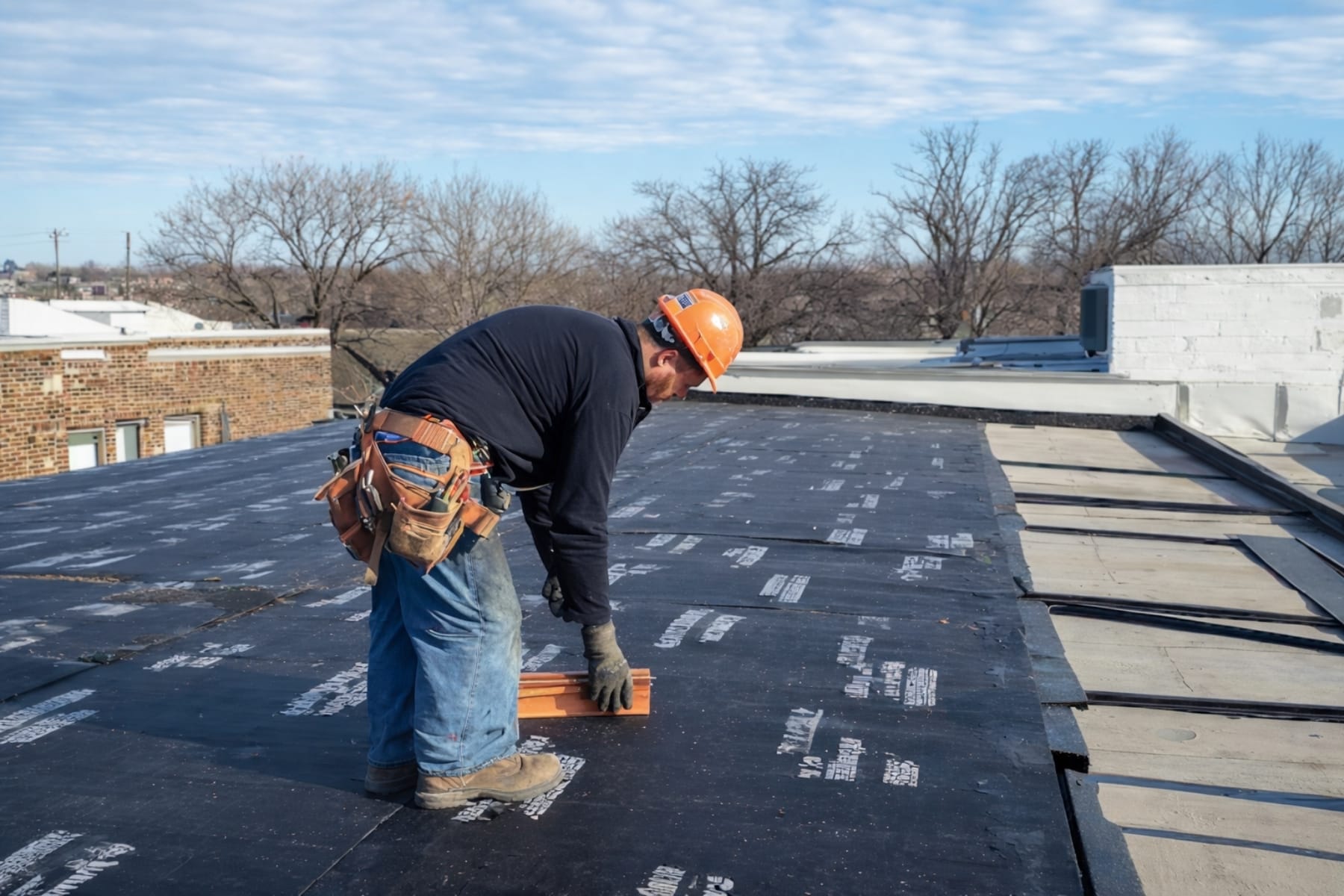
- Pre-Work or Mid-Roof Inspection: Often required after tear-off and underlayment installation. Inspectors verify materials, fastening methods, ventilation components, and compliance with slope and drainage standards.
- Final Inspection: Confirms all work is complete, weatherproofed, and installed according to approved plans and local code. This includes flashing placement, fire-resistance ratings, and structural tie-ins.
Failure to comply with inspections can result in rework, delays, penalties, or denial of occupancy or insurance coverage. It’s important to coordinate inspections with licensed contractors familiar with Denver’s specific procedures and timelines.
Green Building Requirements
Roofs on buildings larger than 25,000 sq ft must comply with Denver’s Green Building Ordinance, which aims to improve energy efficiency, reduce urban heat island effects, and support long-term sustainability goals. Compliance options may include the installation of cool roofs that reflect more sunlight and absorb less heat, designing the roof to be solar-ready for future panel installation, or using reflective and energy-efficient materials that meet or exceed thermal performance standards.
Other potential pathways to compliance may involve incorporating green space (like rooftop gardens), integrating on-site renewable energy systems, or meeting LEED certification requirements. Building owners must submit documentation outlining how they plan to meet the ordinance, and roofing professionals should be well-versed in the evolving compliance criteria to guide clients effectively.
Licensed Contractor Requirement
Only licensed and insured roofing contractors are authorized to obtain permits and carry out roof installations in the City and County of Denver. These contractors must be registered with Denver’s Community Planning & Development Department and adhere to all code requirements. This licensing ensures that the contractor is knowledgeable about local codes, has met minimum competency standards, and carries the proper insurance to protect property owners.
Hiring unlicensed labor may seem like a cost-saving move, but it often leads to failed inspections, fines, stop-work orders, or even the requirement to redo non-compliant work. More critically, it can expose homeowners to liability in the event of an accident or property damage during the project. Always verify that your roofing contractor has a valid license and active insurance before beginning any work.
Why Roofing Codes Matter
Roofing codes protect homeowners by ensuring structural integrity, energy efficiency, fire safety, and water resistance. Non-compliant work may void manufacturer warranties, cause costly damage, or make your home difficult to insure or sell.
Need Help Navigating Roofing Codes?
Roof Source is well-versed in Denver roofing codes and permitting requirements. We ensure every project is code-compliant and built to last. Reach out today for expert guidance and a free inspection.
Published on
December 12, 2025
There are no blocks availables