Insights
What Type of Roof is Best for Colorado Homes?
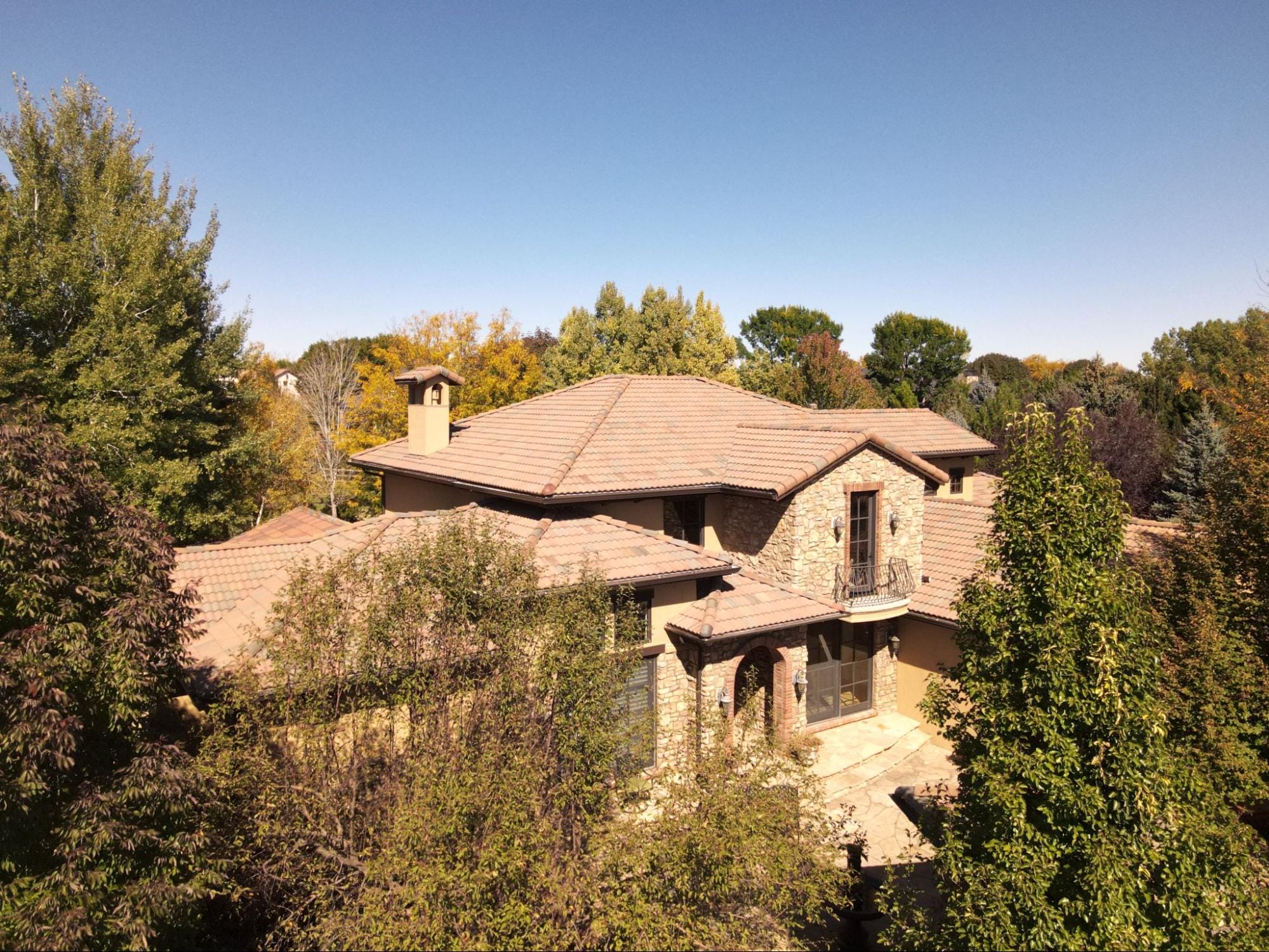
Choosing the right roof for your Colorado home is about more than just looks. With everything from hailstorms and heavy snow to blazing sun and wildfire risks, the Centennial State’s diverse climate demands roofing materials that can stand up to it all.
In this article, we’ll explore which roofing materials perform best and what factors homeowners should consider when making a long-term investment in their roof.
Key Climate Factors That Affect Roof Choice in Colorado
Colorado’s varied elevation and weather conditions make roofing decisions particularly important. When selecting roofing materials, homeowners should account for:
- Hail and Wind: Hailstorms are common across Colorado, especially on the Front Range. Strong winds can also be damaging, so impact resistance and wind rating are essential.
- Snow and Ice: Higher elevations see significant snow loads, while freeze-thaw cycles can weaken materials over time.
- Intense Sun and UV Exposure: At elevation, UV rays are stronger and can degrade some roofing materials faster than in lower-altitude climates.
- Wildfire Risk: Some areas are prone to wildfires, making fire-resistant roofing crucial.
- Building Codes and HOA Restrictions: Local rules may limit material or color choices.
5 Best Roofing Materials for Colorado Homes
Colorado homeowners have no shortage of roofing material options, but not all products are built to handle the state’s unpredictable weather. Here’s a breakdown of the most reliable choices.
1. Asphalt Shingles
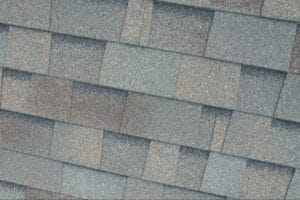
- Pros: Affordable, widely available, easy to install, available in impact-resistant (Class 4) varieties
- Cons: Shorter lifespan compared to premium materials, may require more frequent replacement in extreme climates
- Best for: Homeowners seeking a cost-effective and versatile option that meets local building codes and insurance standards
Asphalt shingles remain one of the most popular choices for Colorado homes. They offer broad compatibility with many architectural styles and are cost-effective for homeowners looking to replace or install a roof without breaking the bank. Impact-resistant varieties provide added protection in hail-prone regions, making them especially valuable across the Front Range.
2. Metal Roofing
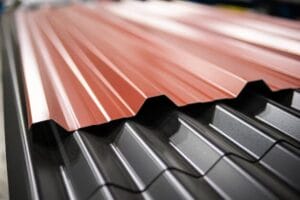
- Pros: Excellent for snow shedding, long lifespan, fire resistant, low maintenance, energy-efficient
- Cons: Higher upfront cost, potential noise during rain or hail without proper insulation
- Best for: Mountain regions, wildfire-prone areas, homeowners seeking durability and long-term value
Metal roofing is a top performer in snowy, high-altitude areas thanks to its ability to shed snow quickly and resist ice dams. It’s also ideal for wildfire zones, offering exceptional fire resistance. Though the initial investment is higher, its longevity and minimal maintenance make it a cost-effective option over time.
3. Tile Roofing (Concrete or Clay)
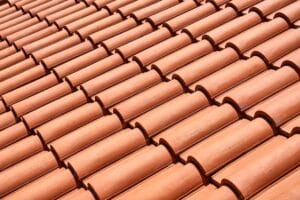
- Pros: Durable, stylish, fire resistant, excellent thermal insulation
- Cons: Heavy—requires structural support, can be costly to install and repair
- Best for: Mediterranean-style homes, Front Range areas with warm, dry climates
Tile roofs offer distinctive curb appeal and superb longevity. They’re well-suited to homes with the proper structural support, particularly in parts of Colorado where aesthetics and fire resistance are top priorities. Keep in mind the added weight and installation complexity when considering this material.
4. Slate Roofing
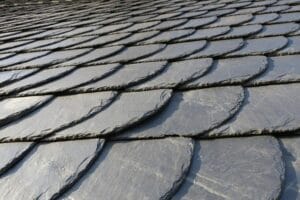
- Pros: Premium appearance, extremely long-lasting, fireproof
- Cons: High cost, weight concerns, susceptible to hail damage
- Best for: High-end homes where longevity and aesthetics matter
Slate provides timeless beauty and can last a century or more, making it a worthy investment for luxury properties. However, its brittleness in hail and significant weight mean it’s best used where style and durability outweigh cost and weather vulnerability.
5. Synthetic Roofing (Composite Shingles)

(Photo Courtesy of CEDUR)
- Pros: Lightweight, impact-resistant, mimics natural materials, low maintenance
- Cons: Higher upfront cost compared to asphalt
- Best for: Homeowners seeking aesthetics plus durability in challenging weather conditions
Synthetic roofing offers the look of slate or shake without the drawbacks. These materials are engineered to handle hail, wind, and UV exposure, making them one of the most adaptable options for Colorado homeowners who want style without sacrificing performance.
Roofing Material Comparison Table
Use this quick-reference table to compare key attributes of each roofing material at a glance.
| Material | Lifespan | Hail Resistance | Fire Resistance | Cost |
|---|---|---|---|---|
| Asphalt Shingles | 20–30 years | Good (Class 4 available) | Moderate | $ |
| Metal | 40–70 years | Excellent | Excellent | $$–$$$ |
| Tile | 50+ years | Moderate | Excellent | $$$ |
| Slate | 75–100+ years | Poor (can crack) | Excellent | $$$$ |
| Synthetic | 30–50 years | Excellent | Varies | $$–$$$ |
Best Roof Shingles for Colorado Homes
Some shingles are engineered specifically to handle Colorado’s demanding weather. Look for shingles with Class 4 impact ratings to better withstand hail and wind.
Top-performing products include:
These shingles are reinforced with polymer-modified asphalt for flexibility and impact resistance, making them ideal for hail-prone areas.
Other Considerations When Choosing a Roof
Beyond the type of roofing material, several lifestyle and structural factors can influence the best choice for your home. These elements ensure that your new roof supports both functional needs and long-term comfort.
- Home Design: The roof should complement your home’s architecture and neighborhood. Consider factors like color, pitch, and how the material matches your exterior style.
- Energy Efficiency: Reflective materials and proper insulation can reduce cooling costs in the summer and keep heat in during colder months, leading to long-term energy savings.
- Insurance Discounts: Installing Class 4 impact-resistant shingles may qualify you for reduced insurance premiums, especially in hail-prone areas.
- Noise Reduction: Some roofing materials, like tile and synthetic, offer better sound dampening, which may be ideal if your home is near busy roads or under a flight path.
- Environmental Impact: If sustainability is a priority, explore materials with recycled content or those that can be recycled at the end of their life cycle.
Insurance and Warranty Considerations
Before committing to a roofing material, it’s important to understand how warranties and insurance can protect your investment. Some materials come with longer warranties that cover defects or premature wear, while others offer limited protection. Additionally, working with a licensed, reputable contractor ensures your roof meets code and helps avoid scams or installation errors that could void warranties.
Your homeowner’s insurance may also offer discounts for certain types of roofing, particularly impact-resistant materials that reduce hail damage. Confirm with your provider whether upgraded materials qualify and what documentation is required for savings.
Choose What Works Best for Your Colorado Home
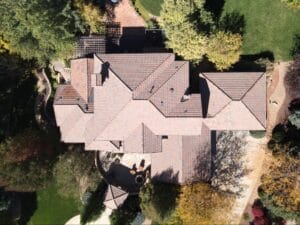
The best roofing material for your Colorado home will depend on where you live, what you value most (durability, appearance, cost), and how long you plan to stay. With the state’s extreme weather patterns, investing in the right material can save you money and stress down the line.
Get Expert Advice
Not sure which roofing material is right for your home? Roof Source offers free consultations to help you weigh your options.
Published on
January 14, 2026
There are no blocks availables